

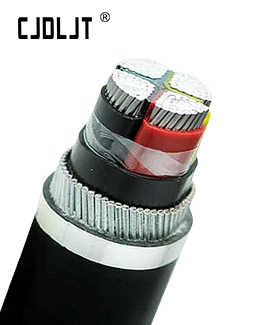
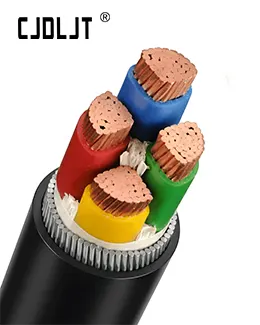
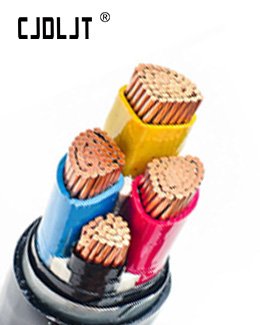
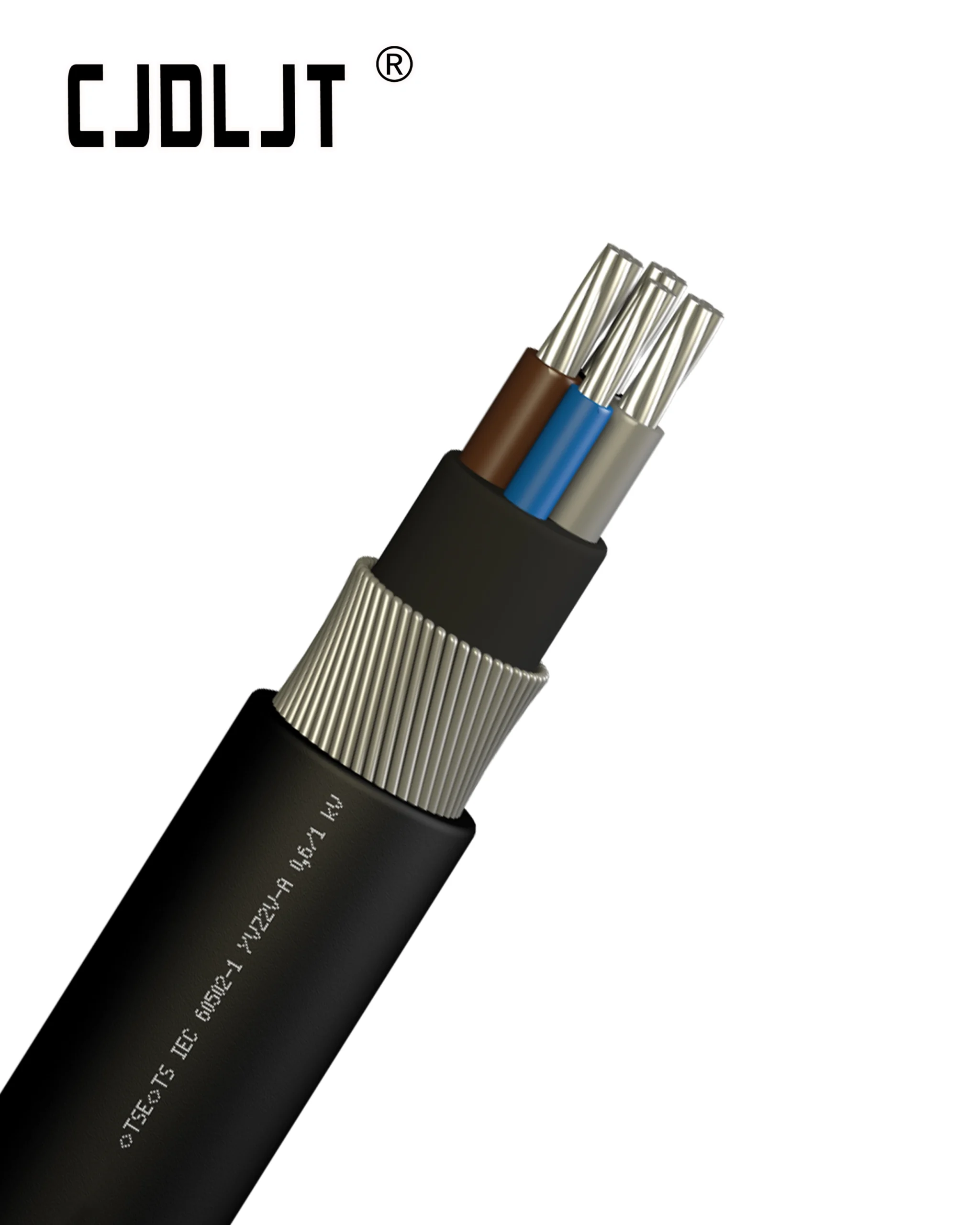

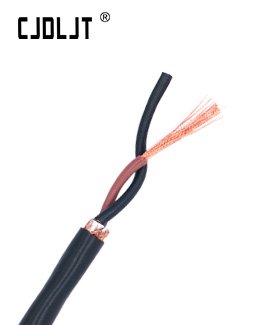

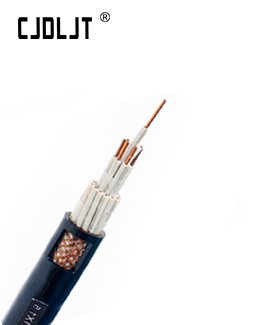
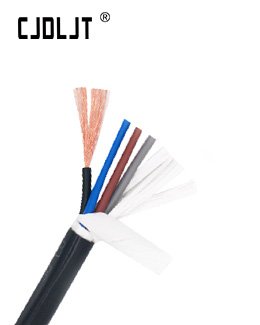
The four fundamental types are Power Cables, Control Cables, Data/Communication Cables, and Specialty/Industrial Cables (including coaxial, fiber optic, and high-temperature or armored variants). Each category serves a distinct purpose, with specific performance requirements such as voltage handling, signal integrity, bandwidth, and environmental resistance.
Power Cables are designed to carry electrical power from sources to equipment, often in large volumes and harsh environments. Control Cables transmit low-level control signals to coordinate machinery, requiring excellent EMI resistance and precise timing. Data/Communication Cables handle data transmission and networking, prioritizing high bandwidth, low latency, and robust shielding. Specialty/Industrial Cables cover niche needs like high-temperature service, armored protection, or explosion-risk areas, where standard cables may not suffice. Across these categories, material quality, manufacturing consistency, and traceability influence reliability, maintenance costs, and system uptime.

Key Characteristics by Category:
- Conductors and insulation: material quality, temperature ratings, and flame resistance
- Shielding and jackets: EMI protection, environmental durability, and chemical resistance
- Flexibility and installation: bend radius, tensile strength, and termination compatibility
- Certification and traceability: third-party tests, batch records, and documentation
- Environment and applications: indoor vs. outdoor, exposures to chemicals, heat, or UV