

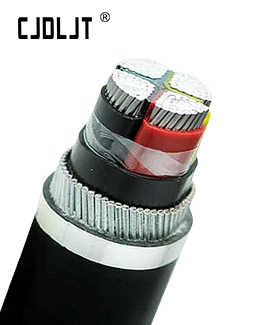
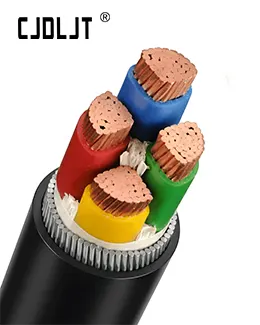
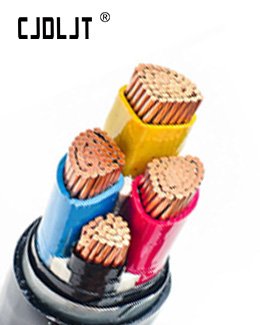
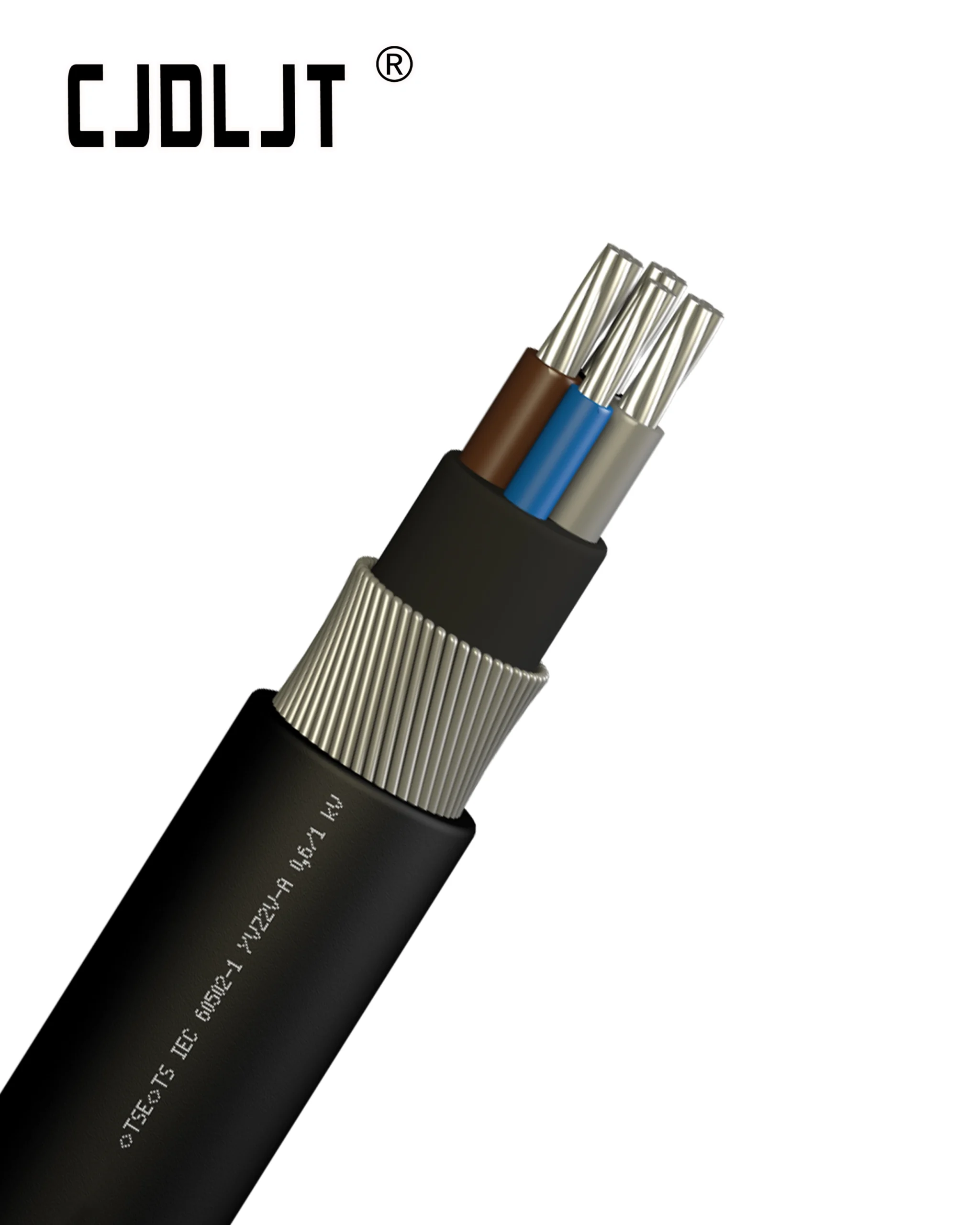

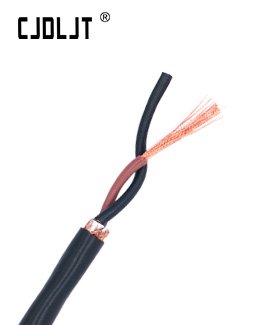

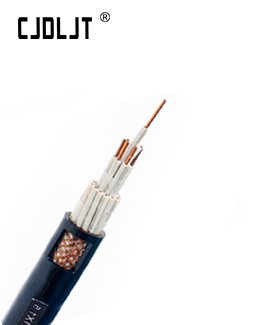
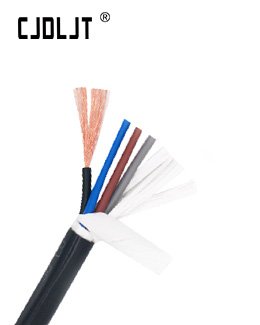
Armored cable is designed to protect electrical conductors from physical damage, moisture, and dust in harsh environments. It provides enhanced durability, better abrasion resistance, and improved safety for installations in industrial facilities, outdoor locations, and areas with high mechanical stress.
Armored cable combines a protective metal layer with a conventional insulated conductor core. The metal armor—usually steel or aluminum—serves as a physical shield against impact, crushing, and rodent intrusion, while the inner insulation and jacket maintain electrical integrity and environmental resistance. This combination enables reliable operation in challenging settings, from factory floors to outdoor enclosures, and supports compliance with safety codes. Depending on the jacket and armor chosen, these cables can also withstand exposure to oils, chemicals, and wide temperature ranges.
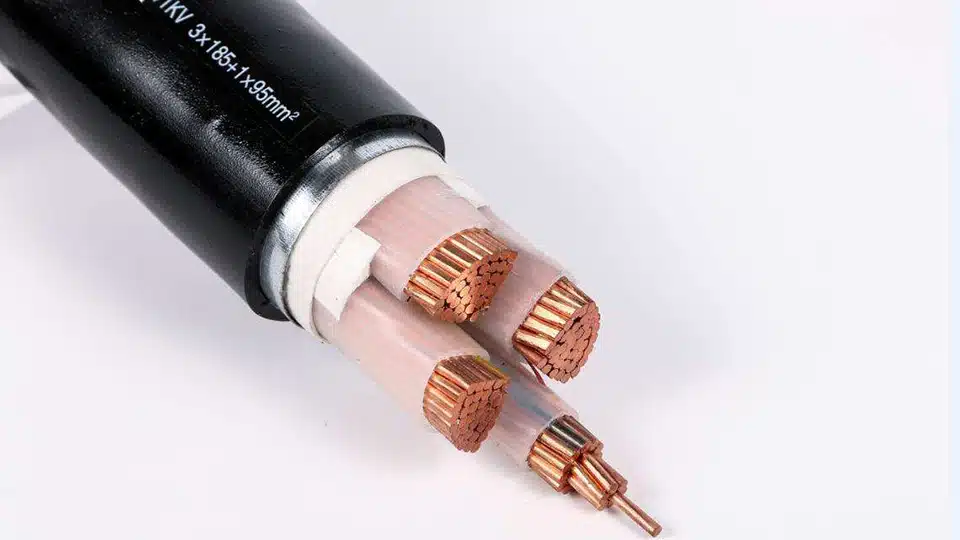
Key Characteristics and Selection Factors:
- Armor material: steel for maximum protection vs. aluminum for lighter weight and easier handling
- Core construction: conductor material, insulation type, and insulation thickness
- Jacket protection: environmental resistance to oil, chemicals, UV, and abrasion
- Environment and installation: indoor, outdoor, direct burial, vibration, and exposure to moisture
- Standards and documentation: certifications, test reports, and batch traceability
- Termination and fittings: compatible connectors and suitable mounting methods