

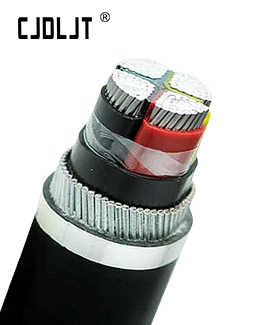
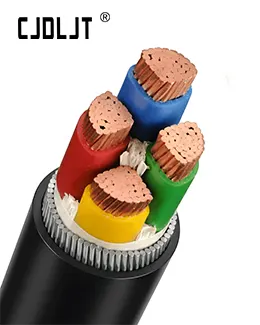
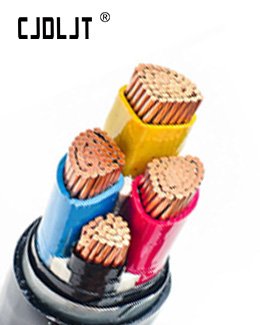
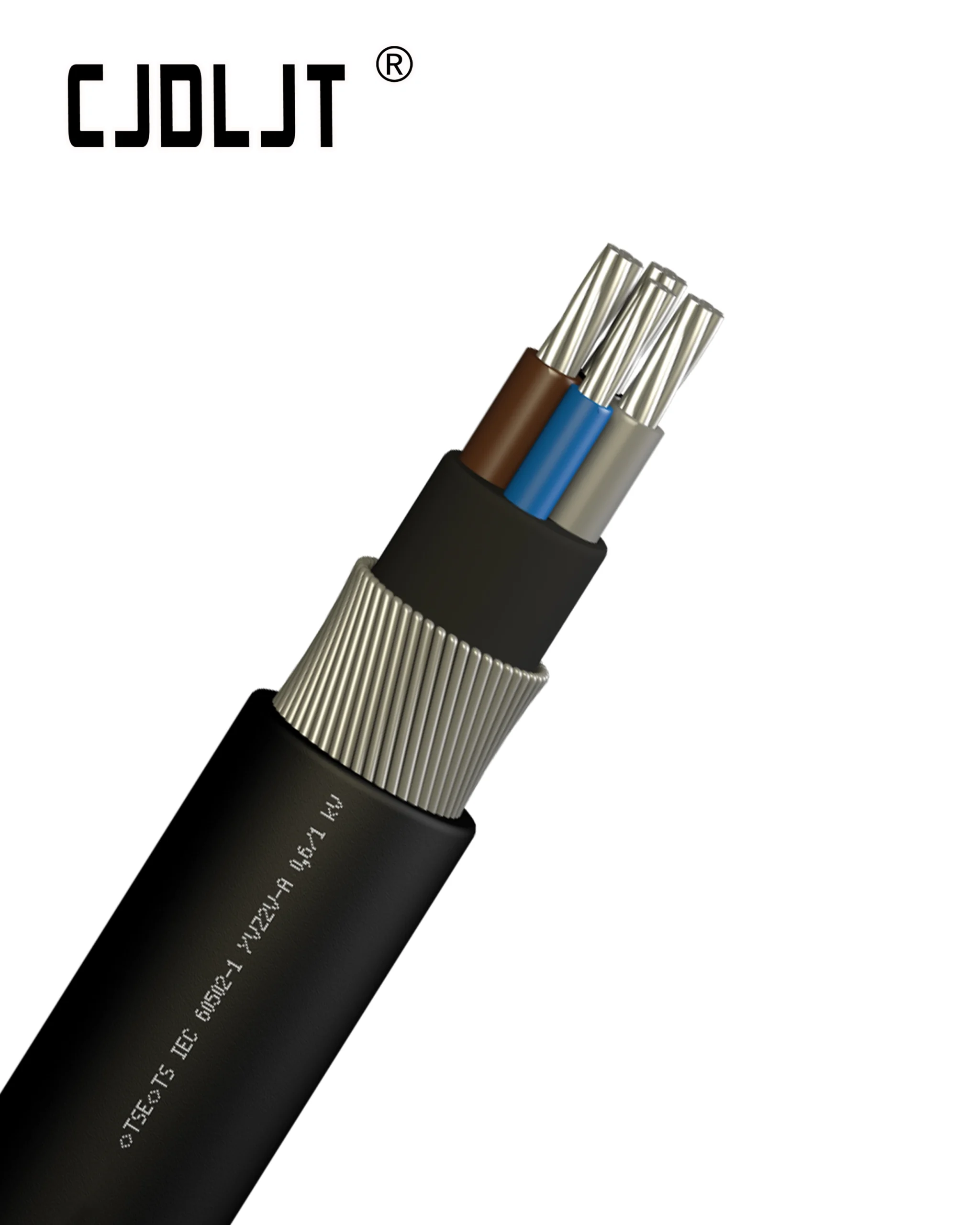

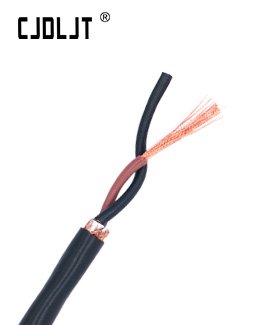

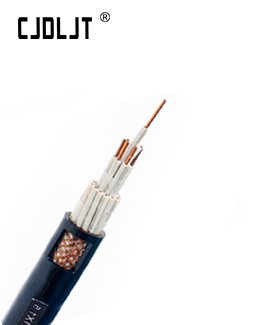
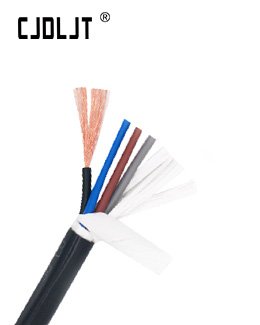
Armored cable has a protective metal layer around the insulated conductor core, typically steel or aluminum, to resist mechanical damage, moisture, and dust. Normal cable relies on insulation and jacket alone and is lighter, more flexible, and generally less expensive but offers less protection in harsh environments.
The armor adds rugged durability for environments with impact, abrasion, or outdoor exposure. Inside, the cable still comprises conductors, insulation, shielding, and jacket, but the armor serves as a physical shield while maintaining electrical integrity. Depending on the application, armor with a weatherproof jacket can meet higher environmental demands, while non-armored cables excel in clean, controlled settings where flexibility and ease of installation matter more.
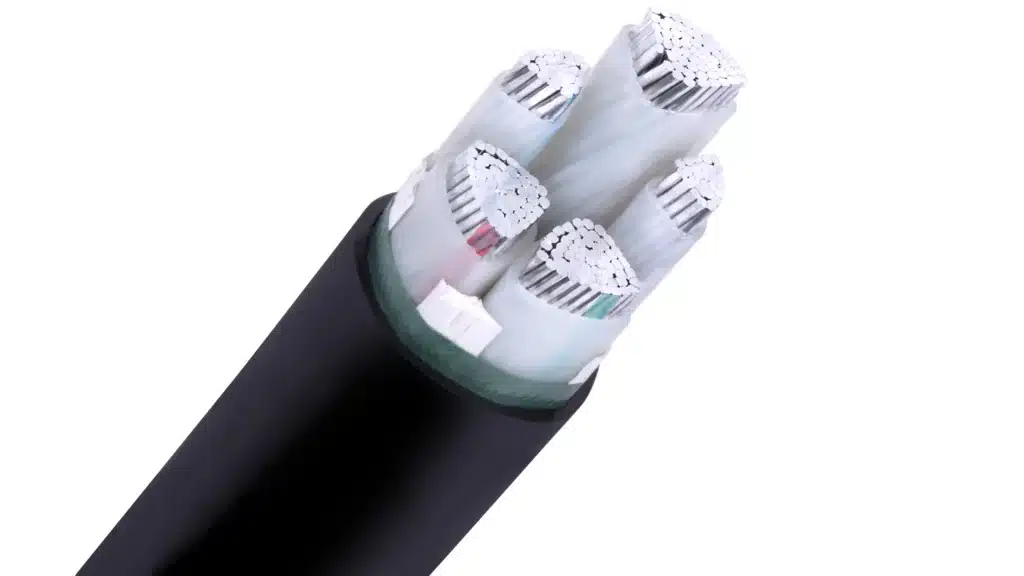
Key Differences in Design and Performance:
- Protection level: Armor provides mechanical protection against impact and crushing; non-armored relies on jacket protection
- Weight and flexibility: Armored cables are heavier and stiffer, affecting routing and installation
- Environmental suitability: Armored variants are favored for outdoor, dusty, oily, or high-abrasion environments
- Termination and installation: Armor may require different glands, connectors, and crimping/assembly methods
- Cost and maintenance: Higher upfront cost but often longer service life and reduced maintenance in demanding settings