

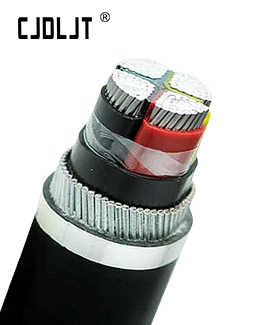
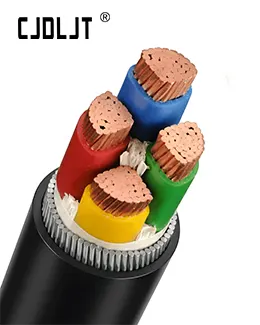
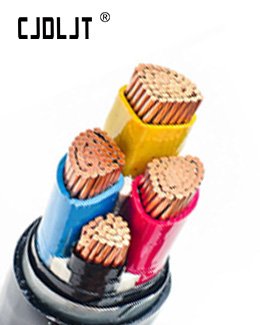
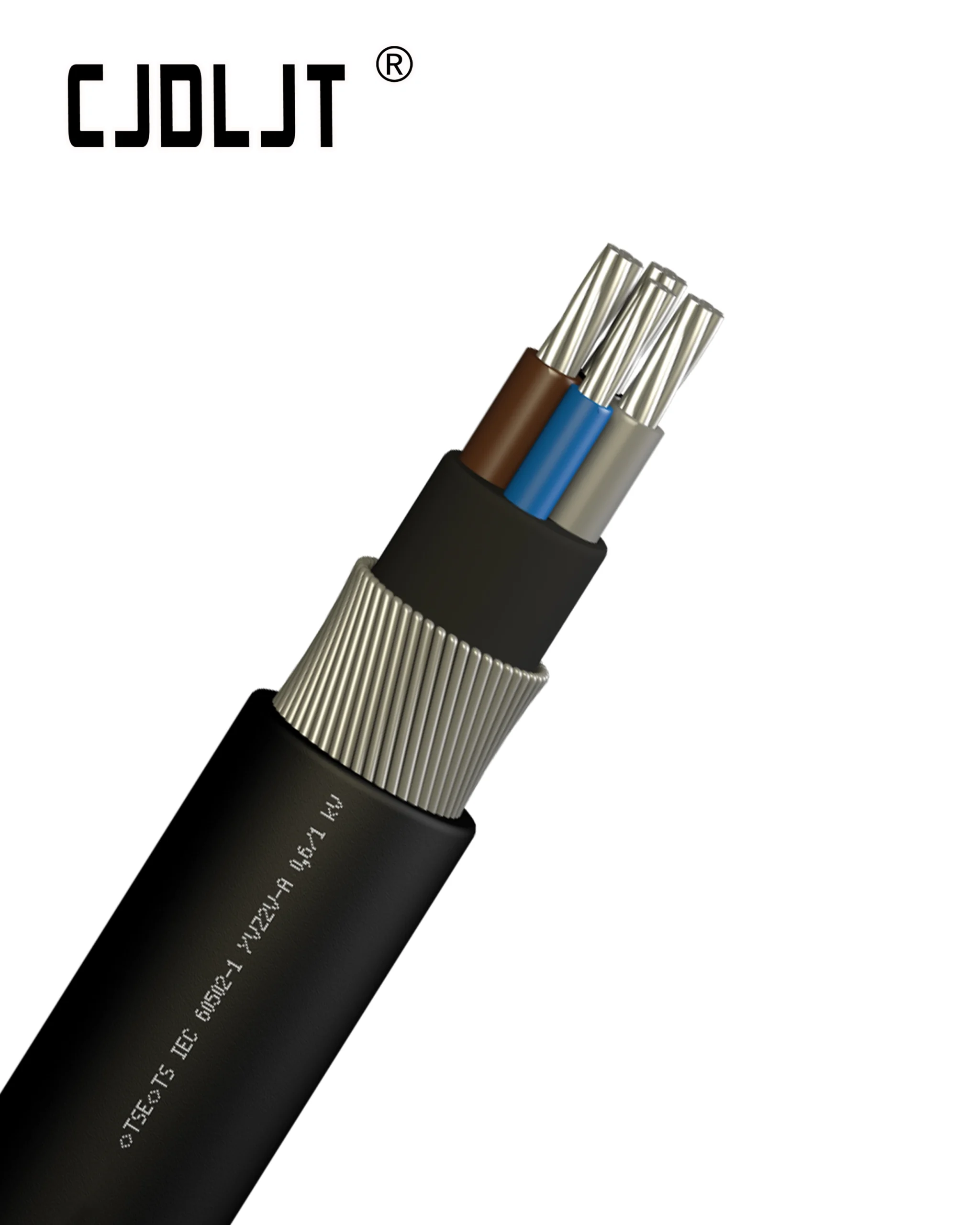

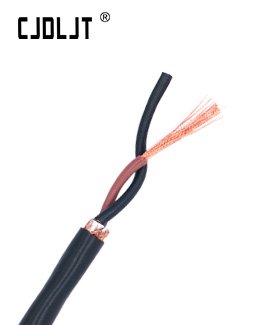

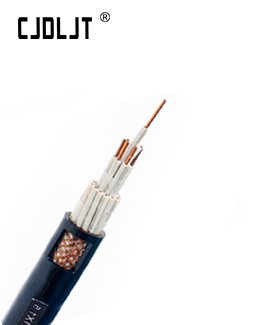
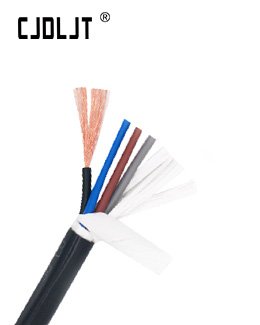
Overhead cables are electrical or communications conductors that are mounted above ground, usually on poles or towers. They’re used for distribution and transmission of power, as well as aerial communications, where underground routes are impractical or too costly. These cables are designed to withstand weather, wind, and temperature variations, often featuring weatherproof jackets and, in some cases, protective armor or shielding.
Overhead cables must balance mechanical durability with ease of installation and maintenance. They encounter UV exposure, rain, snow, bird interference, and thermal cycling, all of which influence material choice and construction. In power networks, they range from low- to high-voltage lines with varying conductor materials (e.g., aluminum, steel-reinforced or copper) and insulation types. In communications, aerial fibers or shielded copper cables may be mounted in bundles to optimize signal integrity and reliability. The design emphasis is on reliability, safety, and long-term performance with scalable maintenance options.
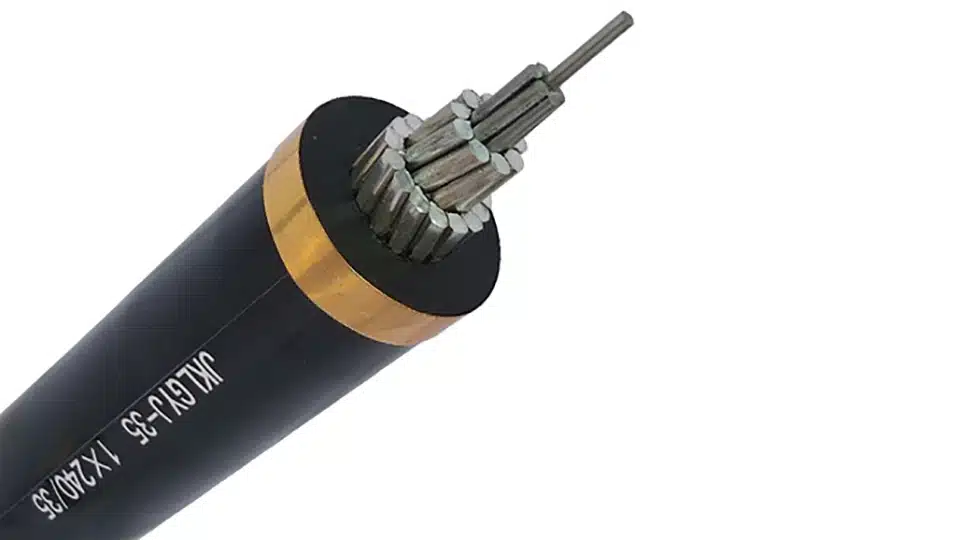
Key Design and Applications:
- Power distribution vs. communications: different conductor materials, insulation, and shielding needs
- Conductor and insulation: voltage rating, current capacity, thermal performance
- Weather and environment: UV resistance, moisture barriers, wind loading, ice/snow endurance
- Installation hardware: poles, insulators, spacers, aerial clamps, and protective housings
- Standards and traceability: third-party tests, certifications, and batch documentation