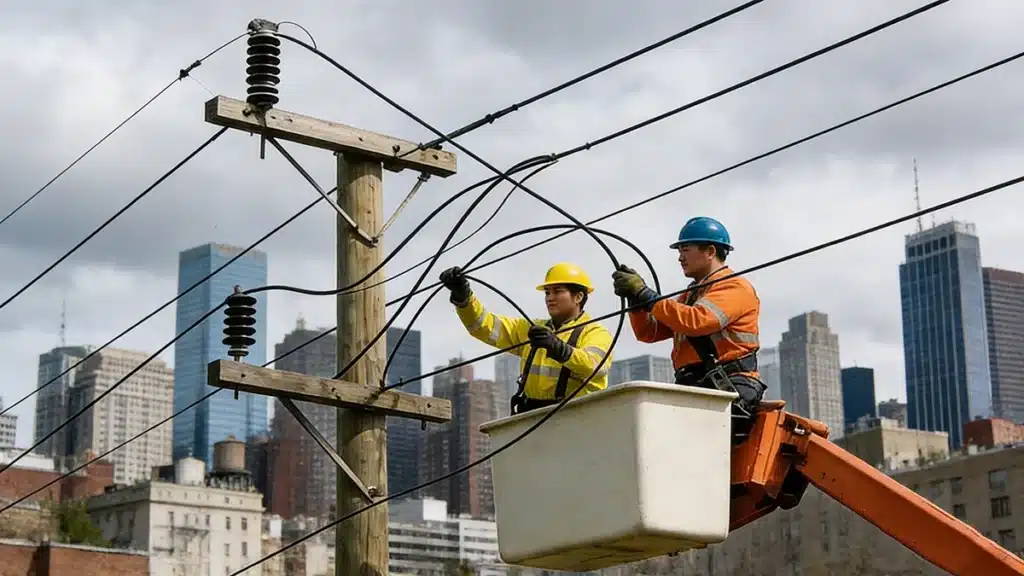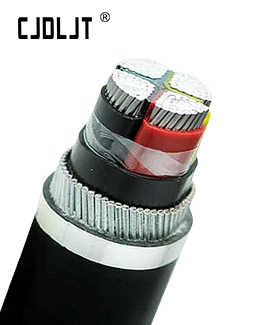
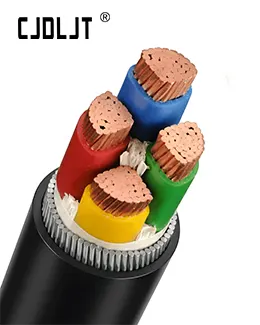
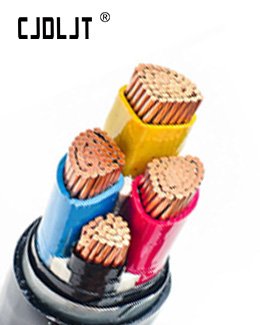
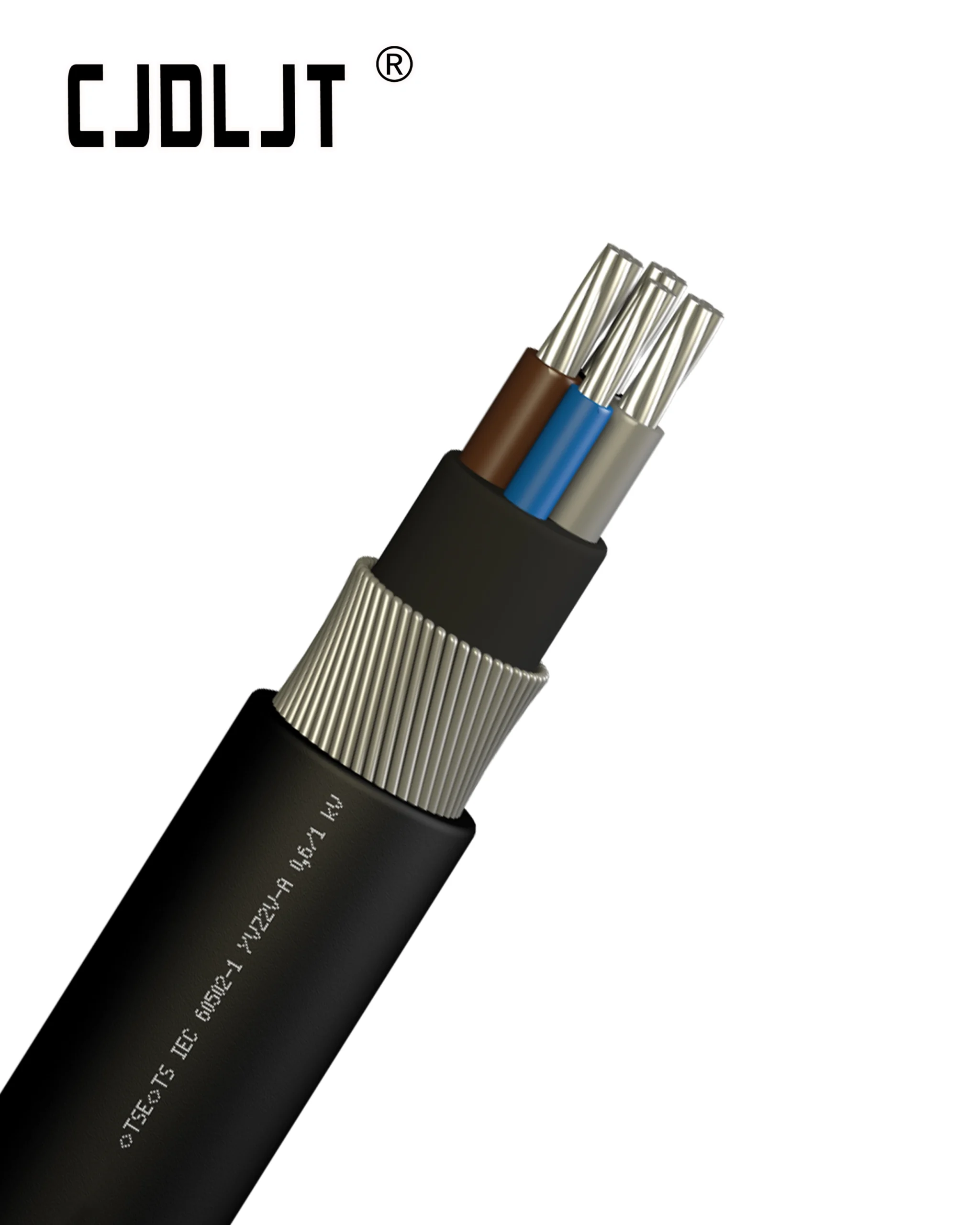

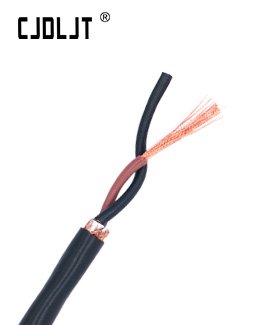


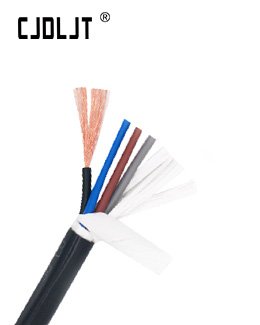
An overhead power cable system is a network of electrical conductors mounted above ground on poles or towers to transmit and distribute electrical power. It typically includes conductors (usually aluminum alloys or copper), insulators, supporting structures (poles, towers, crossarms), line hardware (clamps, spacers, guy wires), protection (weatherproof jackets on insulated lines or armor in rugged setups), and optional fiber optic communication lines or sensors for monitoring and control.
Overhead systems balance capacity, reliability, and ease of maintenance. They must withstand weather, wind, ice, and temperature changes while keeping transmission losses to a minimum. Depending on the application, lines may be bare conductors or insulated cables, sometimes bundled to increase capacity. Design choices are guided by voltage levels, environmental conditions, and jurisdictional codes, with a focus on safety, accessibility for maintenance, and compatibility with existing substations and distribution networks.
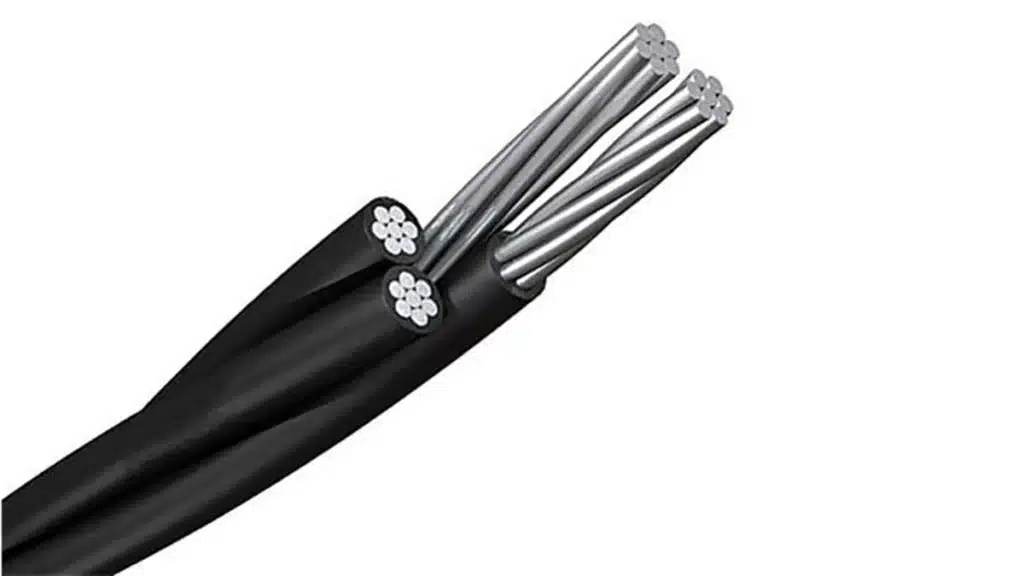
Key Components and Functions:
- Conductors: material choice (aluminum for weight and cost, copper for conductivity) and sizing for current.
- Insulators and hardware: keep conductors safely clear of supporting structures and prevent arcing.
- Supporting structures: poles, towers, crossarms, spacers, and anchors that bear mechanical loads.
- Protection and shielding: jackets or armor for weatherproofing and mechanical protection; shielding may be used to reduce interference in some configurations.
- Monitoring and communications: optional fiber optics or sensors for SCADA and reliability analytics.
- Termination and accessibility: connection points, terminations, and inspection access for safe operation.
Design and Installation Considerations:
- Environment: climate, wind, ice, salt spray, and corrosion potential affect material choice and coatings.
- Electrical design: voltage levels, current, conductor sizing, and loss minimization.
- Mechanical design: sag, tension, vibration, and damping to maintain clearance and reliability.
- Installation practices: right-of-way planning, pole/tower spacing, guying systems, and safe clearances.
- Maintenance and safety: regular inspections, vegetation management, and corrosion control.
- Compliance: adherence to standards (IEEE, IEC, NEC), documentation, and batch traceability.