

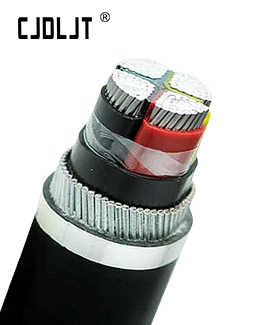
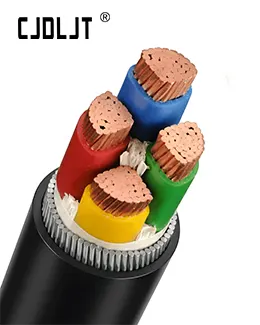
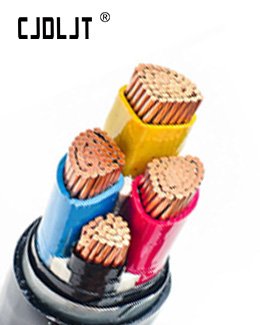
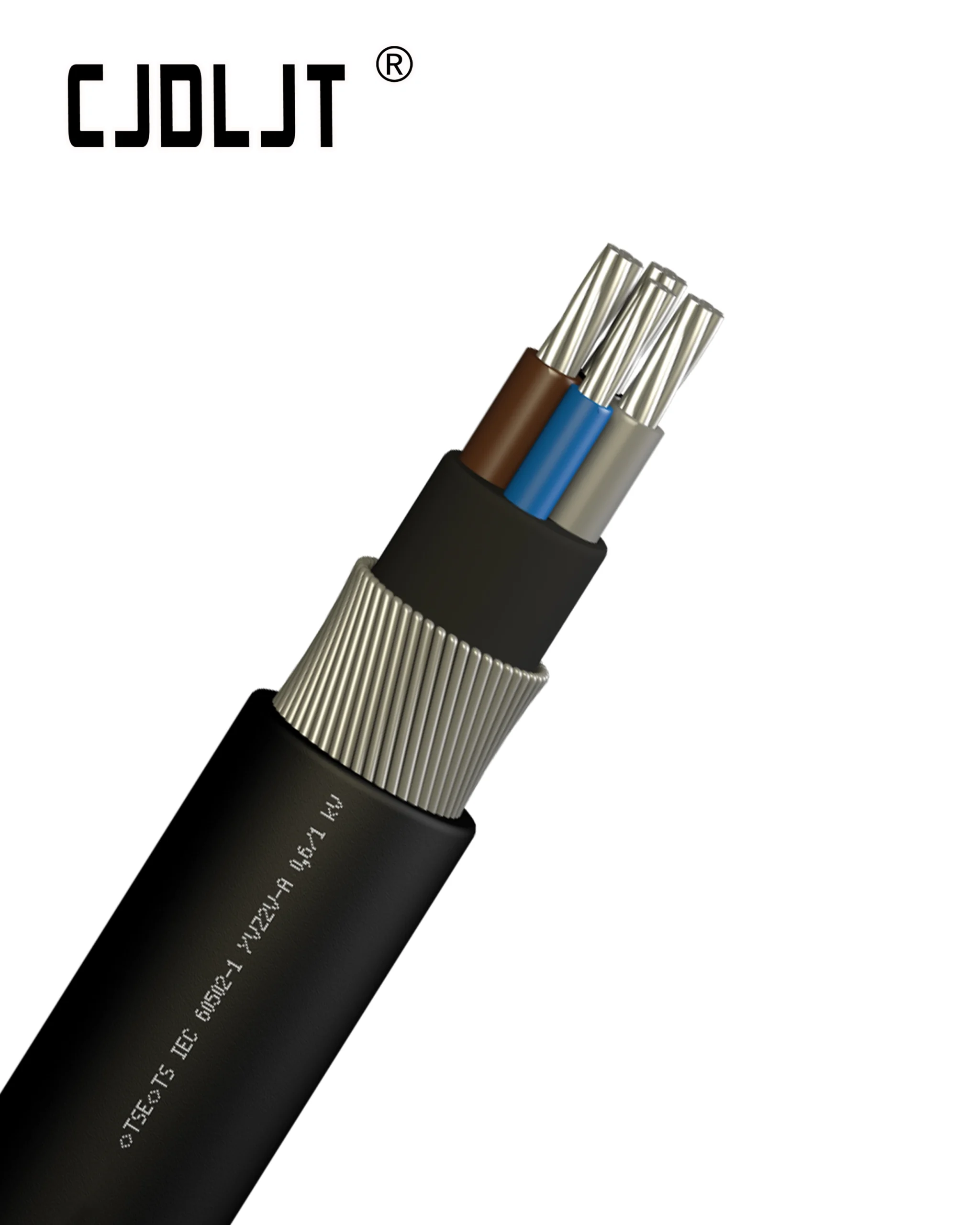


The main types include bare overhead conductors (like ACSR, AAC, AAAC) for power transmission, insulated overhead cables (XLPE or EPR insulated with weatherproof jackets), aerial bundled cables (ABC) for compact urban networks, self-supporting aerial cables (SAC) for installation without separate messenger wires, and overhead fiber optic cables for communications. Each type offers different levels of protection, installation ease, and suitability for specific environments and voltage levels.
Bare conductors are the traditional choice for high-capacity power lines, prioritizing cost and electrical performance but offering little built-in protection. Insulated overhead cables add weatherproof jackets to resist moisture, UV, and temperature swings, enhancing safety in exposed areas. ABC bundles multiple insulated conductors in a single outer jacket, reducing clutter and corona losses in dense urban settings. SAC cables combine conductor and support into a single, self-supporting unit, simplifying installation on poles. Overhead fiber optic cables enable high-speed communications directly from poles to networks, often alongside power lines. When selecting type, consider voltage, mechanical loads, climate, installation logistics, and required maintenance.
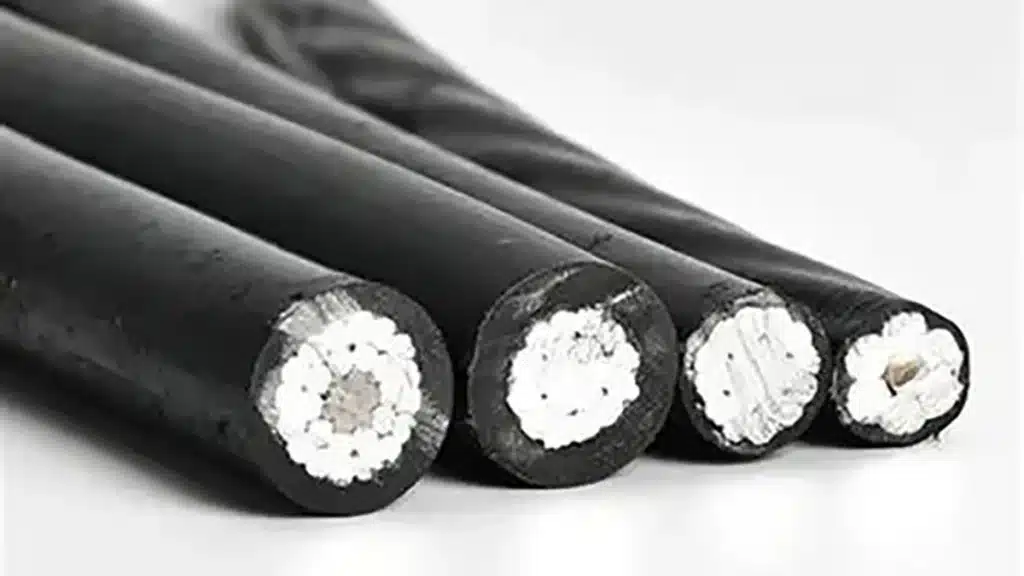
Types of Overhead Cables
- Bare Conductors: ACSR, AAC, AAAC — for cost-effective, high-capacity power transmission.
- Insulated Overhead Cables: XLPE/EPR insulation with weatherproof jackets for outdoor reliability.
- Aerial Bundled Cables (ABC): multiple insulated conductors in one jacket for compact urban networks.
- Self-Supporting Aerial Cables (SAC/SIC): no separate messenger needed, quicker pole mounting.
- Overhead Fiber Optic Cables: for data, signaling, and monitoring alongside power lines.