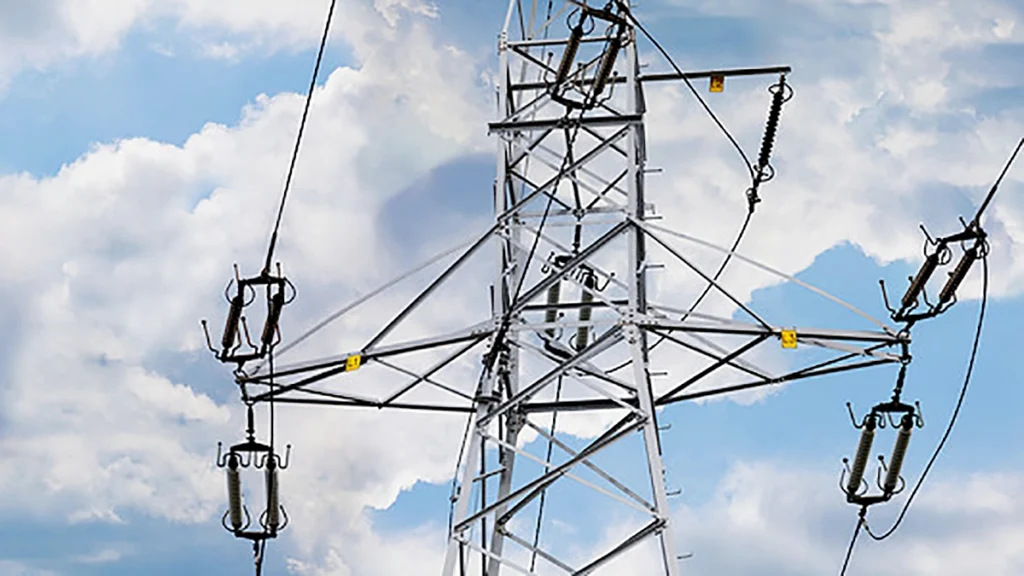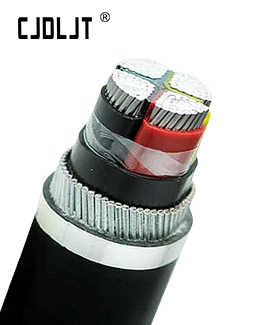
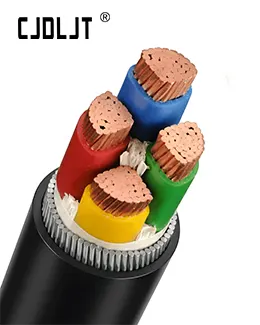
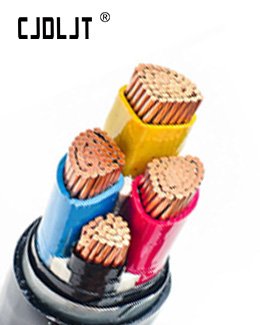
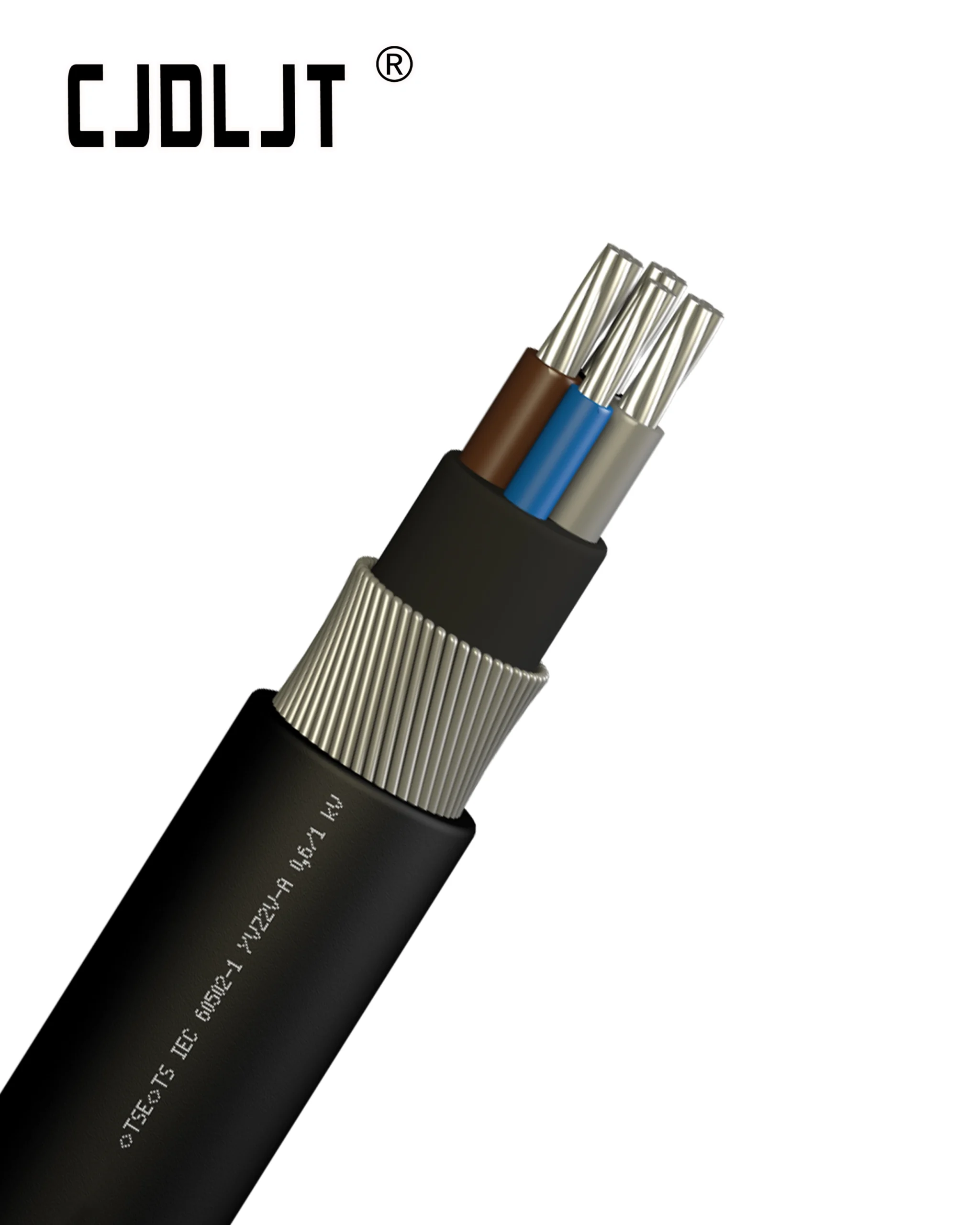


Common issues include weather-induced insulation degradation, corrosion of metal components, mechanical damage from impacts or abrasion, sag and clearance problems, and faulty terminations or splices. Environmental conditions, improper installation, and aging hardware often drive these failures, leading to outages and higher maintenance.
Overhead cables face a range of stressors: UV exposure, temperature fluctuations, moisture ingress, and wind-driven movement. When jackets and insulation degrade, moisture can penetrate, reducing insulation resistance and increasing the risk of faults. Corrosion affects armor, clamps, and connectors, compromising strength and electrical continuity. Mechanical damage from animals, falling debris, or traffic can crack or abrade conductors. Sagging or excessive tension can reduce clearance, risking contact with objects or vegetation. Proper installation, regular inspection, and quality components are essential to mitigate these risks.
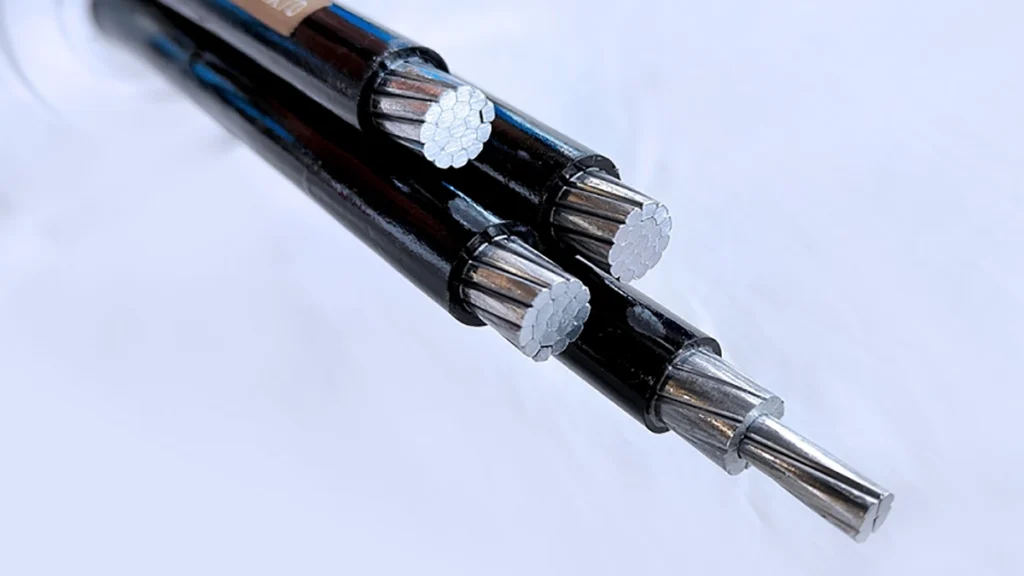
Common Electrical and Mechanical Challenges:
- Insulation and jacket degradation from UV, moisture, and temperature cycling
- Armor, clamps, and connectors corrosion or mechanical wear
- Sag, tension, and vibration leading to clearance issues or fatigue
- Splice and termination faults causing poor electrical continuity
- Shielding or conductor damage from impacts or abrasion
- Environmental contamination (dust, oil, chemicals) affecting insulation performance
Environmental and Installation Challenges:
- Outdoor exposure: weather, wind, ice, and UV aging
- Moisture and salt spray in coastal or humid environments
- Installation logistics: improper pole spacing, routing, and tensioning
- Direct burial vs. aerial routes and exposure to soil moisture or contaminants
- Access for maintenance and fault localization
- Compliance with standards and thorough documentation for safety and traceability