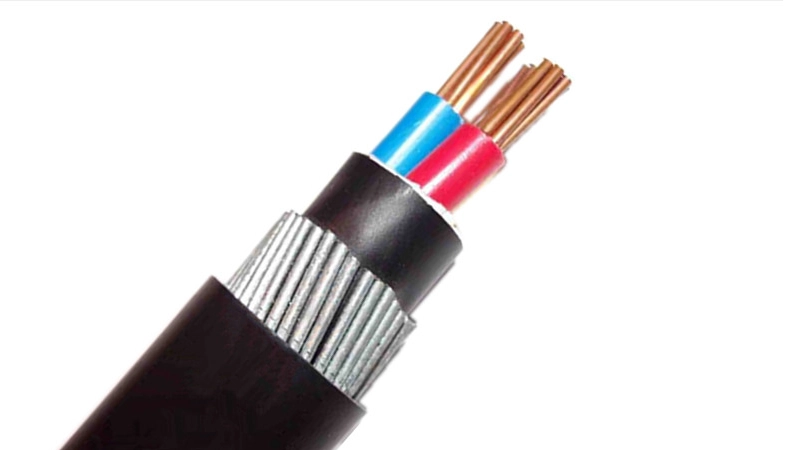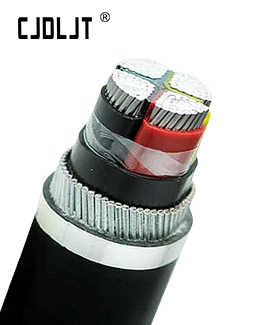
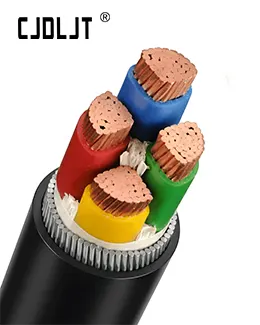
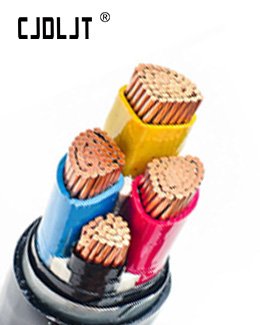
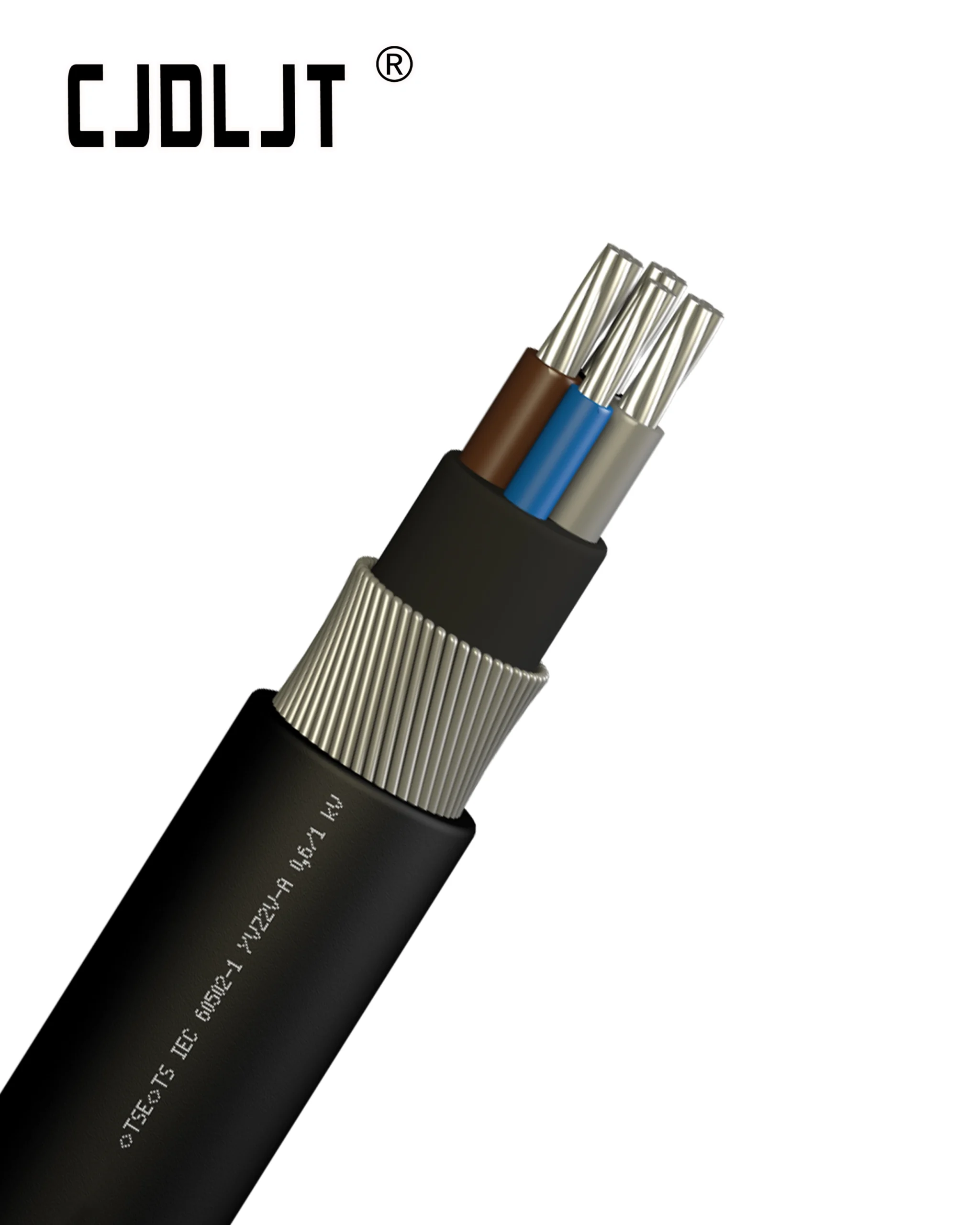


The strength of armored cables comes from the protective metal layer around the insulated conductor core. Different armor types provide varying levels of mechanical protection, weight, and flexibility, influencing where and how they’re used. The main armor families are Steel Wire Armor (SWA), Steel Tape Armor (STA), Aluminum Wire Armor (AWA), and Aluminum Tape Armor (ATA).
Armored cables combine a metal shield with the standard cable core (conductors, insulation, shielding, jacket). The metal armor resists crushing, impact, and abrasion, and can also deter rodent intrusion in some environments. While armor increases durability, it also adds weight and reduces flexibility, which can affect installation and bend requirements. Selecting the right armor requires balancing protection with installation practicality, cost, and termination compatibility.
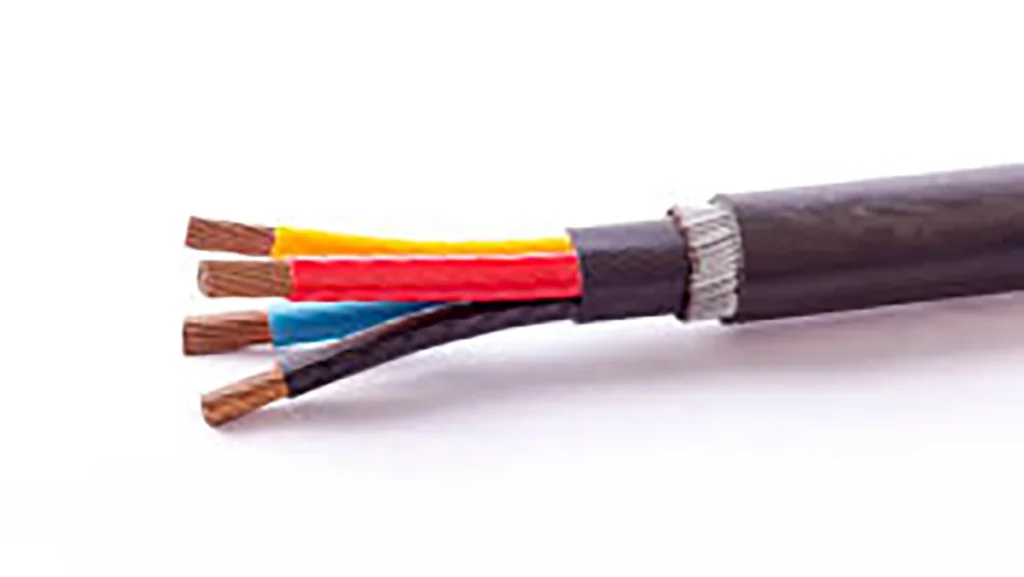
Armor Types and Their Strength Benefits:
- Steel Wire Armor (SWA): Maximum crush and impact resistance; ideal for underground routes, heavy machinery, and harsh industrial settings.
- Steel Tape Armor (STA): Very strong protection with lighter weight and greater flexibility than SWA; good for installations with tighter bends.
- Aluminum Wire Armor (AWA): Lighter weight and good corrosion resistance; suitable for outdoor or damp environments where weight is a concern.
- Aluminum Tape Armor (ATA): Moderate protection with lighter weight and easier handling; often used in urban or interior installations where ease of installation matters.
Choosing the Right Armor for Your Application:
- Environment: indoor vs outdoor, exposure to moisture, oils, chemicals, or salt spray
- Mechanical demands: impact risk, abrasion, vibration, and installation routing
- Electrical needs: voltage rating, current, conductor size, and shielding requirements
- Temperature and chemicals: armor and jacket compatibility with service conditions
- Termination and fittings: compatible glands, connectors, and mounting methods
- Documentation: third-party tests, batch traceability, and certifications