

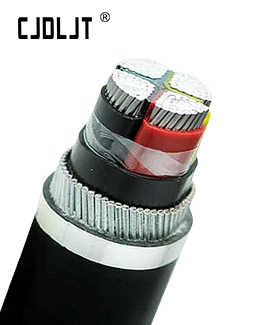
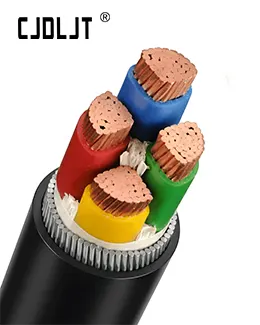
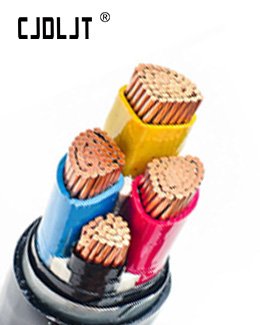
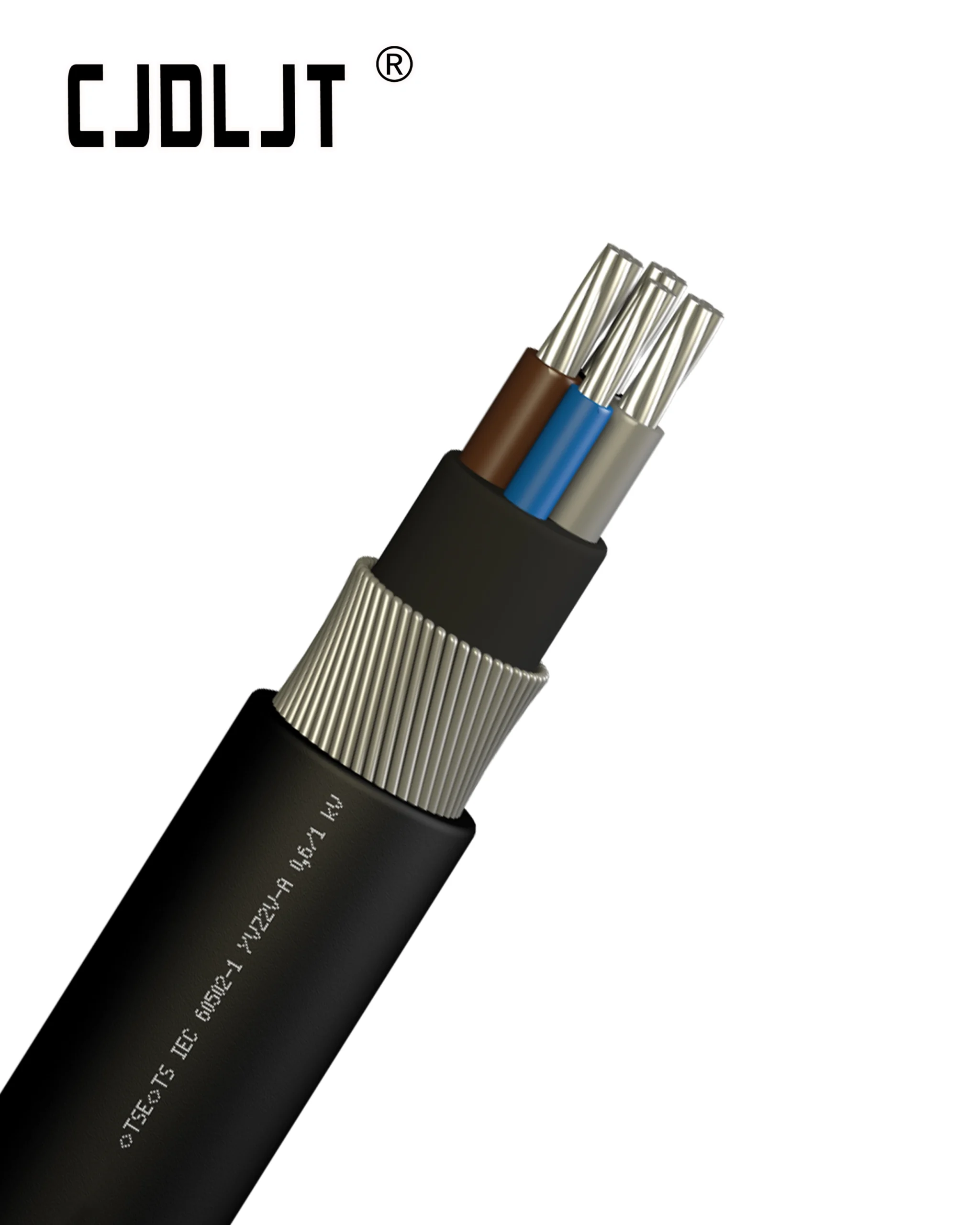

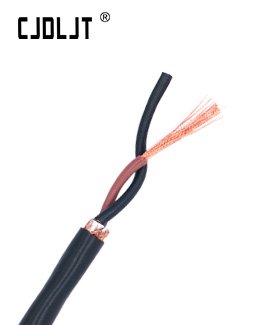

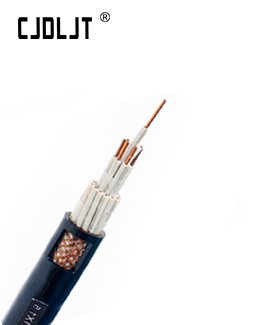
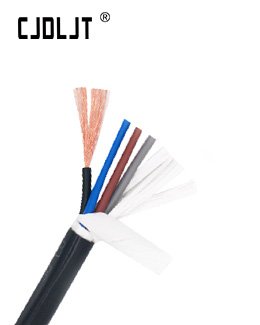
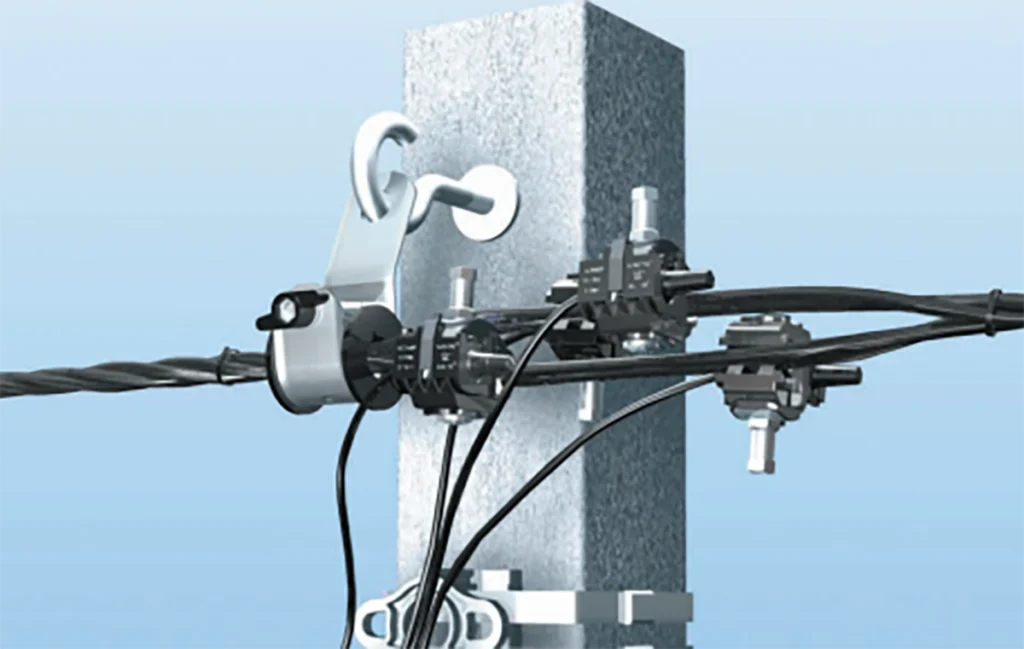
ABC refers to a system that bundles multiple insulated conductors under a single weatherproof jacket for overhead distribution, typically used in urban or constrained environments. XLPE refers to the insulation material (cross-linked polyethylene) used inside many cables, including ABC, to provide high temperature tolerance, excellent dielectric properties, and moisture resistance. In short, ABC describes the conductor arrangement and installation method, while XLPE describes the insulation material. They can be used together (e.g., XLPE-insulated ABC cables) or separately in different cable designs depending on the application.
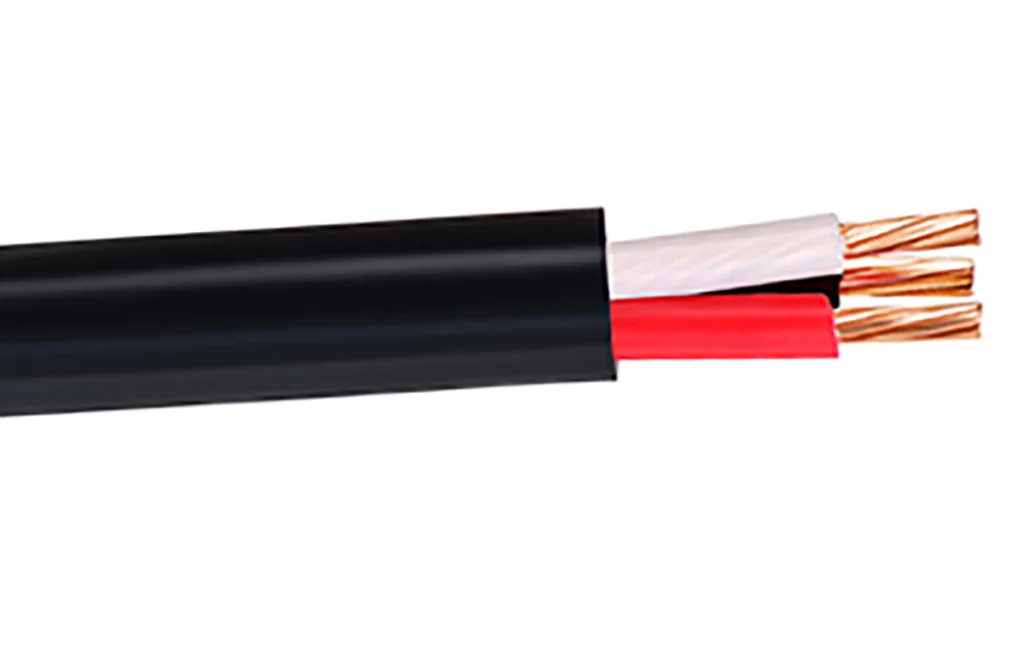
XLPE insulation enhances outdoor performance with superior temperature resistance and moisture resistance, making it common in modern overhead cables. When combined with ABC, the result is a neat, weather-resistant bundle that reduces corona losses at lower voltages and simplifies maintenance in dense urban networks. However, the choice between ABC configurations and XLPE insulation depends on voltage level, environmental exposure, installation constraints, and long-term reliability goals.
Choosing the Right Approach:
- Environment and application: urban distribution, street lighting, or campus networks versus rural long-span lines
- Electrical needs: voltage rating, current, and whether shielding is required
- Installation practicality: space constraints, pole/tole spacing, and ease of maintenance
- Environmental resistance: UV, moisture, chemicals, and abrasion tolerance
- Standards and documentation: third-party tests, certifications, and batch traceability
- Compatibility: terminations, connectors, and the availability of compatible accessories for ABC or traditional XLPE cables