


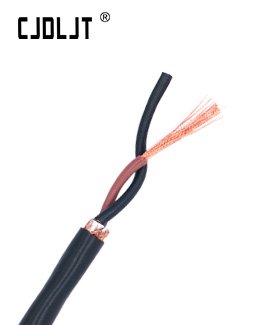

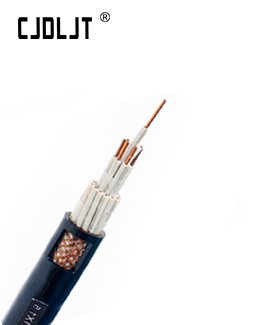
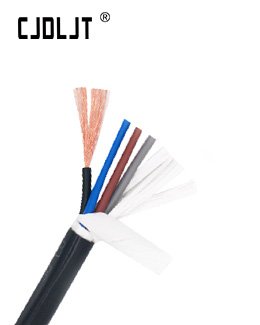
When selecting cables for engineering, construction, or daily wiring projects, copper‑core and aluminum‑core cables are the two most commonly used options. Their fundamental differences, performance characteristics, and application scenarios directly determine the suitability of your choice.
Main Differences and Basic Performance
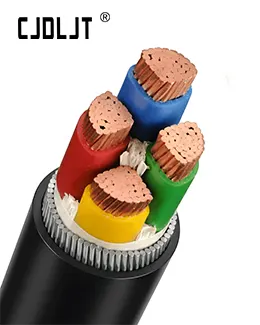
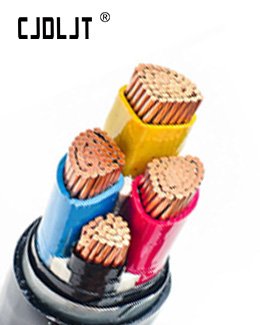
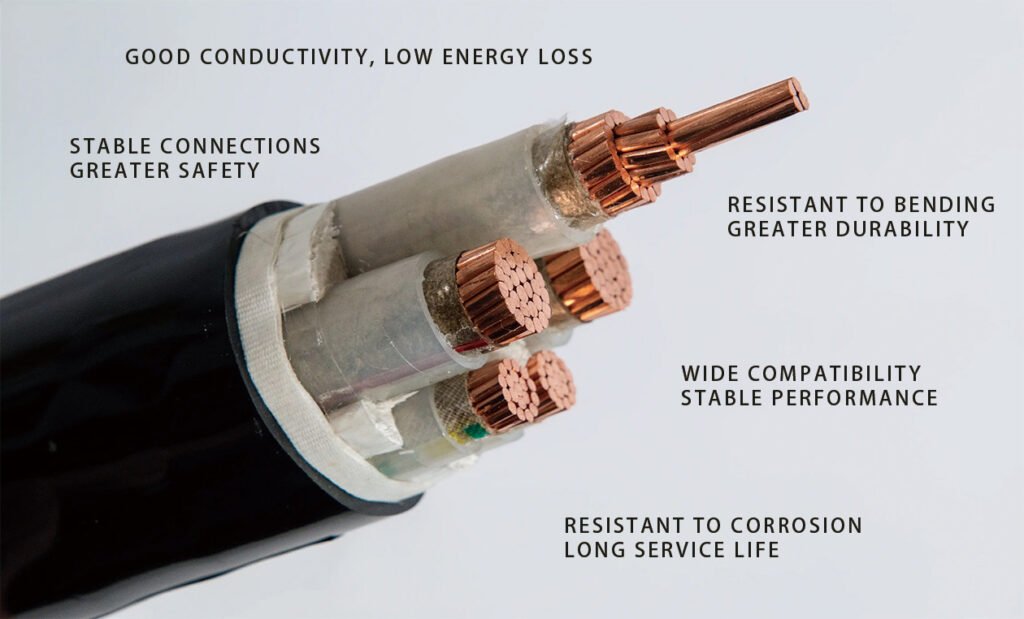
Copper‑core cables feature higher electrical conductivity, better fatigue resistance, and more stable and precise terminal connections. They provide reliable operation under complex working conditions, although they have disadvantages such as greater weight and higher purchase cost.
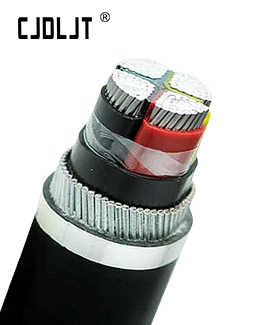
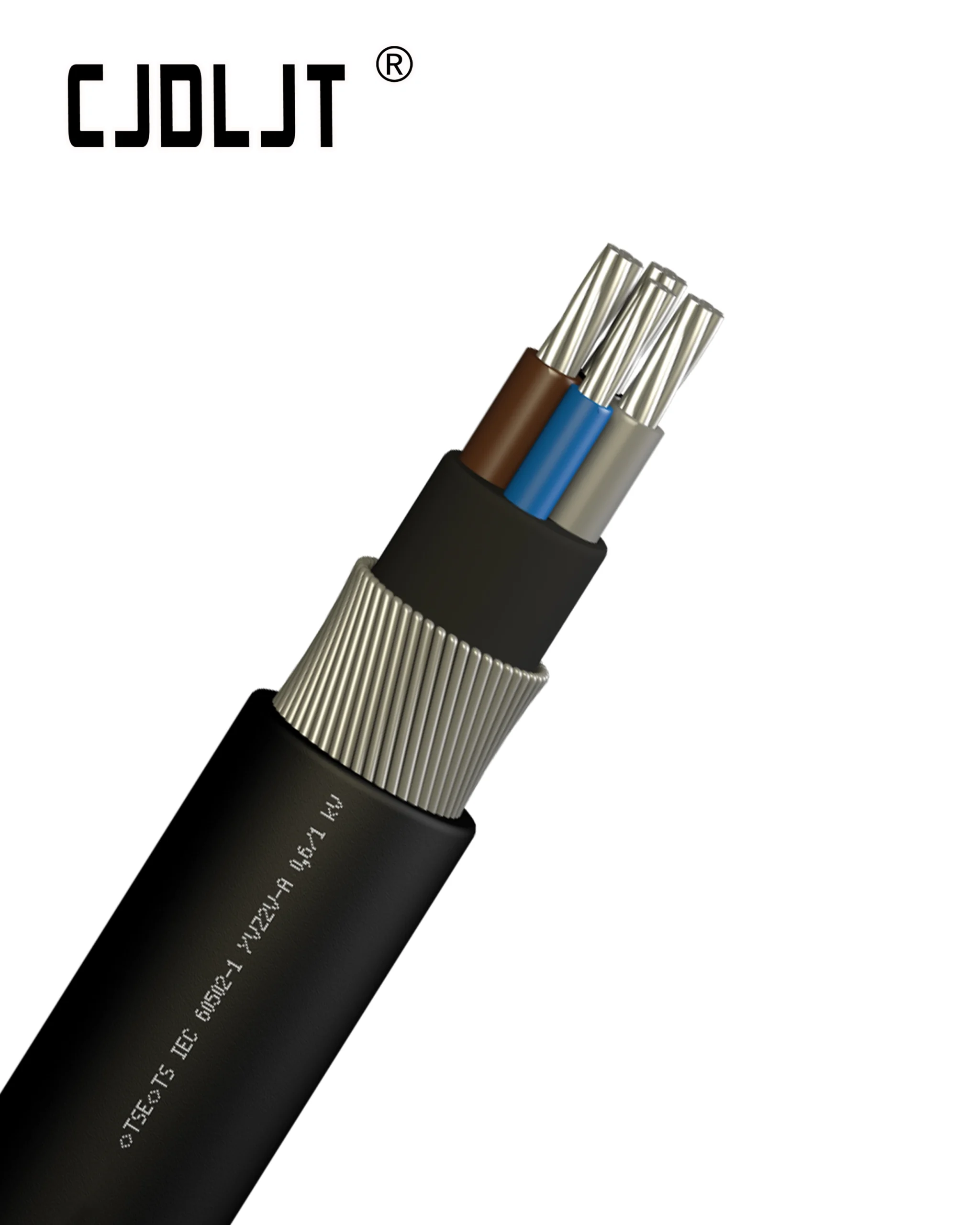
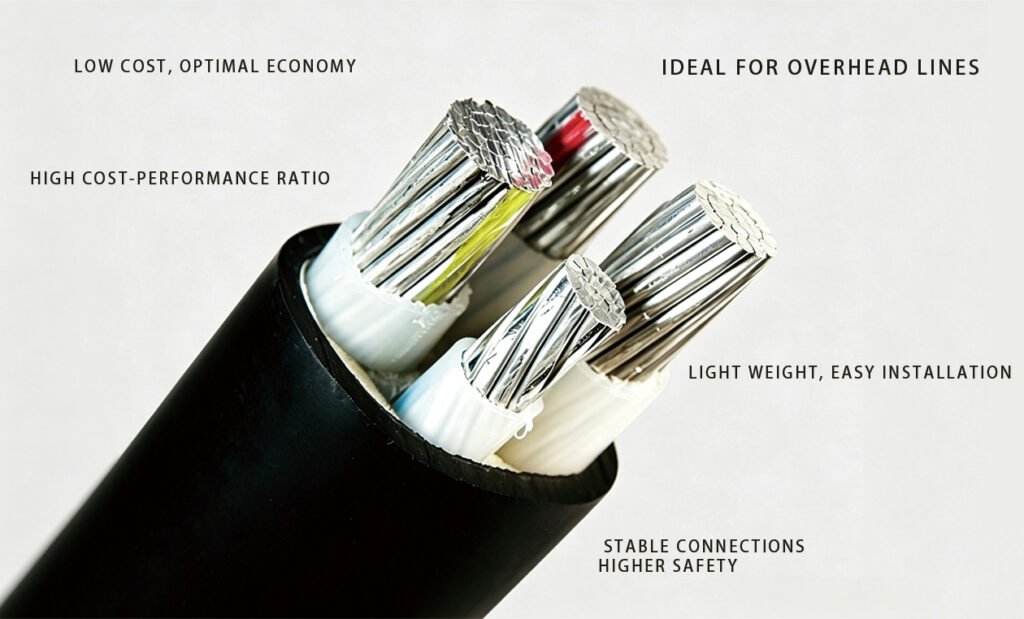
Aluminum‑core cables are lighter, more economical, and easier to install for long‑distance runs. However, they have higher electrical resistivity and a higher thermal expansion coefficient, which require stricter control during installation and maintenance.
The final choice depends on the project’s ampacity requirements, installation environment, long‑term maintenance plans, and total life‑cycle cost.
Detailed performance and application scenarios
Copper cables stand out for their conductivity and durability, performing perfectly under frequent bending or vibration. They are the ideal choice for high-power indoor installations, short-distance wiring, and environments that require high stability.
Aluminum cables (especially AAAC and ACSR alloy models) are more economical and lightweight, making them ideal for long-distance overhead power transmission. It is important to strictly control line sag and voltage drop during installation.
To balance budget and performance, copper-clad aluminum (CCA) cables are an effective alternative: they offer higher conductivity than pure aluminum and are lighter than solid copper. Material selection must be adapted to the voltage level, environmental conditions, installation method, and service life requirements.
Key selection factors
1. Environment and application: indoor installation, direct burial or overhead lines; resistance to moisture, chemicals and salt corrosion
2. Electrical requirements: current capacity, voltage rating, and allowable voltage drop range
3. Mechanical properties: cable weight, flexibility, bending radius, and resistance to vibration
4. Temperature and aging: thermal stability and long‑term operational integrity
5. Terminal connections: compatible connectors, cable lugs, and supplementary protection measures
6. Cost and maintenance: initial investment versus maintenance costs, replacement costs and losses due to downtime
7. Supply and delivery: availability of raw materials and delivery times