

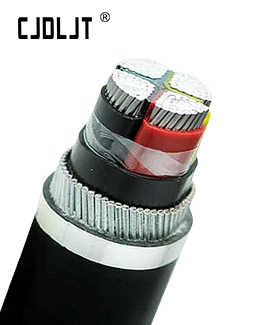
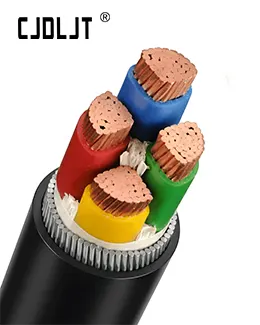
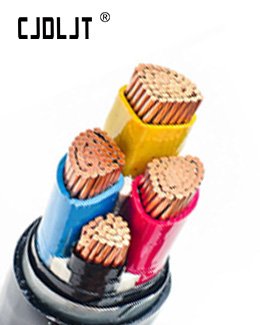
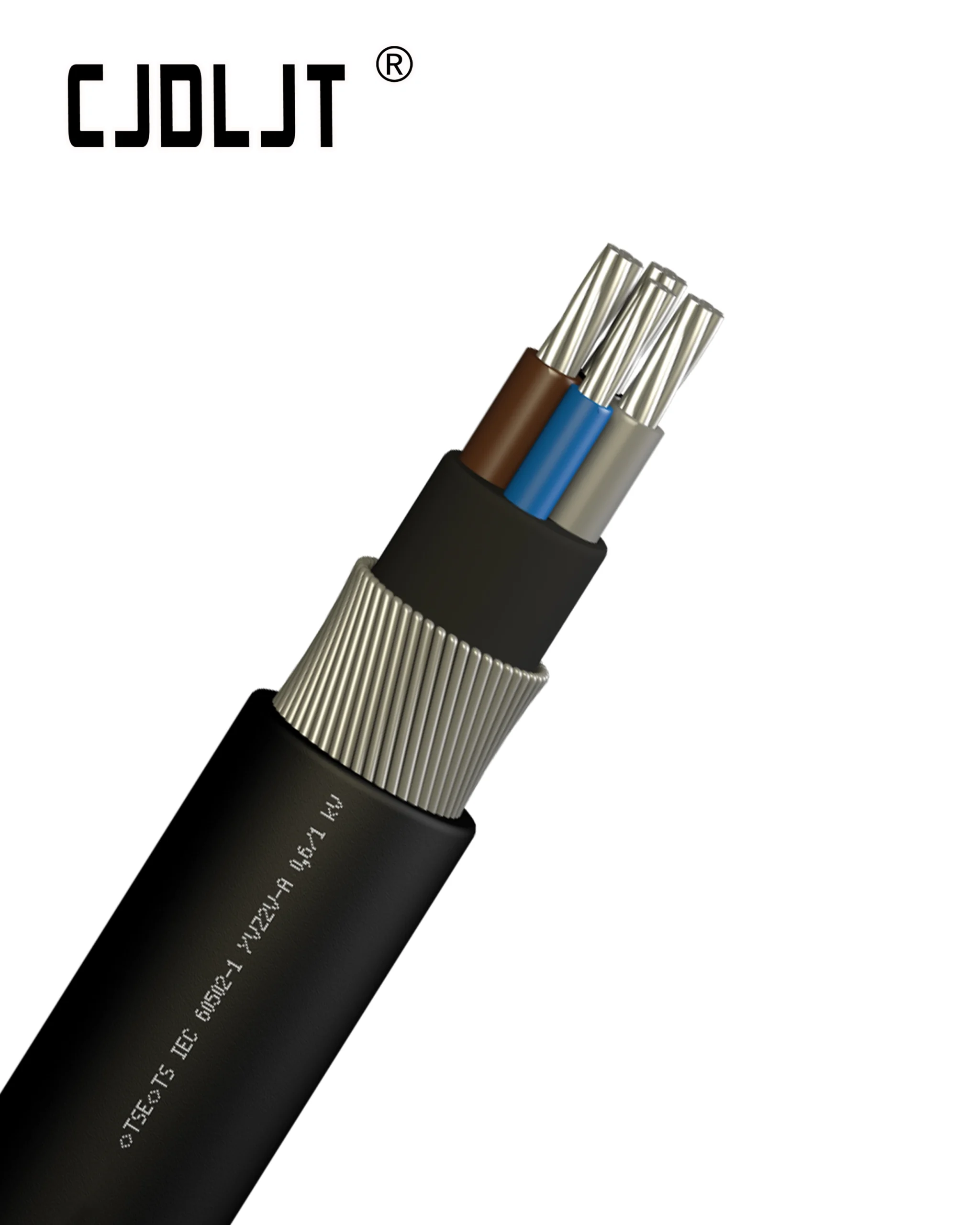


Primary Design Distinctions: Overhead, Power, and Armored Cables
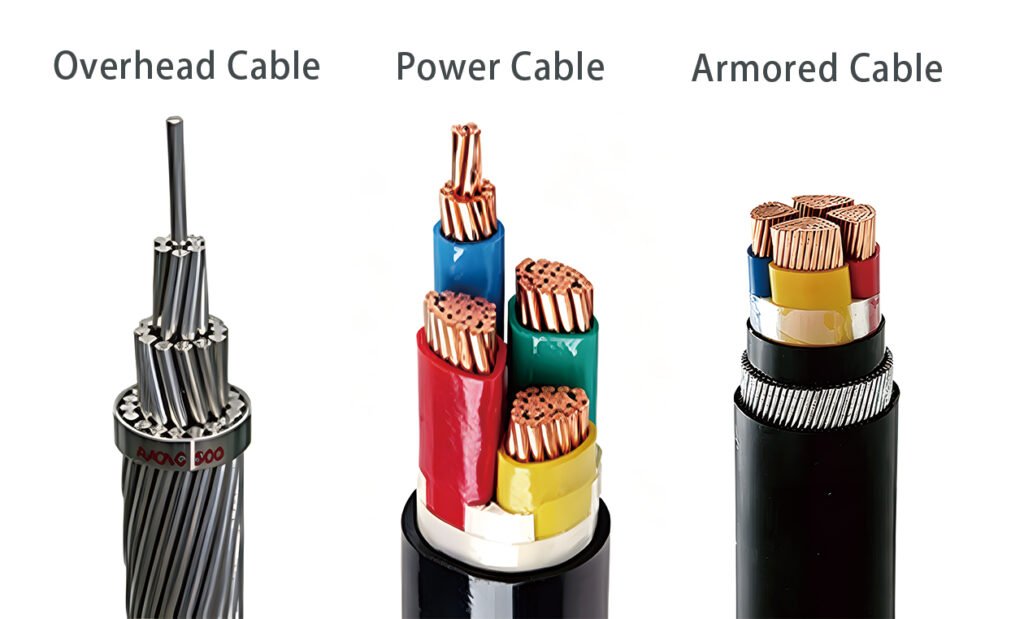
The primary difference lies in the mechanical protection and environmental installation environment for which the cable is engineered. Overhead cables (e.g., ACSR, AAAC) are designed for tensile strength and weight reduction to span long distances between poles, often utilizing bare conductors or lightweight weather-resistant insulation. Power cables are the baseline for energy transmission in protected environments, focusing on electrical insulation integrity (XLPE/PVC) and dielectric strength. Armored cables are specifically reinforced with a metallic layer (SWA/STA) to provide high impact resistance and crush protection, enabling direct burial or installation in hazardous industrial zones where mechanical damage is a high risk.
Technical Parameter Matrix: Comparative Analysis
| Feature | Overhead Cables (e.g., ACSR) | Standard Power Cables (e.g., VV/YJV) | Armored Cables (e.g., YJV22/SWA) |
| Primary Standard | IEC 61089 / ASTM B232 | IEC 60502-1 | BS 5467 / IEC 60502-2 |
| Installation | Aerial / Pylon Suspension | Conduit / Cable Tray | Direct Burial / Underground |
| Tensile Strength | Very High (Steel Core) | Low to Moderate | High (Mechanical Reinforcement) |
| Mechanical Guard | None (Weatherproof only) | Basic (Outer Sheath) | Steel Wire/Tape Armor |
| Common Insulation | Bare or PE (Weatherproof) | XLPE / PVC | XLPE (Cross-linked Polyethylene) |
| Bending Radius | N/A (Sag-tension focused) | 12x – 15x Diameter | 15x – 30x Diameter |
Mechanical Reinforcement: The Role of Armor (SWA/STA)
Armored cables are engineered to survive where standard cables fail. The design purpose is divided into two primary metallic structures:
Steel Wire Armor (SWA)
Composed of galvanized steel wires wrapped helically around the inner bedding.
- Purpose: Provides superior longitudinal tensile strength.
- Use Case: Ideal for high-stress pulls or vertical drops in mines and high-rise shafts.
Steel Tape Armor (STA)
Consists of two layers of galvanized steel tape applied with a gap-overlap.
- Purpose: Optimized for lateral crush resistance and rodent protection.
- Use Case: Preferred for underground distribution where the cable is buried in trenches and subject to external pressure from backfill or vehicles.
Environmental Adaptation of Overhead Conductors
Overhead cables prioritize weight-to-conductivity ratios. Unlike armored or buried power cables, they must dissipate heat directly into the atmosphere.
- ACSR (Aluminum Conductor Steel Reinforced): Utilizes a central galvanized steel core for mechanical tension, surrounded by high-conductivity 1350-H19 aluminum strands.
- AAAC (All Aluminum Alloy Conductor): Uses 6201-T81 high-strength alloy to provide a better strength-to-weight ratio than ACSR in corrosive coastal environments.
- Design Focus: Minimizing “sag” and resisting “galloping” (wind-induced oscillations) while maintaining the current carrying capacity at elevated conductor temperatures (up to 75°C-90°C).