

GB/T 2952 Protective Layers for Armored Cables: Application & Corrosion Resistance
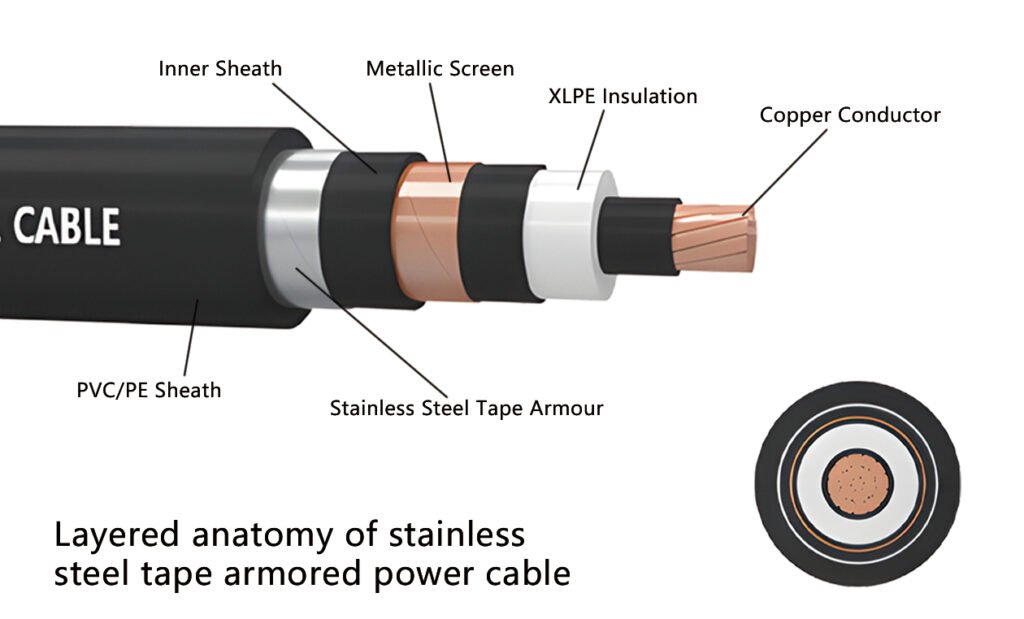
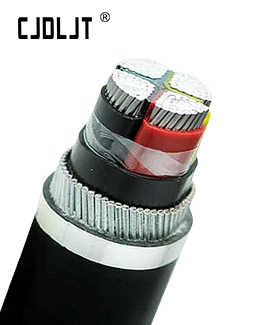
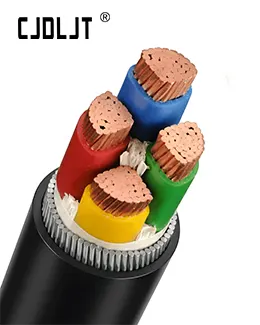
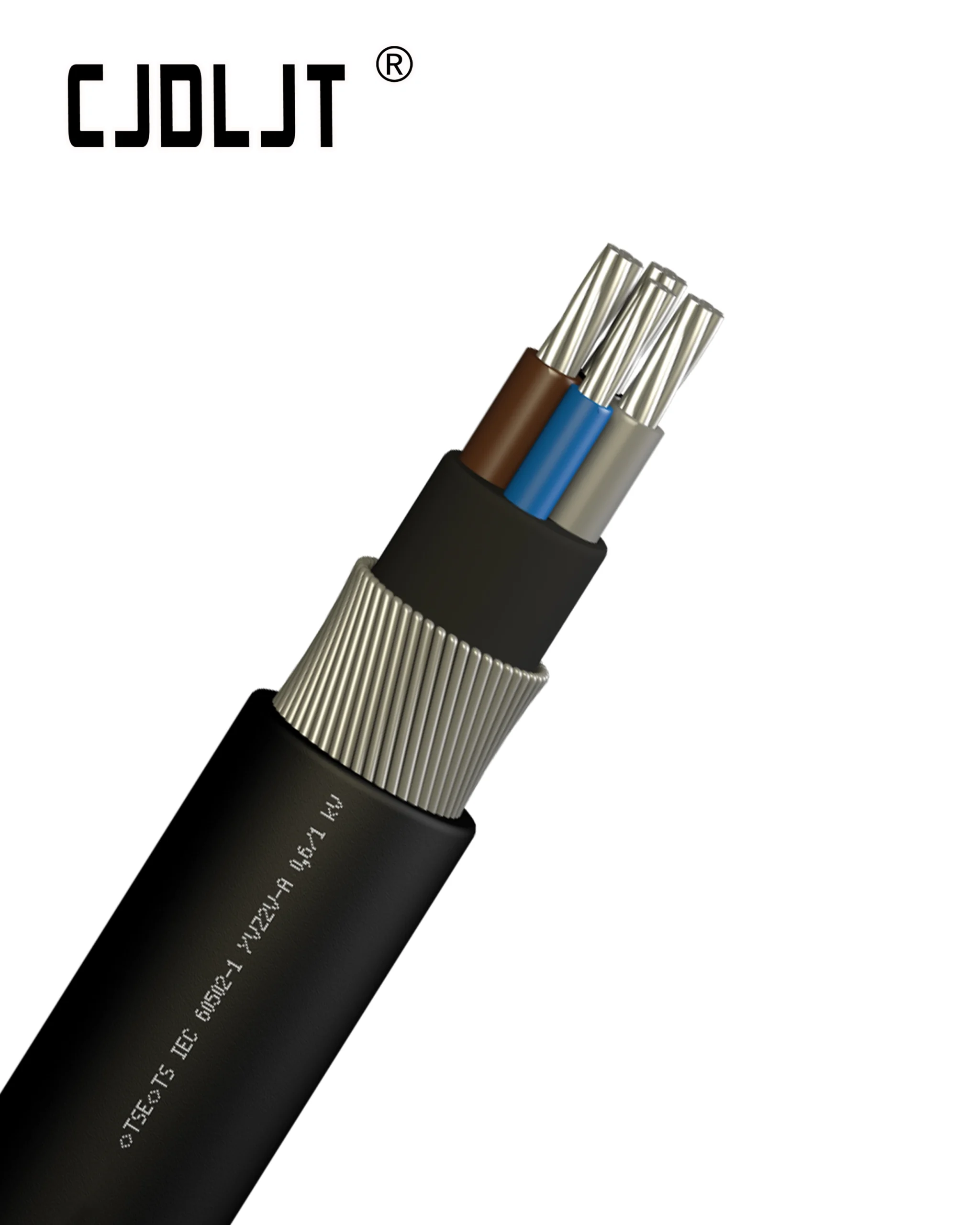
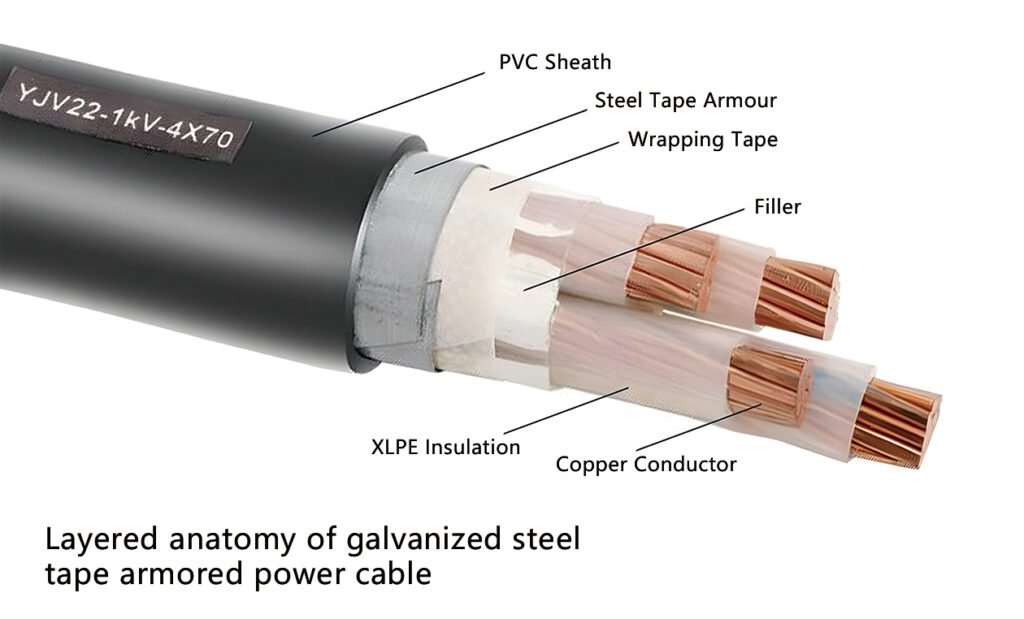
Under the GB/T 2952 standard (Protective layers of electric cables), armored cables with Galvanized Steel Strip (GSS) and Stainless Steel Strip (SSS) are categorized by their ability to withstand mechanical stress and environmental chemical aggression. Galvanized steel strip armor is the industry standard for underground burial, cable trenches, and pipe-laying where high mechanical protection against crushing is required. Stainless steel strip armor is specifically reserved for highly corrosive environments (salt spray, acidic soils) or single-core AC applications to prevent eddy current losses. Corrosion resistance is classified via the outer sheath material (e.g., ST2, polyethylene) and the presence of anti-corrosion bitumen or synthetic coatings over the metallic layer.
Technical Comparison of Armoring Materials
The choice between galvanized and stainless steel depends on the electrochemical potential of the installation site and the required magnetic properties of the cable system.
| Parameter | Galvanized Steel Strip (GSS) | Stainless Steel Strip (SSS) |
| Standard Reference | GB/T 2952.3 / IEC 60502 | GB/T 2952.4 |
| Corrosion Resistance | Moderate (Sacrificial Zinc Layer) | Excellent (Passive Oxide Film) |
| Magnetic Property | Ferromagnetic (Suited for Multi-core) | Non-Magnetic (Available in 300 series) |
| Mechanical Strength | High Tensile & Crush Resistance | Very High; Superior Hardness |
| Primary Environment | Soil with pH 6.0–8.5, Urban Trenches | Coastal Regions, Chemical Plants, Mines |
| Typical Outer Sheath | PVC (ST2) or PE (ST7) | LSZH or Reinforced PE |
Laying Environments and Corrosion Classification
GB/T 2952 defines specific “protective layer types” (e.g., 22, 23, 32, 33) that dictate where these cables can be safely installed based on soil and atmospheric conditions.
1. Galvanized Steel Strip (General Purpose)
- Direct Burial: Suitable for ordinary soil. The galvanization provides cathodic protection, but it is susceptible to stray currents and highly acidic/alkaline soils.
- Vertical Shafts: Generally requires wire armor (GSW) rather than strip, but GSS is permitted in shallow inclines.
- Classification: Usually classified under Type 22 (PVC) or Type 23 (PE). Corrosion protection is “Normal” to “Reinforced” depending on the thickness of the bitumen and oversheath.
2. Stainless Steel Strip (Specialized/Corrosive)
- Harsh Chemical Zones: Used in environments where the chloride ion concentration is high enough to penetrate standard PVC sheathing.
- Single-Core AC Circuits: Non-magnetic stainless steel prevents the “Transformer Effect” (heating due to hysteresis and eddy currents) when carrying heavy AC loads.
- Classification: Often designated for Class III (Heavy Anti-Corrosion) environments. It maintains structural integrity even if the outer sheath is breached.