

Single-Core vs. Multi-Core Cables: Primary Application Zones
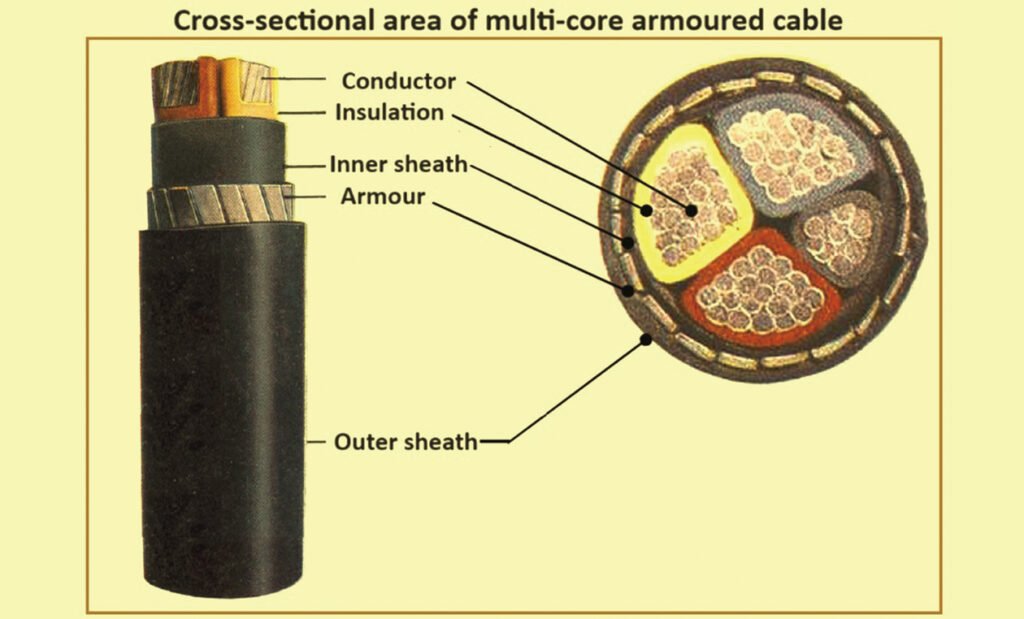
Single-core and multi-core cables are selected based on the structural constraints of the electrical network, specifically current-carrying capacity (ampacity), mechanical stress, and space availability. Single-core cables are primarily deployed in high-power, utility-scale transmission and heavy industrial distribution networks where high ampacity and large conductor cross-sections (typically above 300 mm²) are required. Multi-core cables are utilized in low-to-medium voltage commercial, industrial control, and residential applications where space constraints demand a compact footprint, and mechanical protection like steel wire armoring is necessary within a single run.
Technical Parameter Comparison Matrix
The structural variations between single-core and multi-core configurations directly impact their electrical and mechanical performance limits under continuous operation.
| Technical Parameter | Single-Core Cables | Multi-Core Cables |
|---|---|---|
| Typical Voltage Range | Medium to Extra-High Voltage (6 kV to 500 kV) | Low to Medium Voltage (0.6/1 kV to 11 kV) |
| Conductor Cross-Section Range | Large scale (50 mm² to 1000+ mm²) | Small to Medium (1.5 mm² to 400 mm²) |
| Heat Dissipation Efficiency | High (isolated phase configuration) | Lower (mutual heating from adjacent cores) |
| Skin Effect & Proximity Effect | Managed via strategic phase spacing | High proximity effect in close-packed cores |
| Magnetic Flux Induced Losses | High risk of eddy currents in metallic armor | Cancelled out (balanced three-phase magnetic fields) |
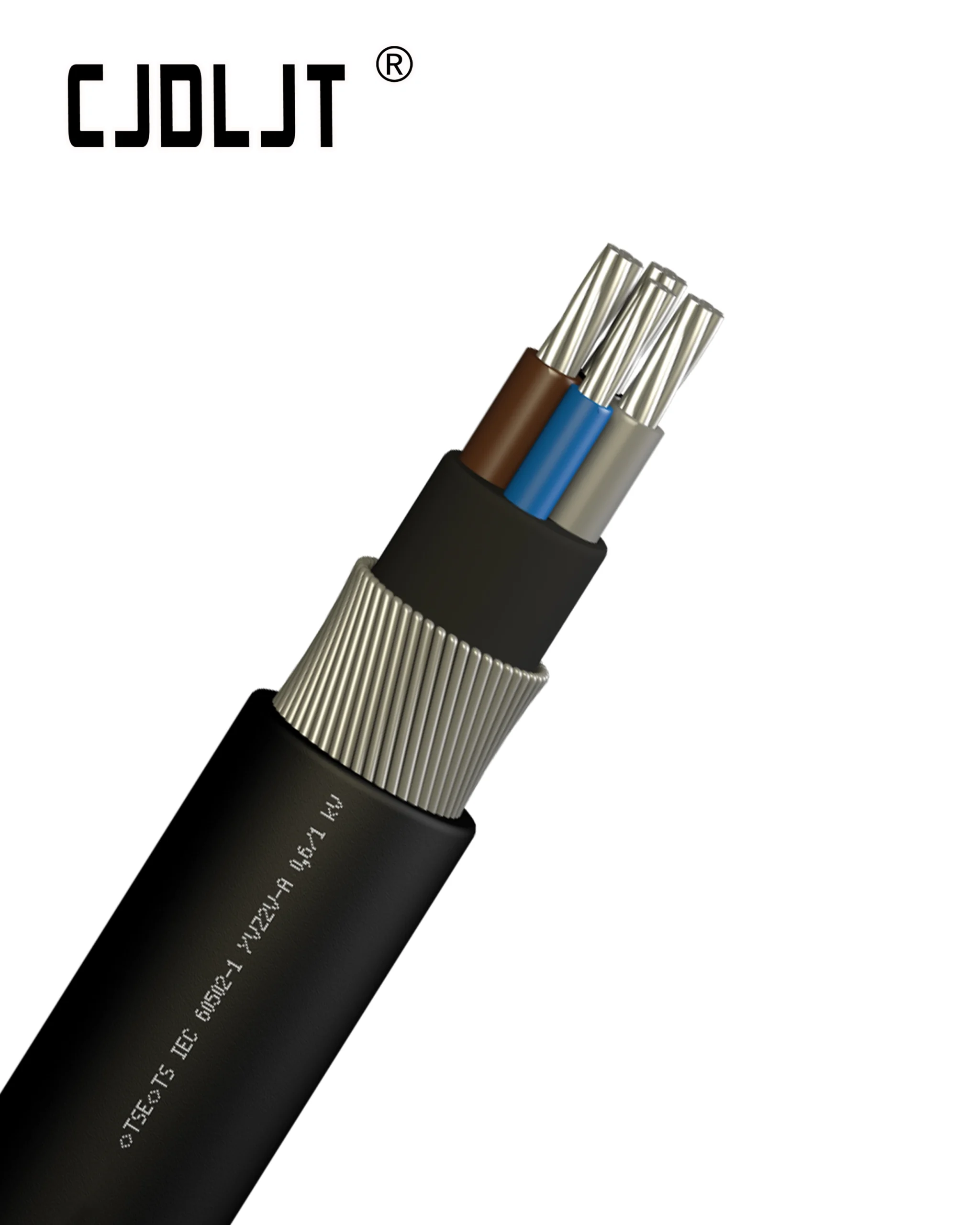
| Mechanical Armor Type | Non-magnetic Aluminum Wire Armor (AWA) | Magnetic Steel Wire Armor (SWA) or Tape (STA) |
| Minimum Bending Radius | Larger (15x to 20x Cable OD) | Compact (10x to 15x Cable OD) |
Single-Core Cable Deployment Scenarios
High-Voltage Power Transmission Lines
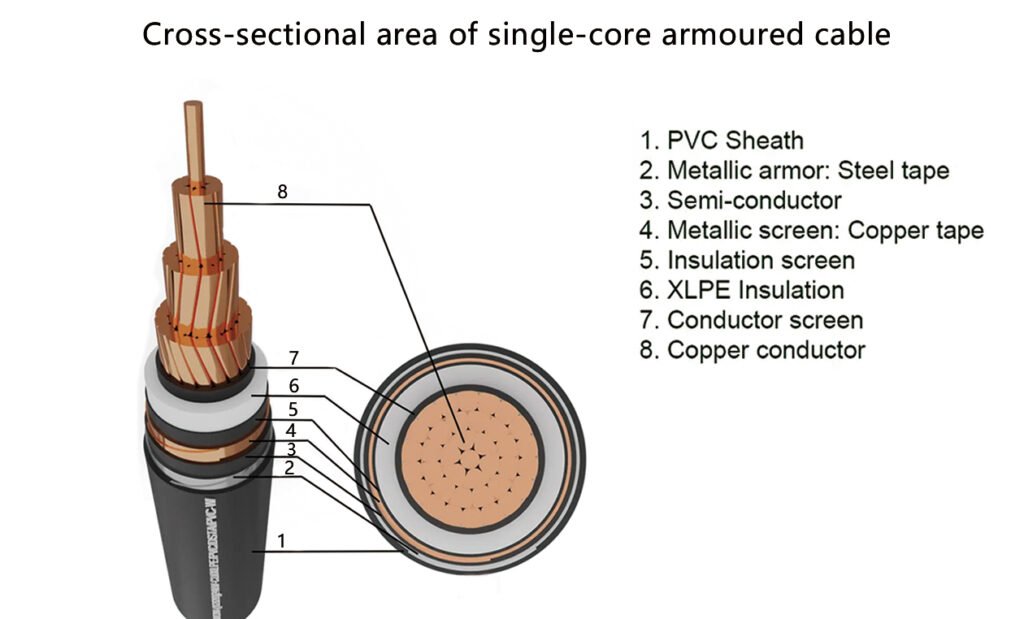
In utility-scale power transmission grids operating at or above 110 kV, single-core XLPE (Cross-linked Polyethylene) insulated cables are standard. Large cross-sectional areas (e.g., 800 mm² Annealed Copper or Aluminum conductors) are too rigid to be manufactured or transported as a multi-core assembly. Single-core design prevents catastrophic phase-to-phase short circuits within a single cable structure.
High-Ampacity Industrial Feeders
Industrial manufacturing plants, chemical processing facilities, and data centers requiring continuous high current loads use single-core configurations. Running isolated phases eliminates the mutual thermal heating effect found in multi-core cables, allowing the conductors to operate safely at their maximum rated temperature (typically 90 °C for XLPE insulation under IEC 60502-2).
Critical Engineering Note on Armor Selection:
Single-core cables carrying alternating current (AC) must never use magnetic steel wire armor (SWA). The alternating magnetic field induces severe eddy currents and hysteresis losses in magnetic materials, causing rapid overheating and thermal degradation of the insulation. Non-magnetic Aluminum Wire Armor (AWA) or hard-drawn copper wire screens must be specified.
Multi-Core Cable Deployment Scenarios
Commercial and Industrial Power Distribution
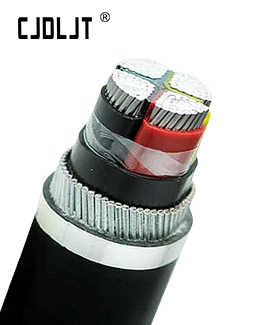
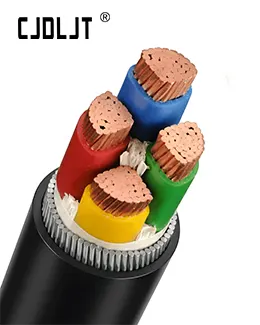
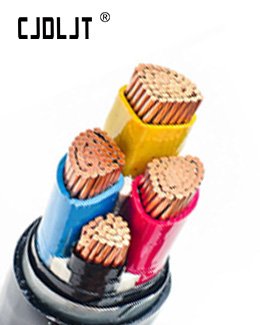
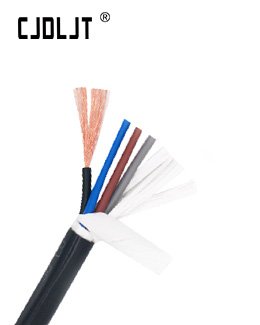
Multi-core cables (typically 3-core, 4-core, or 5-core configurations) are the industry standard for low-voltage (0.6/1 kV) main distribution lines in commercial buildings and manufacturing plants. For three-phase AC circuits, a multi-core layout natively balances the vector sum of the magnetic fields, effectively canceling out external electromagnetic interference and eliminating the risk of induced armor heating. This allows the integration of heavy Steel Wire Armor (SWA) for direct burial applications complying with BS 5467.
Automation, Signaling, and Control Systems
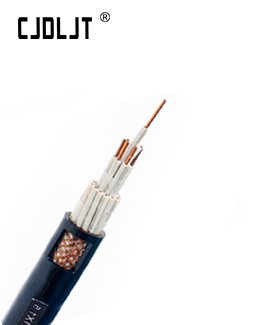
In industrial automation, conveyor systems, and process control loops, multi-core control cables (often exceeding 10 to 30 cores within a single sheath) handle low-voltage signaling. These cables require high structural density to route multiple data points through tight cable trays. They frequently incorporate Flame Retardant and Low Smoke Zero Halogen (LSZH) sheathing compounds to meet strict indoor fire safety standards like IEC 60332-3.