

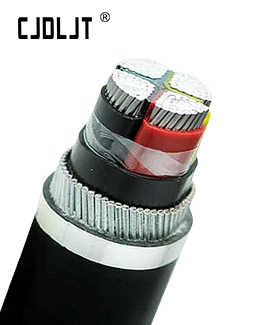
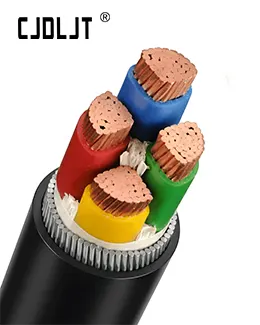
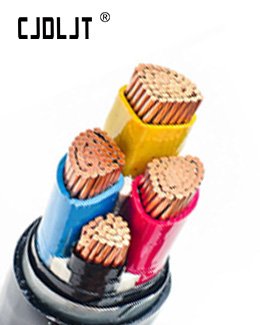
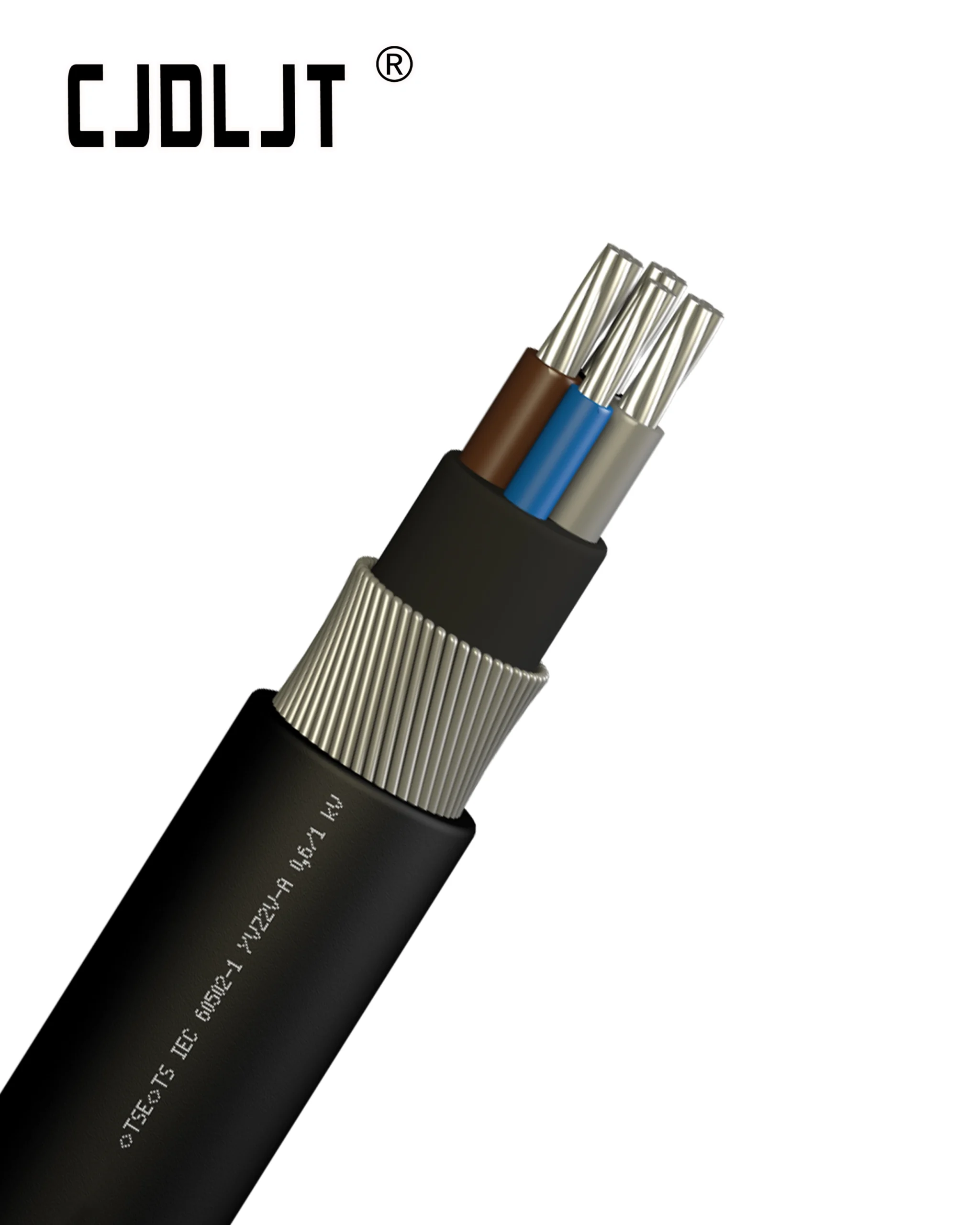

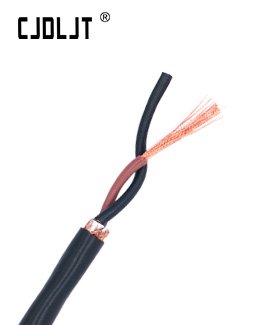

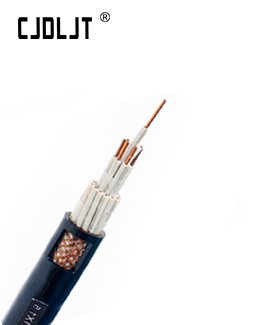
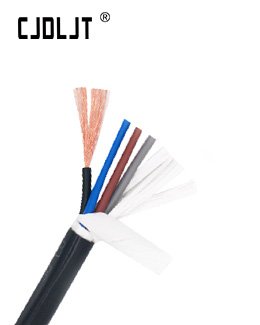
Aerial Bundled Cable (ABC) systems utilize insulated phase conductors tightly twisted around a neutral messenger wire, operating up to 0.6/1 kV (LV) or 11–33 kV (MV) per IEC 60502-1 and HD 626. In contrast, traditional bare overhead lines rely on uninsulated aluminum conductors—such as AAC, AAAC, or ACSR specified under IEC 61089—separated by physical air gaps. ABC’s XLPE or HDPE insulation eliminates phase-to-phase short circuits caused by tree contact or wind clashing, reducing bushfire risks, power theft, and maintenance costs. However, bare conductors remain the standard for long-span transmission due to lower material costs and superior heat dissipation.
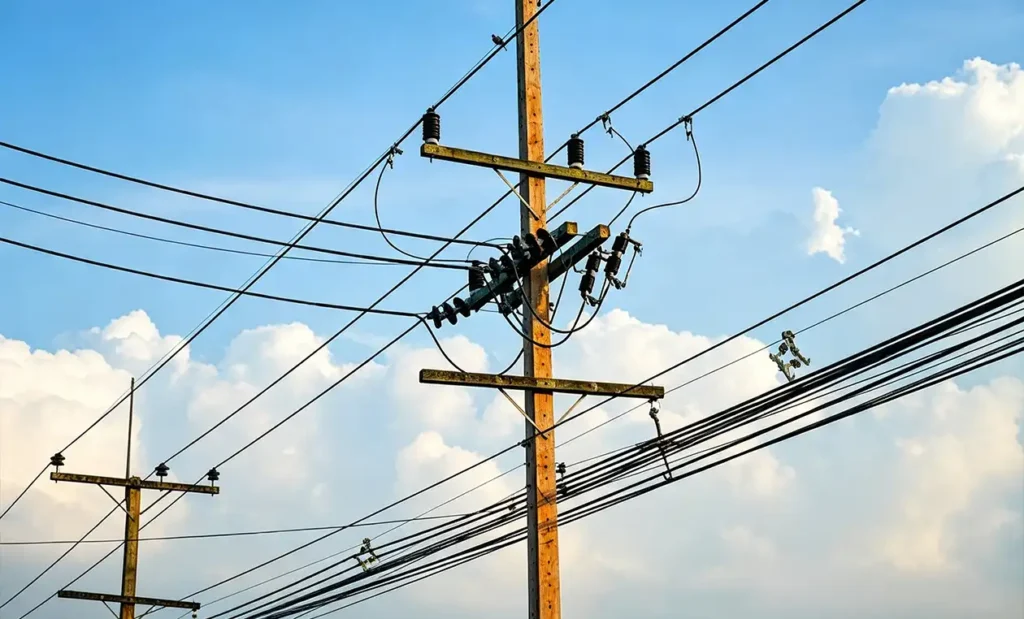
Technical Comparison Matrix: ABC Cable vs. Bare Overhead Conductors
| Technical Parameter | Aerial Bundled Cable (ABC) | Bare Overhead Conductors (ACSR / AAAC / AAC) |
| Applicable Standards | IEC 60502-1, BS 7870-5, HD 626 | IEC 61089, ASTM B232, BS 215 |
| Insulation Material | XLPE (Cross-linked Polyethylene) or HDPE | None (Uninsulated bare metal) |
| Rated Voltage Limits | LV (0.6/1 kV) up to MV (11 kV – 33 kV) | LV, MV, HV (11 kV to 765 kV+) |
| Max Conductor Temp. | 90°C continuous / 250°C short-circuit | 75°C – 85°C continuous / 200°C short-circuit |
| Clearance / ROW Width | Minimal (0.5 m – 1.0 m corridor required) | Wide (3.0 m – 10.0 m+ phase spacing) |
| Transient Fault Rate | Extremely Low (Immune to branch/wind clashing) | High (Vulnerable to clash, birds, trees) |
| Non-Technical Losses | Near Zero (Prevents direct hook-line theft) | High (Susceptible to illegal tapping) |
| Capital Expenditure | Higher initial procurement cost (+30% to +50%) | Lower material and hardware cost |
| Operational Costs | Low (Minimal tree trimming & fault dispatch) | High (Frequent vegetation management required) |
Technical Analysis: ABC Systems
Advantages of Aerial Bundled Cable
- Fault Immunity: The XLPE sheath eliminates transient outages from wind-driven conductor clashing, wildlife contact, or falling branches.
- Narrow Right-of-Way (ROW): Allows mounting along narrow alleys or dense forest corridors without wide vegetation clearing under IEEE 1427 guidelines.
- Enhanced Safety & Loss Reduction: Prevents accidental electrocution during structural contact and deters non-technical power theft via direct line tapping.
- Support on Shared Structures: Can be strung on existing telephone poles or wall-mounted via specialized anchor clamps without crossarms.
Constraints of Aerial Bundled Cable
- Lower Ampacity Thermal Dissipation: Bundled configuration restricts heat dissipation compared to bare metal exposed directly to air, requiring accurate derating factors.
- Specialized Accessories Required: Demands dedicated tension clamps, suspension assemblies, and Insulation Piercing Connectors (IPCs) compliant with EN 50483.

Technical Analysis: Bare Overhead Conductors
Advantages of Bare Conductors
- High Thermal Ampacity: Direct exposure to ambient air allows higher continuous current ratings for equivalent aluminum cross-sections (mm²).
- Low Initial CAPEX: Simple manufacturing processes without extrusion lines significantly reduce upfront conductor costs per kilometer.
- Ease of Jointing & Repair: Simple mechanical mid-span splices without stripping sheath material or maintaining insulation integrity.
Constraints of Bare Conductors
- High Maintenance OPEX: Demands continuous, scheduled tree trimming to preserve mandatory ground and phase clearances.
- Safety & Environmental Hazards: High risk of triggering bushfires in arid regions during conductor clashing or ground faults.