

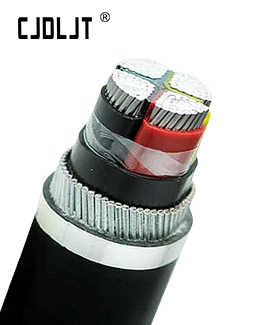
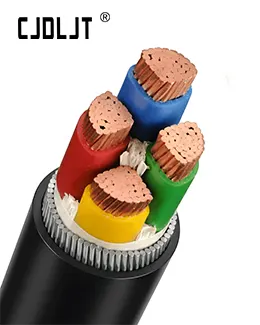
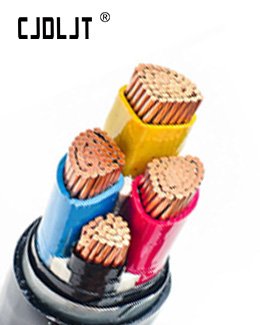
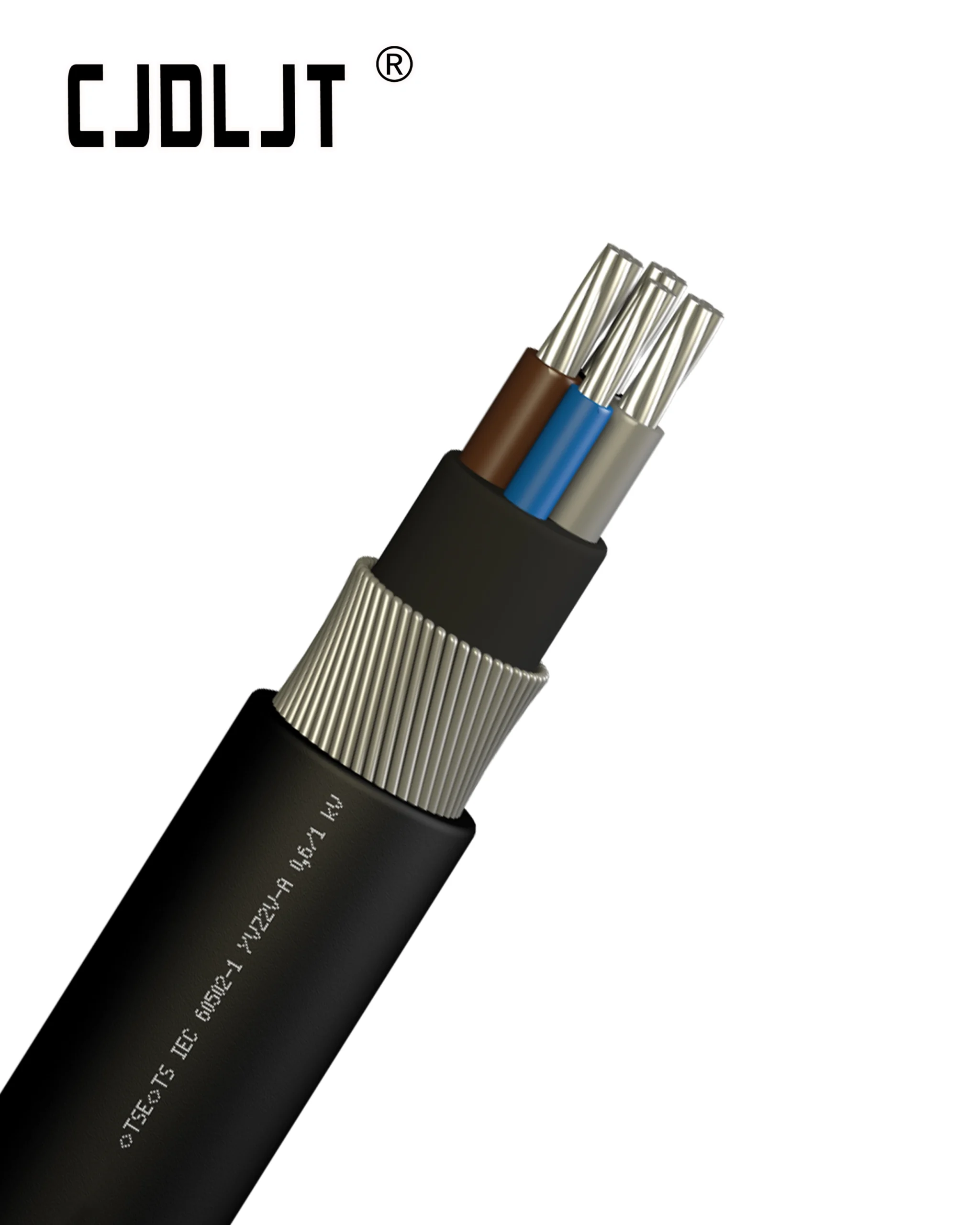


What is N2XY 0.6/1kV Power Cable?
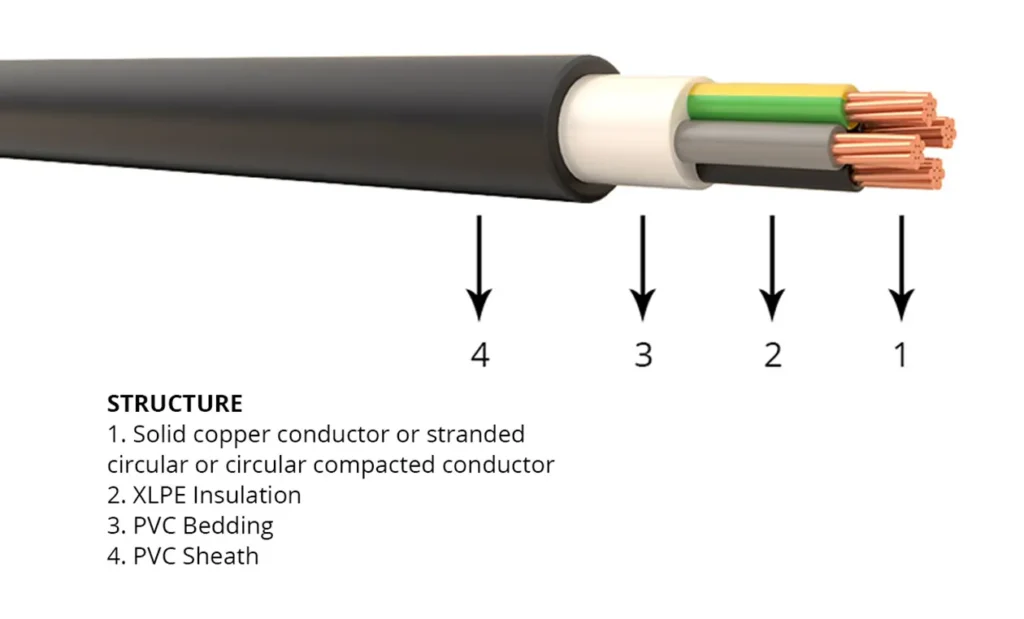
N2XY 0.6/1kV is a low-voltage fixed-installation power cable manufactured in compliance with VDE 0276-603 and IEC 60502-1. It utilizes solid or stranded annealed copper conductors (Class 1/2 per IEC 60228 [1]), cross-linked polyethylene (XLPE) insulation rated for 90°C continuous operation [2], and an extruded PVC outer sheath [3]. Unarmored by design, it delivers high current-carrying capacity, low dielectric losses, and superior thermal stability relative to standard PVC cables. Primary use cases include industrial grids, power distribution units, and switchgear connections where mechanical armor is redundant or supplementary protection is provided.
Technical Parameter Matrix
| Parameter | Technical Specification | Standard Reference |
| Rated Voltage (U0/U) | 0.6/1 kV | IEC 60502-1 / VDE 0276-603 |
| Conductor Material | Annealed Copper (Plain, circular or sector-shaped) | IEC 60228 Class 1 (solid) / Class 2 (stranded) [1] |
| Insulation Material | Cross-linked Polyethylene (XLPE) | IEC 60502-1 |
| Outer Sheath Material | Polyvinyl Chloride (PVC), flame-retardant (black standard) | IEC 60332-1-2 |
| Max Continuous Conductor Temp | +90°C | IEC 60502-1 |
| Max Short-Circuit Temp | +250°C (max 5 seconds duration) | IEC 60502-1 |
| Min Installation Temperature | -5°C (handle with thermal conditioning below 0°C) | VDE recommendation |
| Min Bending Radius | Fixed single-core: 15 x outer diameter (OD); Multi-core: 12 x OD | IEC 60502 / Manufacturer specification |
Modular Construction Breakdown
- Conductor: Electrolytic copper, high conductivity (), minimizing DC resistance and Joule heating losses.
- Insulation (XLPE): Thermosetting polymer matrix eliminating thermal deformation under high peak loads; dielectric constant [2].
- Outer Sheath (PVC): Chemical resistance against mild acids, alkalis, and atmospheric weathering; flame propagation rating per IEC 60332-1 [3].
- Identification: Core identification via standardized color-coding (HD 308 S2 / VDE 0293) or numerical imprint.
Electrical & Thermal Performance
- Current Rating Advantage: XLPE 90°C thermal rating allows 15% to 30% higher ampacity than equivalent PVC-insulated (NYY) cables of identical cross-section [2].
- Short-Circuit Withstand: Thermal inertia supports high fault-current density up to 143 A/mm² for 1-second reference calculations.
- Dielectric Loss Factor (tan delta): Significantly lower than thermoplastic insulation, reducing internal heat generation during continuous high-voltage-stress operation.
Application Scenarios & Installation Constraints
Permitted Environments:
- Fixed indoor, outdoor, cable trays, cable ducts, and concrete-embedded channels.
- Industrial switchgear secondary circuits and primary low-voltage distribution risers.
Limitations & Restrictions:
- No Metallic Armor: Unsuitable for high-risk mechanical impact, high tensile pulling stress, or rodent-prone subterranean runs unless protected via heavy-duty conduits/trenches.
- UV Exposure: Standard black PVC outer sheath provides baseline UV resistance; extended tropical desert exposure requires specialized anti-UV compound formulation [3].
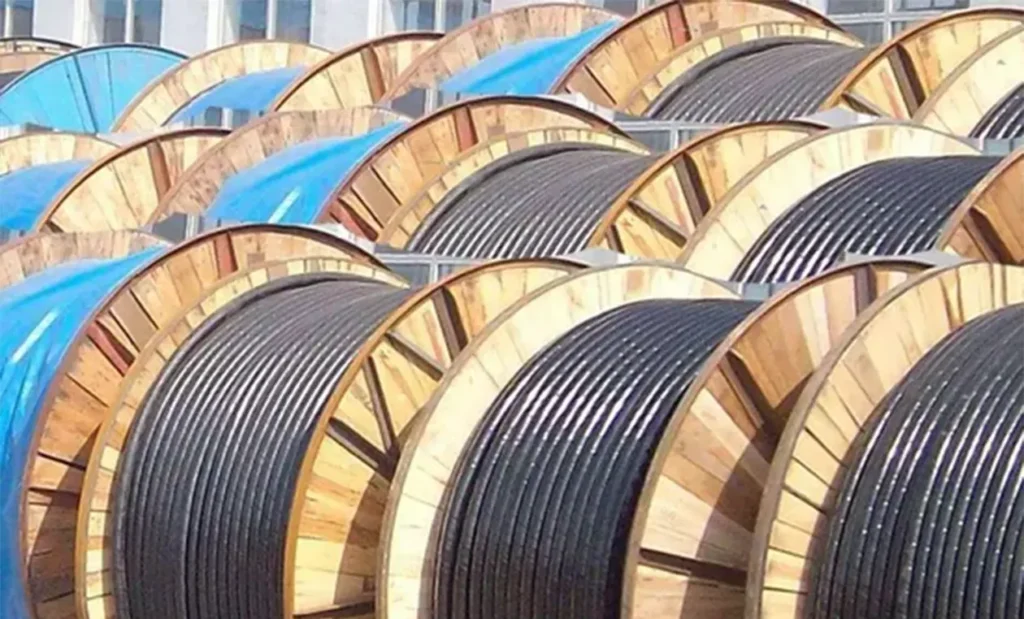
CJDL CABLE Engineering Insight: Unarmored N2XY 0.6/1kV offers an optimal balance of ampacity and cost for switchgear connections and distribution units with supplementary protection. All N2XY cables manufactured by CJDL CABLE are routinely tested to IEC 60502-1 and VDE 0276-603, with XLPE insulation rated for 90 °C continuous operation. In our industrial distribution projects, XLPE/PVC construction has supported compact, high-capacity feeder layouts while meeting 0.6/1kV installation requirements.
References
[1] Wikipedia. IEC 60228 [EB/OL]. 2026-01-01.
[2] Wikipedia. Cross-linked polyethylene [EB/OL]. 2026-01-01.
[3] Wikipedia. Polyvinyl chloride [EB/OL]. 2026-01-01.