

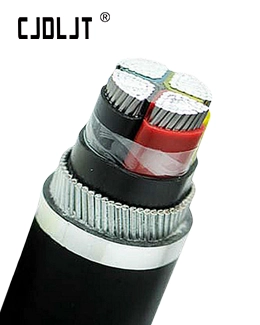
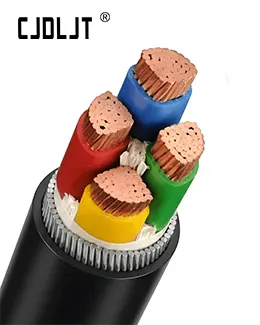
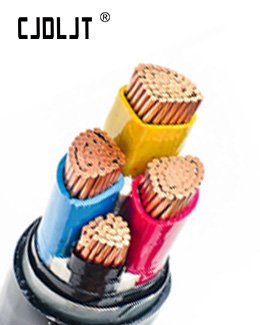
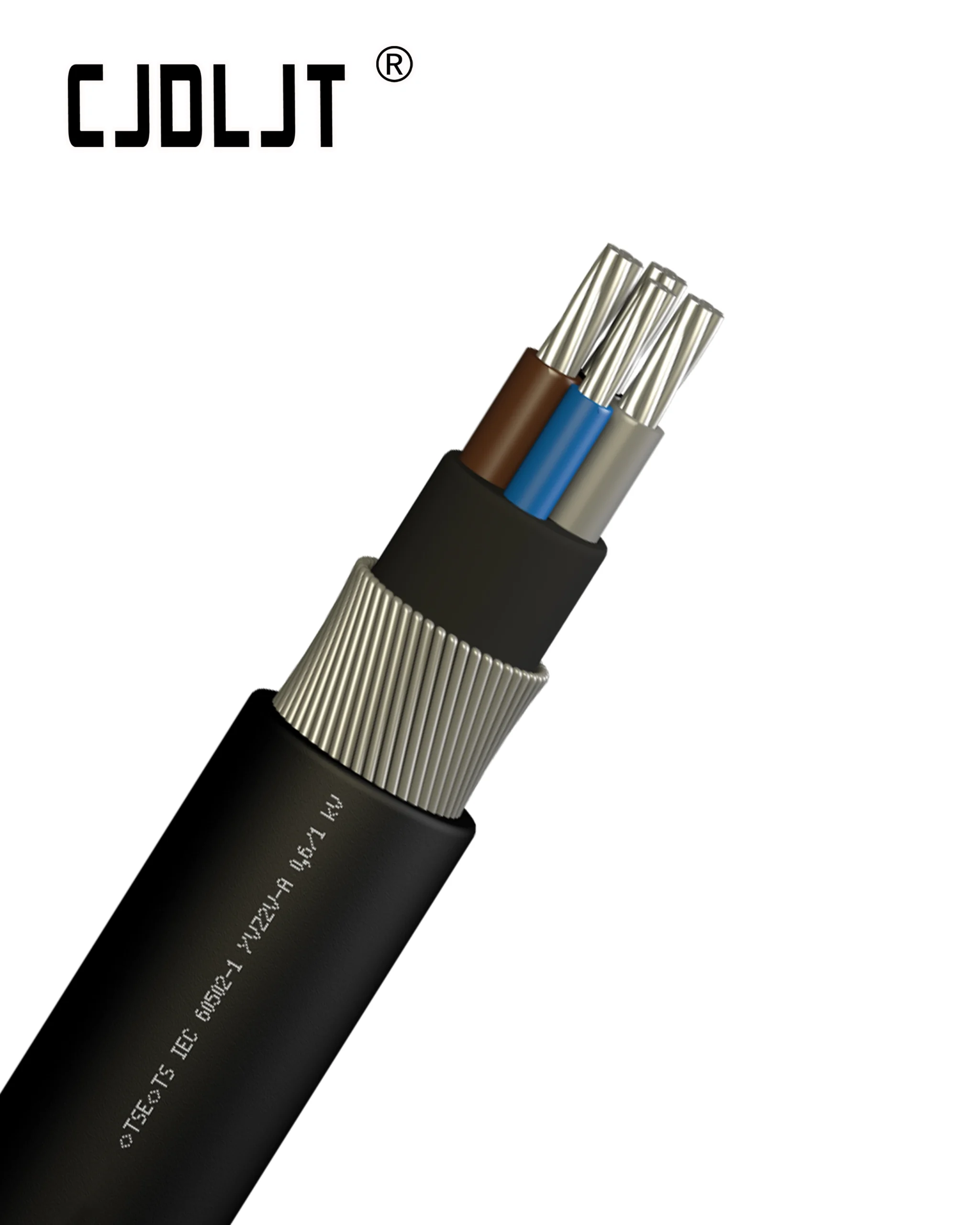

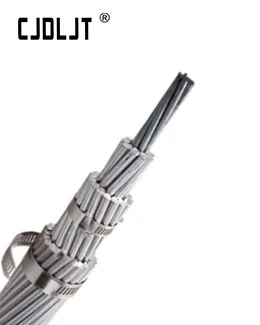
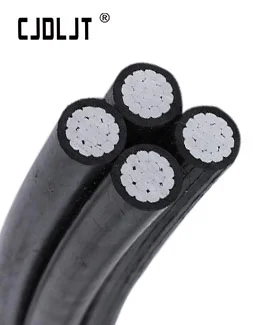

Coastal high‑corrosion areas feature heavy salt‑spray, high relative humidity and chloride‑rich atmospheric conditions, which bring severe ageing risks for overhead distribution lines. Both ACSR (Aluminum Conductor Steel‑Reinforced [1]) bare conductors and ABC (Aerial Bundled Cable [2]) insulated overhead cables are widely adopted for coastal power‑supply projects, yet improper material selection frequently causes strand breakage, insulation degradation, unexpected outages and shortened service life.
Standard‑grade ACSR suffers galvanic corrosion between dissimilar steel‑aluminum metals under marine atmosphere. Ordinary ABC cables may experience UV ageing, insulation cracking and messenger‑conductor corrosion without special anti‑corrosion configuration. Project teams cannot simply copy inland‑area bill‑of‑material standards. It is necessary to match conductor structure, material grade, accessory selection and installation details according to coastal corrosion severity.
Main Corrosion Failure Modes in Coastal Environments
For ACSR bare conductors
Standard galvanized ACSR consists of outer aluminum strands and inner galvanized‑steel core. When salt‑fog moisture invades strand gaps, galvanic cells form between aluminum and zinc‑coated steel. After zinc galvanizing layer is consumed, steel‑core rust expands, which damages surrounding aluminum strands, reduces mechanical tensile strength and raises circuit resistance.
- Common failures: pitting corrosion of outer aluminum strands, steel‑core rust expansion, partial strand breakage, increased conductor sag.
For ABC aerial bundled cables
ABC cables include insulated phase conductors plus a load‑bearing messenger conductor. In coastal environments, two main failure paths exist:
- UV‑salt combined ageing degrades PE / XLPE outer insulation, generating micro‑cracks; salt‑mist penetrates inward and corrodes the messenger‑conductor.
- Ordinary galvanized‑steel messenger suffers galvanic corrosion, resulting in messenger fracture and whole‑cable dropping risk.
Performance Comparison of Typical ACSR and ABC Options for Coastal Projects
| Cable / Conductor Type | Core Structure | Coastal Corrosion Resistance | Main Advantages | Key Limitations | Recommended Application Scope |
| Standard galvanized ACSR | Galvanized steel core + aluminum strands | Poor; galvanic‑corrosion risk | High tensile strength, mature supply, low unit price | Zinc coating fails early under salt‑spray; not suitable for direct seaside exposure | Inland areas only; not recommended for coastal high‑salt zones |
| Greased ACSR / ACSR‑AW (Aluminium‑clad steel core) | Aluminium‑clad steel core with anti‑corrosion filling grease | Good | Retains high tensile strength of steel‑reinforced structure; delays bimetallic corrosion | Higher cost; strict requirement on grease temperature resistance | Coastal transmission lines requiring long mechanical spans |
| AAAC (All‑Aluminum‑Alloy Conductor) | Homogeneous aluminum‑magnesium‑silicon alloy strands | Excellent; no dissimilar‑metal galvanic cell | Superior salt‑fog corrosion‑resistance; stable long‑term performance | Slightly lower tensile strength compared with ACSR‑AW; needs sag‑recheck for long spans | Most coastal overhead distribution corridors, preferred for severe marine sites |
| Standard ABC (galvanized‑steel messenger) | XLPE‑insulated phase conductors + galvanized‑steel messenger | Moderate risk; messenger vulnerable to salt corrosion | Insulated design reduces tree‑contact short‑circuit risk; compact pole layout | Steel messenger prone to rust in heavy salt‑spray environment | Coastal sites several km away from shoreline, with regular maintenance |
| Anti‑corrosion optimized ABC | UV‑enhanced XLPE insulation + AAAC / ACSR‑AW messenger | Very good | Insulation anti‑UV‑salt‑fog; messenger avoids bimetallic corrosion | Higher initial procurement cost | Direct sea‑spray‑exposed coastal low‑voltage distribution networks |
Optimized Selection Rules for ACSR‑Series Conductors in Coastal High‑Corrosion Zones
- Avoid standard galvanized ACSR for locations within 5 km of coastline. If steel‑reinforced structure is required for long‑span river‑crossing sections, specify fully‑greased ACSR‑AW (aluminium‑clad steel core) rather than ordinary galvanized ACSR. Clearly define grease drop‑point temperature requirements in tender documents.
- Prioritise AAAC all‑aluminum‑alloy conductors for general coastal distribution routes. Its homogeneous alloy structure fundamentally eliminates steel‑aluminum galvanic corrosion risk, delivering 40‑year‑plus design service‑life under marine atmosphere conditions. Re‑calculate sag and pole‑spacing according to AAAC mechanical parameters instead of copying ACSR design values.
- Strictly reference IEC 61089 [3] conductor standard; require mill‑test reports covering salt‑spray resistance, tensile‑strength and strand‑material composition.
- For hardware fittings: select hot‑dip‑galvanized or aluminium‑alloy fittings matching coastal corrosive category; avoid mixed dissimilar‑metal contact without isolating gaskets.
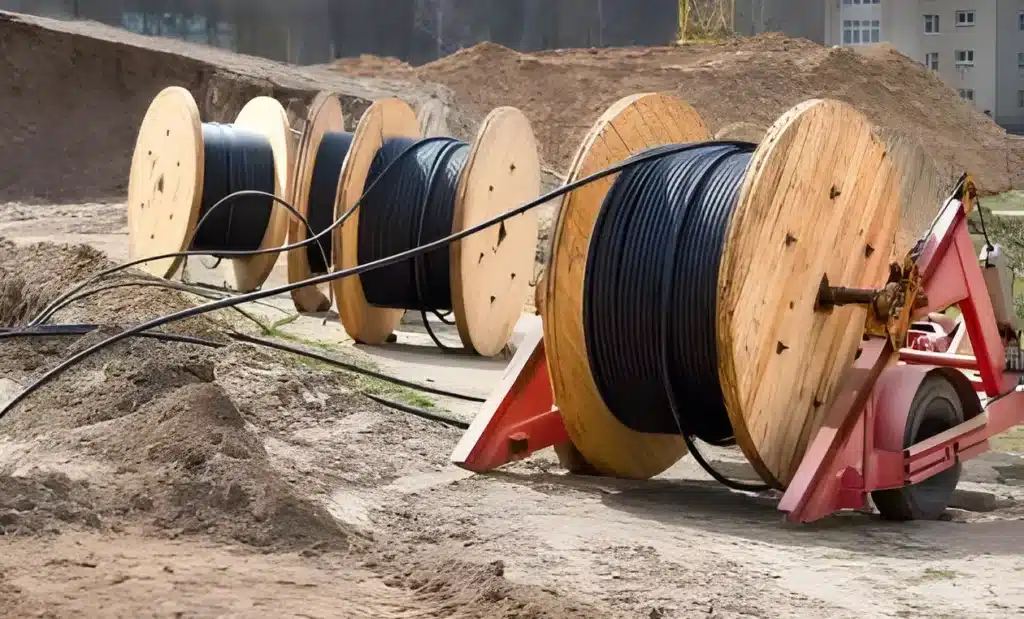
Optimized Selection Rules for ABC Aerial Bundled Cables in Coastal High‑Corrosion Zones
- Messenger conductor is the most critical anti‑corrosion component of coastal ABC cables. Reject ABC with ordinary galvanized‑steel messenger for direct sea‑spray‑exposed zones; select ABC adopting AAAC or ACSR‑AW anti‑corrosion messenger conductor.
- Insulation material upgrade: specify UV‑stabilized enhanced‑grade XLPE insulation, instead of ordinary PE insulation. Salt‑fog plus strong UV accelerates PE cracking, enabling chloride ions to invade cable interior.
- Standard compliance: follow IEC 61394 [4] for aerial bundled cables and conductor anti-corrosion greases; require supplier to provide accelerated salt‑spray and UV‑ageing test records.
- Accessories matching: tension clamps, suspension fittings and end terminals shall use coastal‑grade anti‑corrosion hardware. Seal cable end‑terminations tightly to block salt‑mist ingress from cable ends.
Site‑Construction & Operation‑Maintenance Optimization Points
- Storage: Prevent coil end‑face exposure to sea‑wind and salt‑rain before installation; seal cable ends reliably during stock‑keeping.
- Installation: Avoid scratching ABC insulation surface during paying‑off and erection; any insulation damage becomes salt‑mist penetration access point.
- Periodic inspection: Increase inspection frequency for coastal overhead lines. Focus on checking ACSR strand pitting, grease overflow status, ABC insulation surface micro‑cracks and messenger‑conductor corrosion conditions.
- Maintenance plan: Arrange regular cleaning and hardware anti‑corrosion retreatment for fittings in heavy‑salt‑spray sections.
Common Specification Pitfalls for Coastal Overhead Lines
- Copying inland‑project material lists directly, applying standard galvanized ACSR and ordinary galvanized‑messenger ABC for coastal severe‑corrosion sections.
- Only paying attention to phase‑conductor performance, while ignoring messenger‑conductor anti‑corrosion grade of ABC cables; messenger fracture becomes hidden major safety hazard.
- Specifying anti‑corrosion conductors but still adopting common inland‑grade hardware fittings; fittings corrode far earlier than conductors.
- Neglecting sag recalculation: using AAAC but retaining original ACSR‑based pole‑spacing parameters, causing excessive sag risk.
References
[1] Wikipedia. Aluminium conductor steel-reinforced cable [EB/OL]. 2026-10-30.
[2] Wikipedia. Aerial bundled cable [EB/OL]. 2026-10-30.