

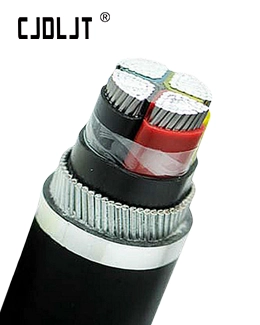
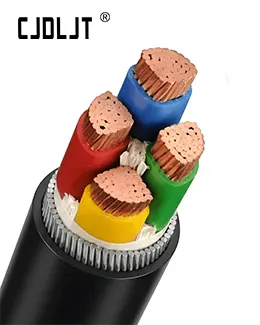
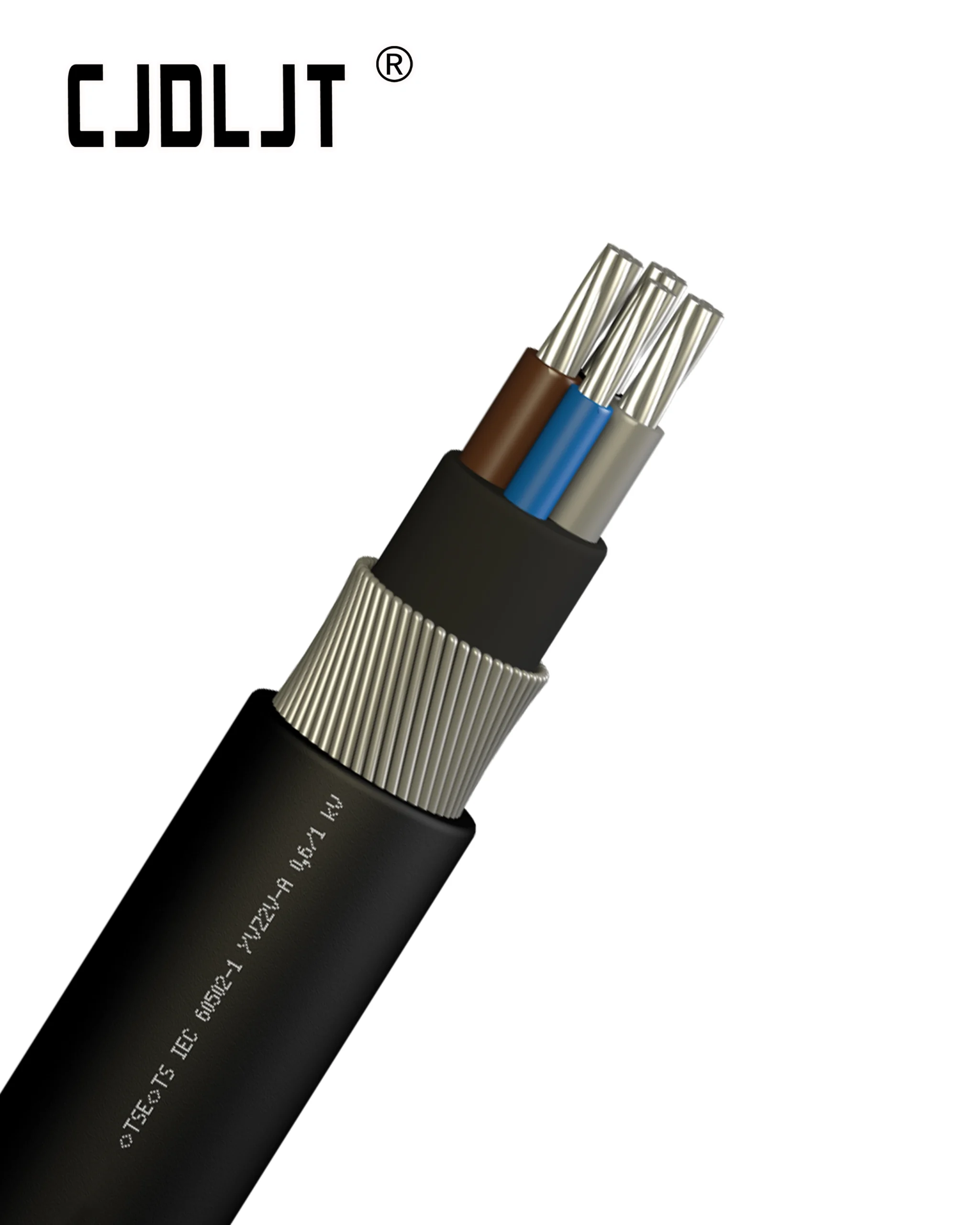

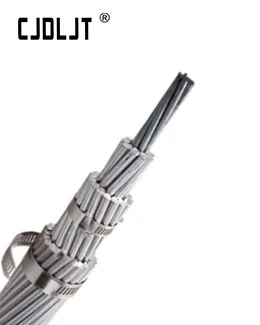
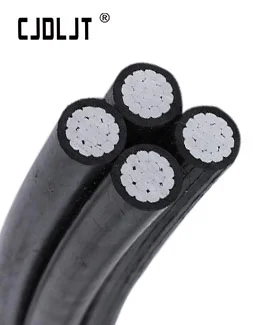
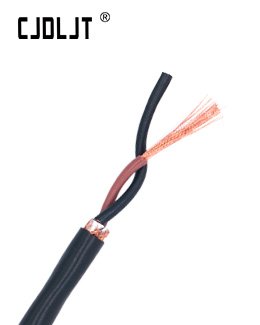

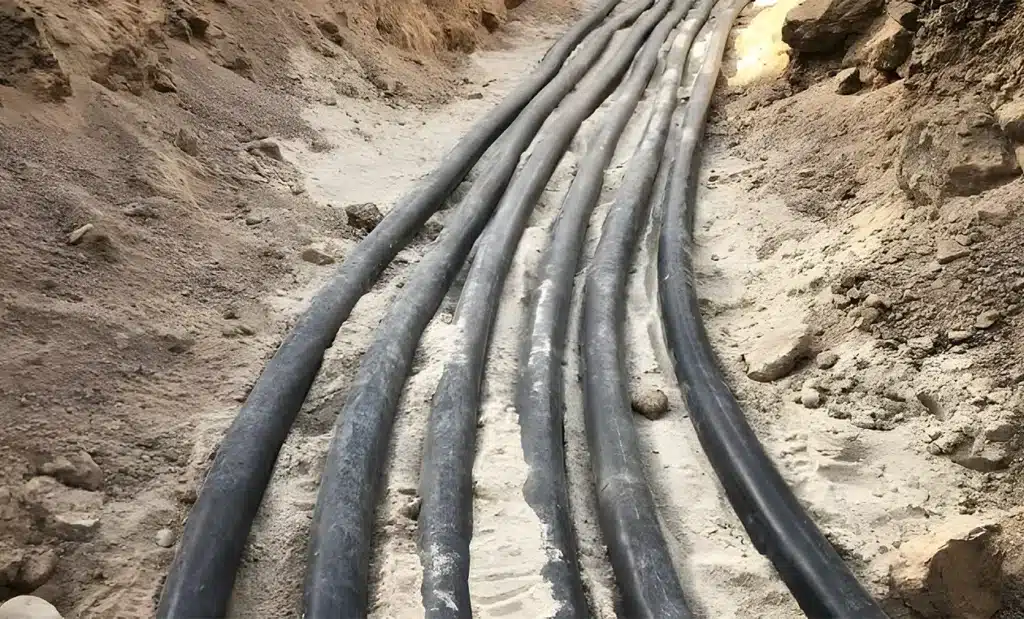
- Higher Soil Thermal Resistivity Reduces Underground Cable Ampacity Soil thermal resistivity directly affects the current-carrying capacity (ampacity) of underground power cables because it determines how efficiently heat can dissipate from the cable into the surrounding soil [1]. When a cable carries electrical current, conductor resistance generates heat. If the surrounding soil has high thermal resistivity, this heat cannot escape efficiently, causing the conductor temperature to rise more quickly. To prevent overheating and insulation degradation, the permissible operating current must be reduced. Conversely, soil with low thermal resistivity allows better heat dissipation and generally supports a higher cable ampacity. Therefore, soil thermal conditions are an essential consideration when designing underground cable installations.
- Relationship Between Soil Thermal Resistivity and Cable Ampacity Soil thermal resistivity is commonly expressed in K·m/W. The following table illustrates how different soil conditions influence underground cable heat dissipation.
| Parameter | Low Thermal Resistivity | High Thermal Resistivity |
| Soil thermal resistivity | Better heat transfer | Poorer heat transfer |
| Heat dissipation | Efficient | Restricted |
| Conductor temperature | Generally lower | Generally higher |
| Cable ampacity | Generally higher | Generally lower |
| Typical soil condition | Moist, compact soil | Dry, loose or sandy soil |
| Thermal performance | More favorable | Less favorable |
The table shows qualitative relationships, not guaranteed ampacity values. Actual cable ratings require thermal calculations based on the complete installation configuration.
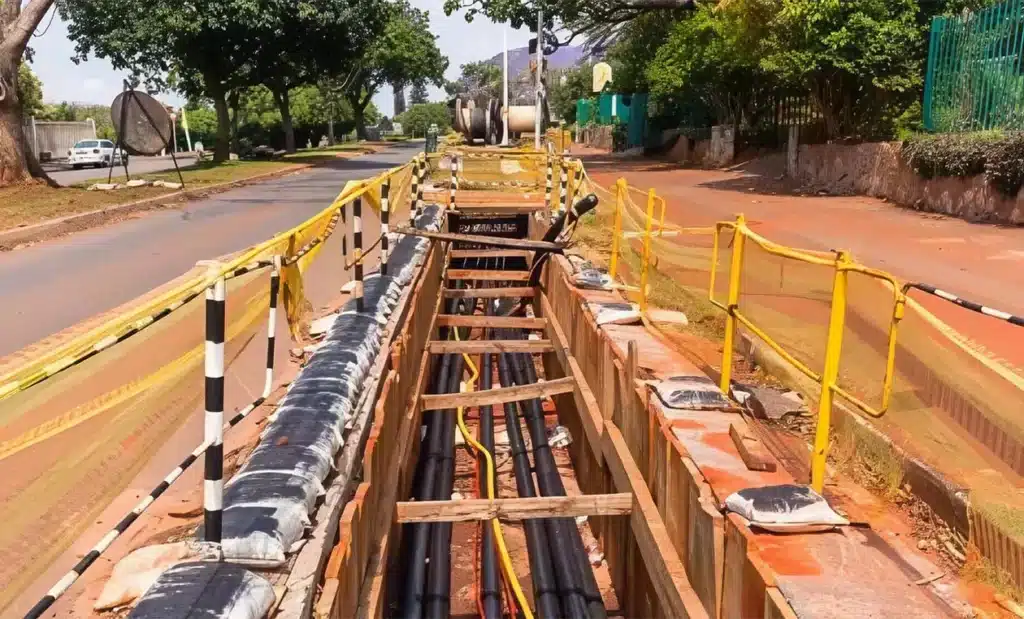
- How Soil Moisture and Thermal Dry-Out Change Cable Performance Soil moisture is one of the most important factors influencing thermal resistivity. Water generally improves heat transfer between soil particles, while dry soil contains more air-filled pores that restrict heat flow. However, underground cable heating can cause moisture migration away from the cable surface, creating a partially dried-out zone with higher thermal resistivity. This increases the thermal resistance surrounding the cable and can further raise conductor temperature. In severe cases, the cable may need to operate at a significantly reduced current to remain within its maximum permissible temperature. IEC 60287-1-1:2023 specifically addresses current-rating calculations for buried cables under conditions involving partial soil drying [2].
- How to Measure and Control Soil Thermal Resistivity Before designing an underground cable system, engineers should investigate the actual soil conditions along the cable route rather than relying exclusively on generic soil classifications. Soil thermal resistivity can be measured through laboratory testing or field thermal probe measurements. IEEE 442-2017 provides guidance for measuring the thermal resistivity of native soil and engineered backfill materials [3]. Where natural soil has unfavorable thermal properties, engineered thermal backfill can improve heat dissipation around buried cables. Its thermal performance should be verified under representative moisture and compaction conditions.
- Engineering Recommendations for Underground Cable Selection Soil thermal resistivity should be treated as a design input when determining underground power cable ampacity, not as a secondary installation detail. Engineers should verify soil thermal resistivity, moisture conditions, burial depth, cable spacing, conductor size, installation configuration and maximum permissible conductor temperature before finalizing cable selection. IEC 60287-1-1:2023 provides the current-rating calculation framework, while IEC 60287-2-1:2023 addresses the calculation of thermal resistance. For projects with uncertain or seasonal soil conditions, conservative design assumptions and appropriate thermal backfill can help reduce overheating risks and improve long-term operating reliability.
References
[1] Wikipedia contributors. Soil thermal properties [EB/OL]. 2026-03-29.
[2] Wikipedia contributors. List of IEC standards [EB/OL]. 2026-03-29.
[3] Wikipedia contributors. Thermal conductivity measurement [EB/OL]. 2026-03-29.