



1. Conductor Class Directly Influences Cable Flexibility
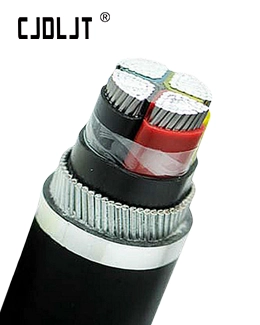
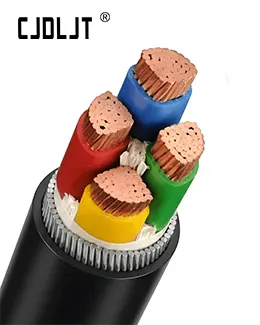
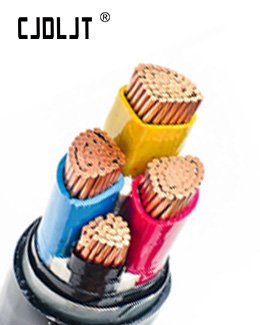
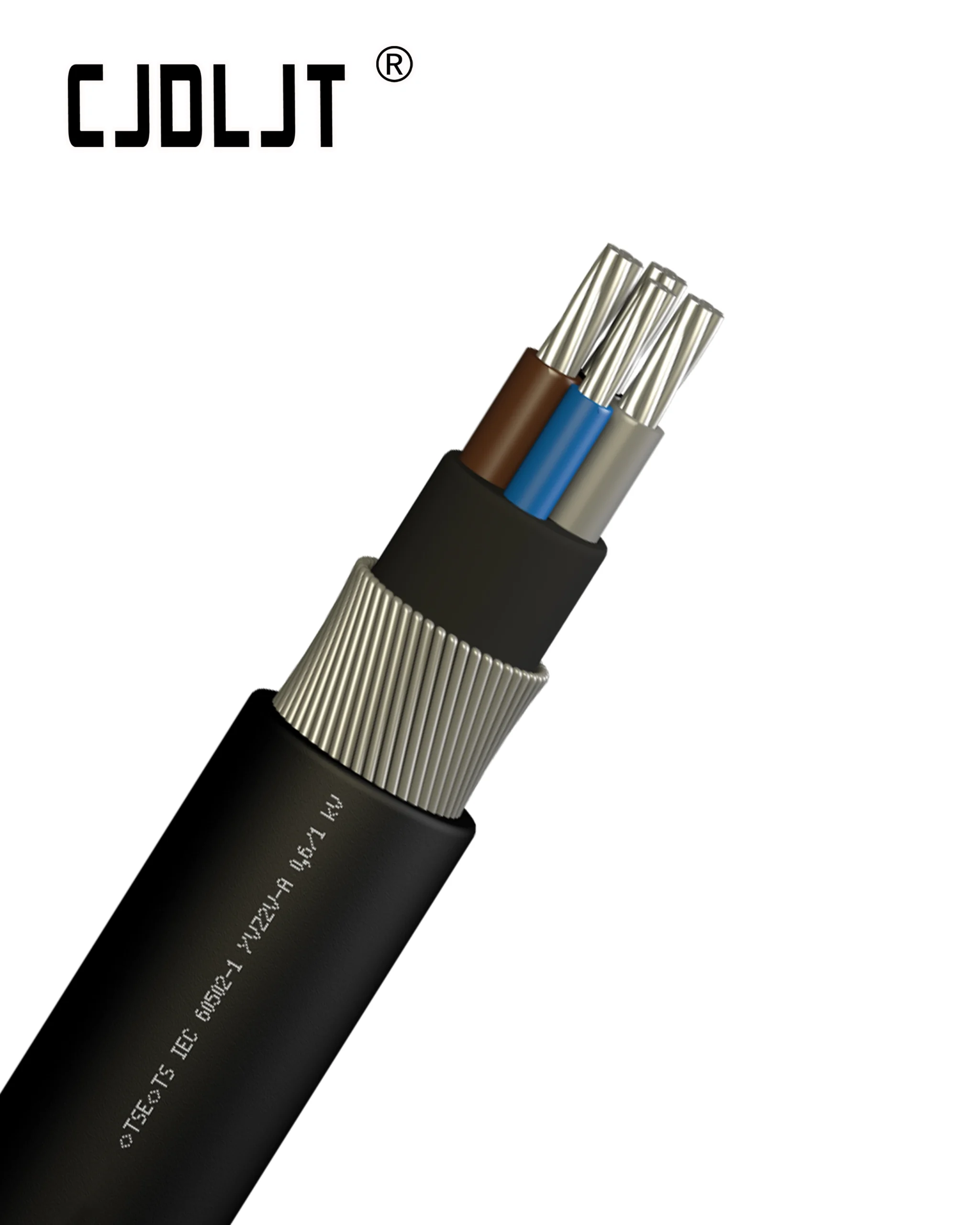
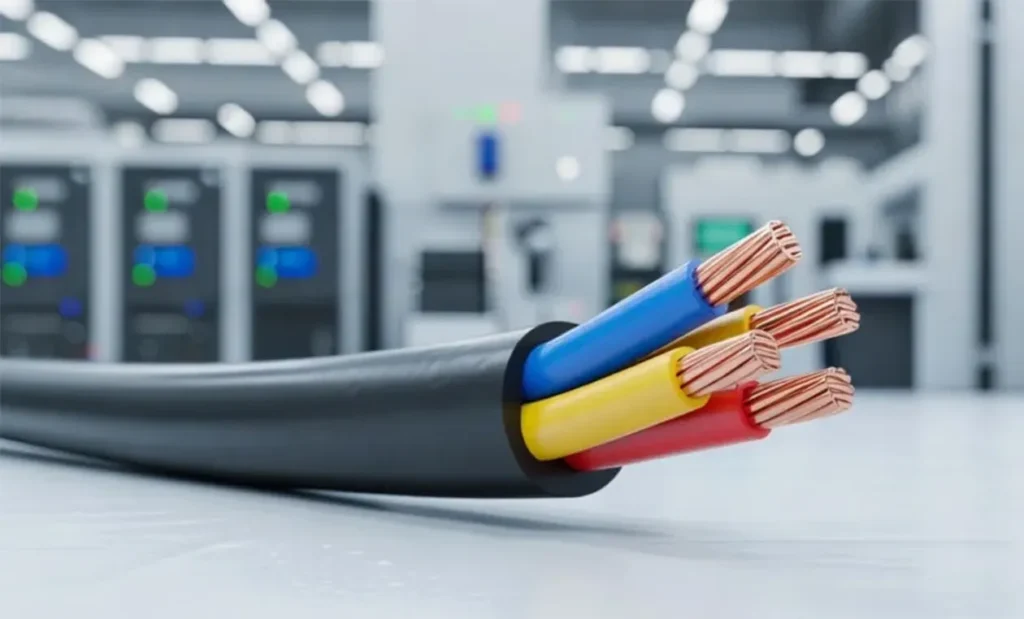
Conductor class is an important factor affecting the flexibility of electrical cables because it describes the construction and stranding characteristics of the conductor. According to IEC 60228, conductors are classified into different classes based on their construction, with Class 1 and Class 2 generally used for solid and stranded conductors, while Class 5 and Class 6 are designed for flexible applications. Higher conductor classes generally provide greater flexibility because they use finer strands and a more flexible conductor structure. However, conductor class alone does not determine the flexibility of the complete cable. Insulation material, sheath construction, conductor cross-section, cable diameter and operating conditions also influence bending performance and installation suitability.
2. Comparison of Conductor Classes and Flexibility
IEC 60228 defines conductor classes according to conductor construction and electrical characteristics. The following table summarizes their general relationship with cable flexibility.
| Conductor Class | Conductor Construction | Flexibility | Typical Application |
|---|---|---|---|
| Class 1 | Solid conductor | Lowest flexibility | Fixed wiring |
| Class 2 | Stranded conductor | Moderate flexibility | Fixed power installations |
| Class 5 | Flexible stranded conductor | High flexibility | Flexible power and control cables |
| Class 6 | Very flexible stranded conductor | Very high flexibility | Applications requiring increased flexibility |
This is a general comparison. IEC 60228 specifies conductor construction and resistance requirements; it does not establish a universal flexibility rating or minimum bending radius for complete cables.
3. Why Smaller Conductor Strands Improve Flexibility
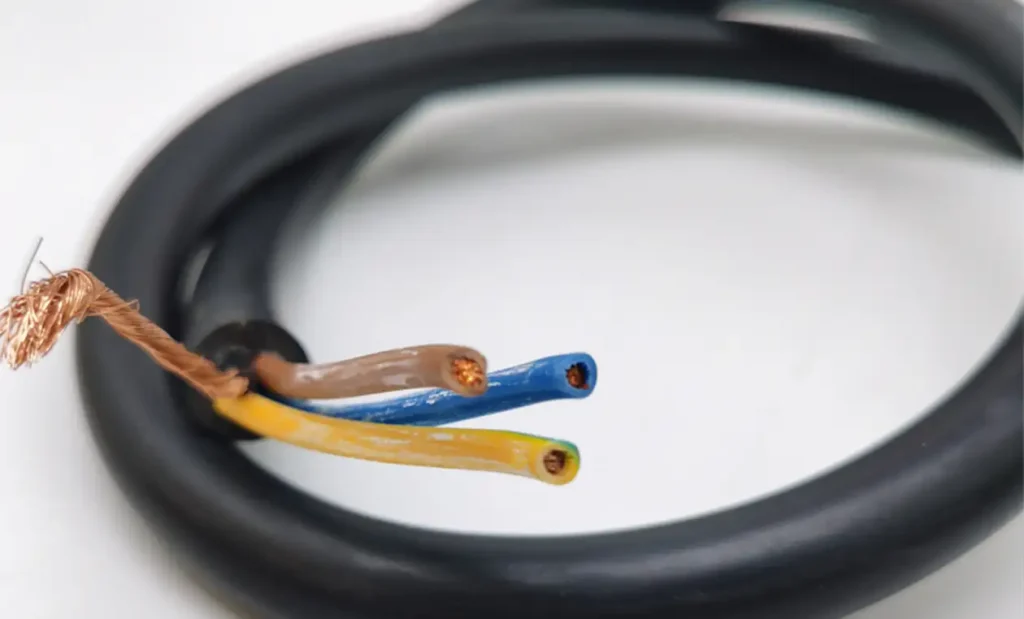
The main difference between Class 5 and Class 6 conductors is the diameter of the individual wires. For the same nominal conductor cross-section, Class 6 uses smaller-diameter wires than Class 5. This finer construction allows the conductor to accommodate bending more readily, making it suitable for applications requiring greater flexibility. However, smaller strands do not automatically guarantee better performance under repeated movement. Cable flexibility also depends on strand arrangement, conductor lay, insulation thickness, sheath material and the mechanical design of the complete cable. IEC 60228:2023 defines conductor classes and construction requirements, but does not establish a universal flexibility rating for finished cables. IEC+1
4. How Conductor Class Affects Cable Selection and Installation
When selecting an electrical cable, engineers should match conductor class to the installation’s movement requirements.
- Fixed wiring: Class 1 or Class 2 conductors are generally suitable for fixed installations where frequent bending is not required.
- Equipment connections: Class 5 conductors are commonly selected for flexible connections to industrial equipment, control panels and portable electrical devices.
- Frequent movement: Class 6 may be appropriate where greater conductor flexibility is required, but the complete cable must also be designed for the intended movement.
- Cable chains and robotics: Check the manufacturer’s dynamic-flexing rating, bending radius, travel speed and expected cycle life. Class 5 or Class 6 alone does not establish suitability for continuous flexing.
- Installation routing: Avoid sharp bends, excessive pulling tension and repeated bending at the same point, which can damage strands or insulation.
The applicable cable product standard and manufacturer’s technical datasheet should determine whether a particular conductor class is permitted for the intended application.
5. Engineering Recommendation
Conductor class is a useful starting point for cable flexibility selection, but it should not be the only selection criterion.
Class 1 is generally intended for fixed wiring, Class 2 for stranded fixed installations, Class 5 for flexible cables, and Class 6 for applications requiring a more flexible conductor construction. The final cable selection should also consider insulation and sheath materials, conductor cross-section, minimum bending radius, installation temperature, mechanical stress and movement frequency.
For industrial equipment, specify the required conductor class together with the actual installation conditions. For continuous-flex applications, request documented dynamic-flexing performance rather than assuming that a higher conductor class guarantees a longer service life.
References
[1] Wikipedia contributors. IEC 60228 [EB/OL]. 2026-03-29.