

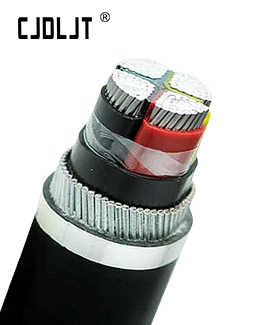
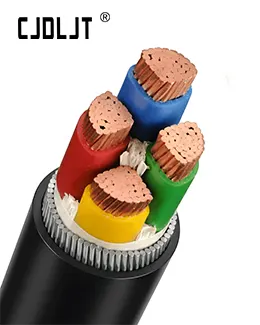
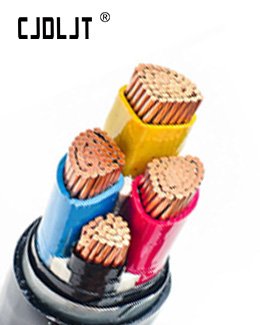
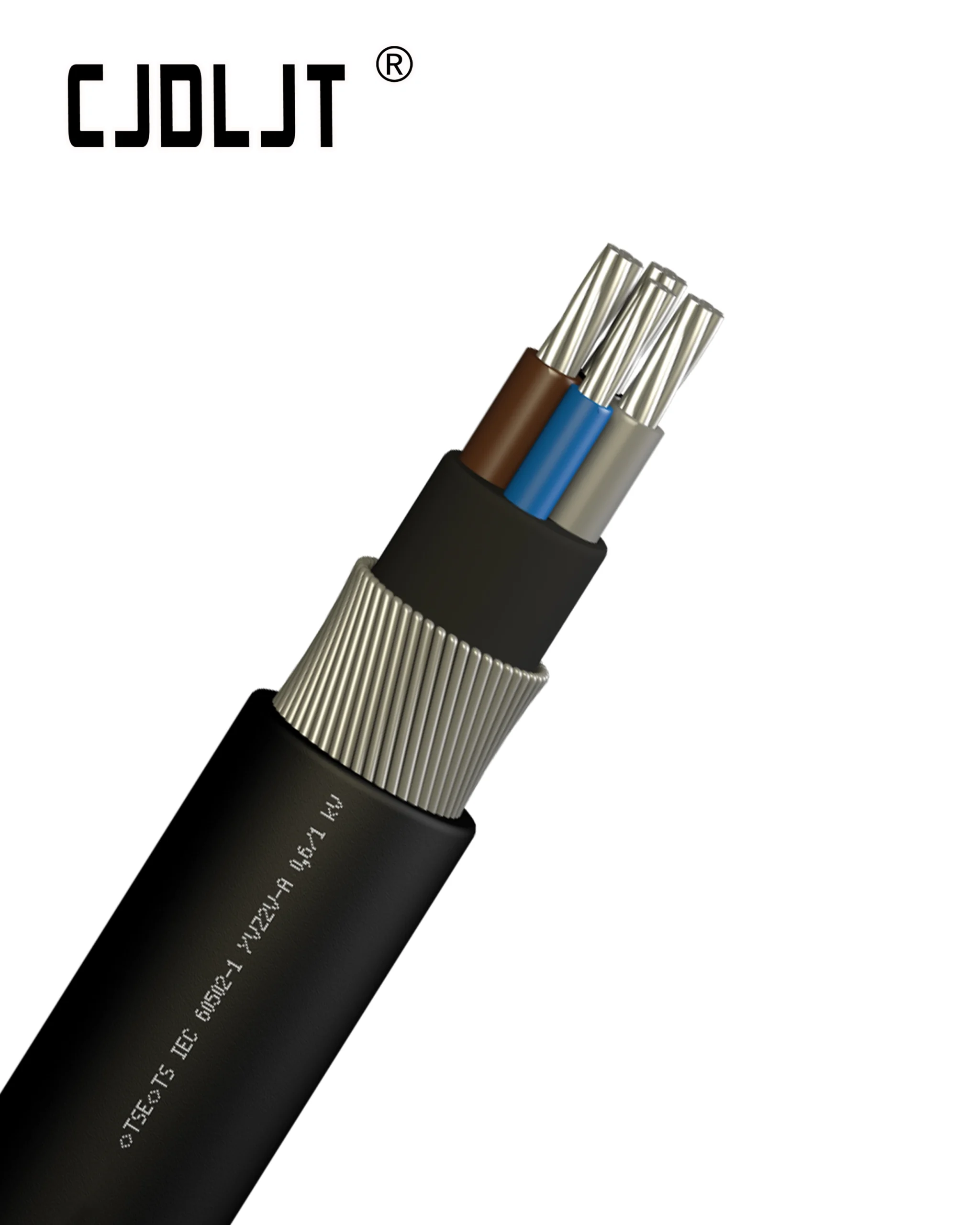

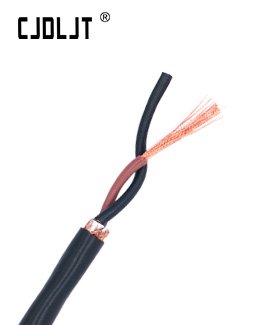

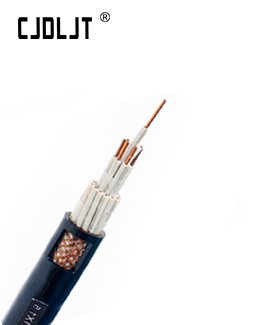
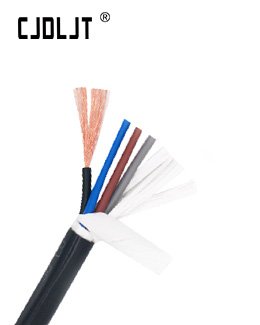
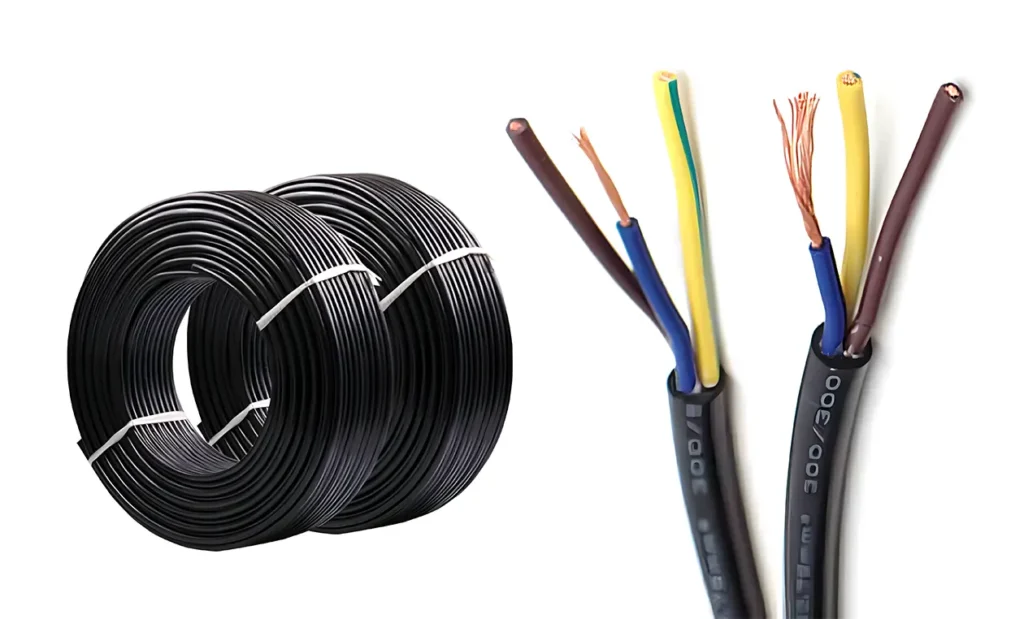
H05VV-F flexible cable can be installed inside a conduit alongside other cables, provided that strict fill capacity limits, derating factors, and voltage isolation standards are met. Rated at 300/500V under IEC 60227 / EN 50525-2-11, this light-duty PVC-insulated, PVC-sheathed cable is primarily designed for indoor mobile appliances and light mechanical stress. When installing H05VV-F in enclosed conduits with multiple circuits, heat dissipation is significantly reduced. Installers must apply thermal derating factors (IEC 60364-5-52)[1]to prevent insulation degradation, maintain a conduit fill ratio under 40%, and ensure all co-located cables share equivalent insulation voltage ratings.
Technical Specifications & Installation Parameters
The table below outlines the core operating limits and conduit installation constraints for H05VV-F flexible cables according to standard EN 50525-2-11 and IEC 60364-5-52 installation guidelines.
| Technical Parameter | Specification Limit | Installation / Engineering Consideration |
| Rated Voltage () | 300/500 V | All adjacent cables in the same conduit must be rated for at least 300/500V. |
| Conductor Construction | Class 5 Flexible Annealed Copper[2] | Requires suitable crimp ferrules or lugs before termination in screwed terminals. |
| Max. Operating Temperature | 70°C (Standard PVC) | Continuous operation above 70°C causes thermal softening of PVC insulation. |
| Max. Short-Circuit Temp. | 160°C ( 5 seconds) | Conductors must be sized to withstand prospective fault currents without insulation melt. |
| Maximum Conduit Fill Ratio | 40% (for 3+ cables) | Prevents mechanical jamming during pulling and preserves convective air space. |
| Min. Internal Bending Radius | (Overall Diameter) | Prevents sheath buckling and conductor strand displacement inside tight conduit bends. |
| Flame Retardancy Standard | IEC 60332-1-2 | Suitable for general indoor use; requires LSZH (e.g., H05Z1Z1-F) if strict fire codes apply. |
Key Engineering Constraints for Multi-Cable Conduit Runs
When pulling multiple H05VV-F cables into a single closed conduit, evaluate the following three key mechanical and electrical factors:
1. Thermal Derating and Grouping Factors
Running multiple current-carrying cables in a single conduit limits ambient heat dissipation. According to IEC 60364-5-52 (Table A.52.17)[1], current-carrying capacity must be scaled down using grouping derating factors ():
- 1 Circuit (Single Cable): Factor = 1.00
- 2 Cables in Conduit: Factor = 0.80 (20% reduction in current rating)
- 3 Cables in Conduit: Factor = 0.70 (30% reduction in current rating)
- 4 Cables in Conduit: Factor = 0.65 (35% reduction in current rating)
- 6 Cables in Conduit: Factor = 0.57 (43% reduction in current rating)
Failure to apply these derating factors will result in conductor overheating, premature PVC degradation, and potential insulation breakdown.
2. Conduit Fill Capacity and Jamming Ratios
To avoid cable damage from excessive tension during installation, adhere to standard National Electrical Code (NEC)[3]and BS 7671[4]conduit fill rules:
- 1 Cable inside Conduit: Maximum 53% internal area fill.
- 2 Cables inside Conduit: Maximum 31% internal area fill.
- 3 or More Cables inside Conduit: Maximum 40% internal area fill.
Always calculate total cross-sectional area based on the cable’s maximum overall outer diameter () including the PVC outer sheath, using the formula:
3. Voltage Segregation & Mechanical Stress
- Voltage Isolation: Never mix low-voltage power cables (H05VV-F at 300/500V) with extra-low voltage (ELV) signal or data lines (e.g., Cat6, RS-485) in the same conduit unless physical partitioning is present or all cables are insulated to the highest voltage present.
- Mechanical Protection: H05VV-F features a flexible Class 5 copper structure[2] and a light PVC outer jacket. It is not armored (non-SWA/non-STA). Conduits must be free of internal burrs and sharp edges to prevent sheath tears during pulling.
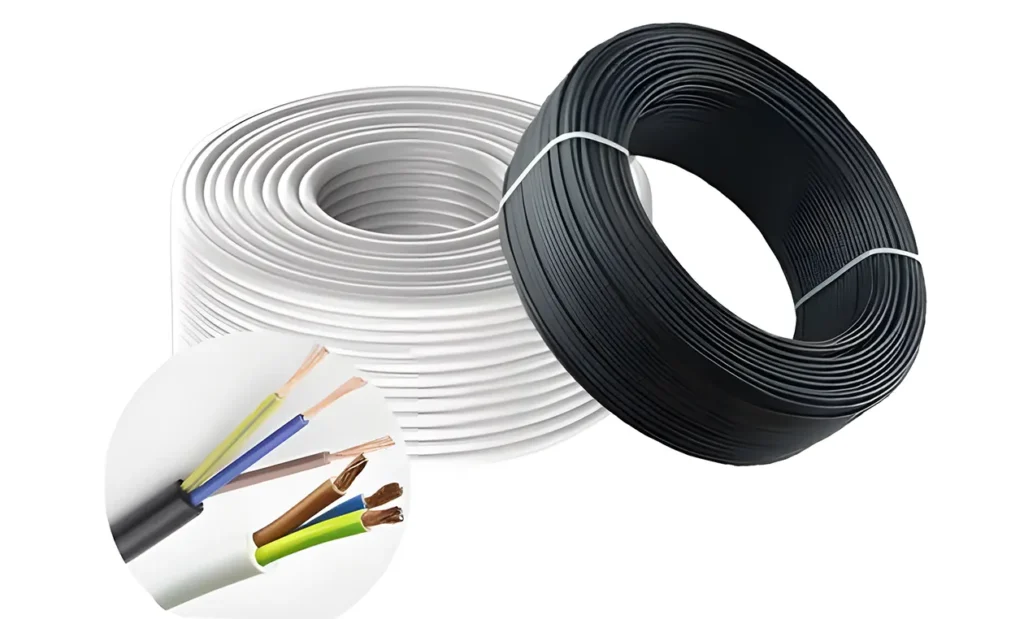
CJDL CABLE Engineering Insight
For multi-cable conduit runs, CJDL CABLE’s engineering team recommends recalculating ampacity with the IEC 60364-5-52 grouping factors and keeping conduit fill below 40% to preserve convective air space. All H05VV-F cables manufactured by CJDL CABLE are routinely tested to EN 50525-2-11, including flame retardancy per IEC 60332-1-2. In indoor distribution installations, correct application of these derating factors helps prevent premature PVC insulation ageing while maintaining circuit reliability.
References
[1] Wikipedia. IEC 60364 – Electrical installations of buildings[EB/OL]. 2026-09-30.
[2] Wikipedia. IEC 60228 – Conductors of insulated cables[EB/OL]. 2026-09-30.
[3] Wikipedia. National Electrical Code[EB/OL]. 2026-09-30.
[4] Wikipedia. BS 7671 – Requirements for Electrical Installations[EB/OL]. 2026-09-30.