

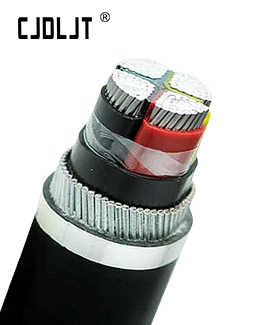
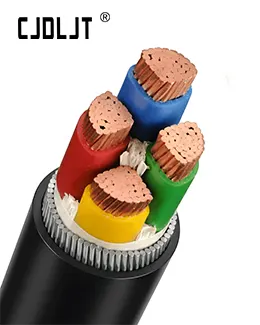
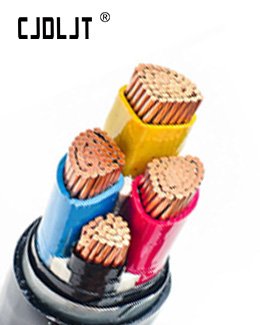
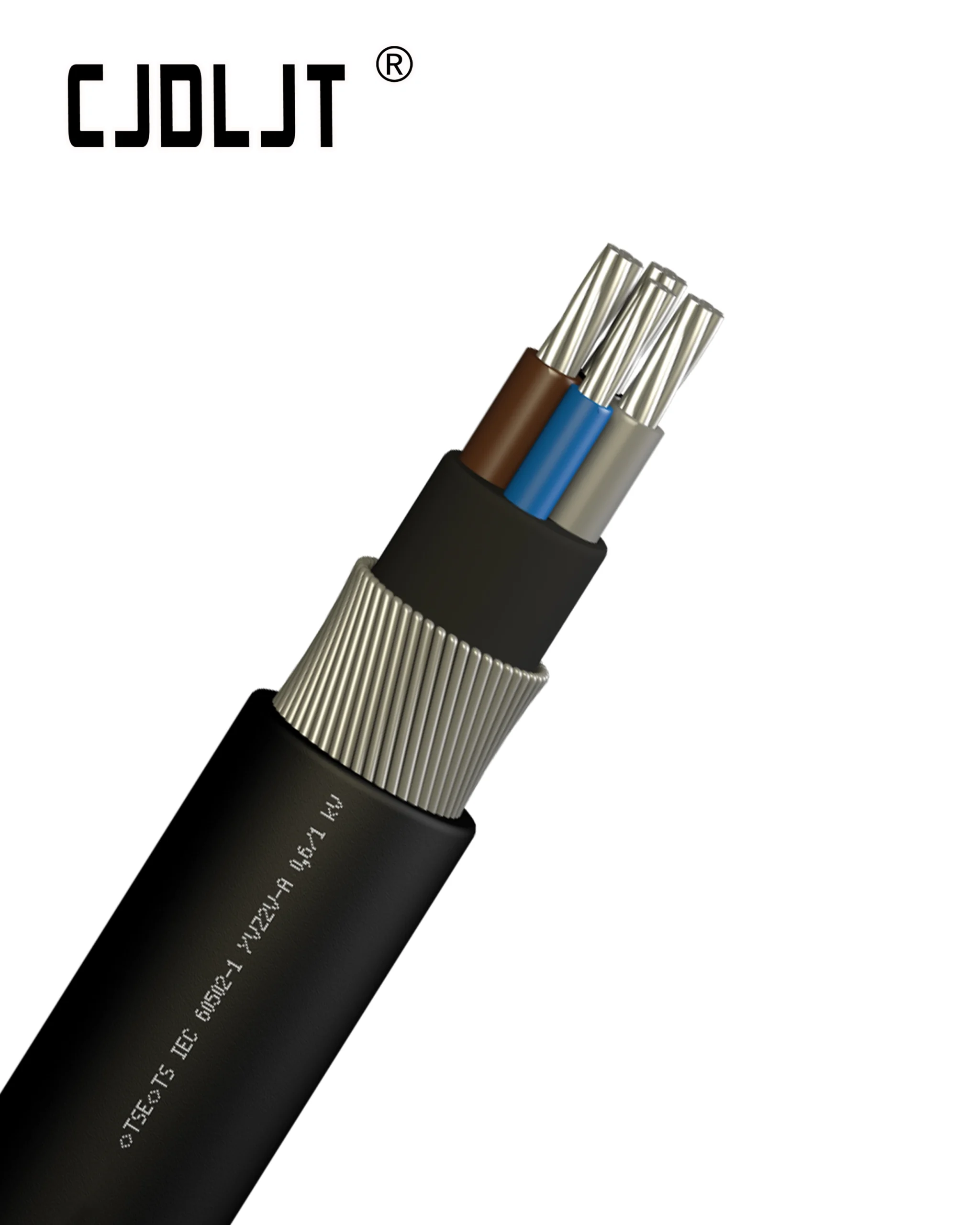

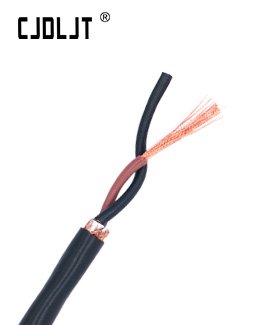

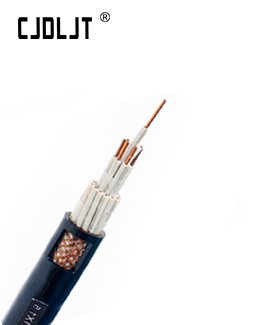
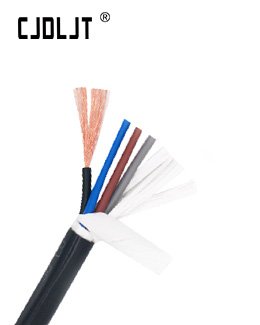
IEC 60502-1 [1] specifies the construction, dimensions, and testing requirements for extruded solid dielectric power cables with rated voltages of 0.6/1 kV (). For N2XY cables, this standard mandates a plain annealed copper conductor (Class 1 solid or Class 2 stranded per IEC 60228 [2]), cross-linked polyethylene (XLPE) insulation, an extruded inner covering or bedding, and a polyvinyl chloride (PVC) outer sheath. XLPE insulation enables a maximum continuous conductor operating temperature of 90°C and a short-circuit limit of 250°C, delivering superior current-carrying capacity compared to conventional thermoplastic insulation in low-voltage power distribution.
Technical Parameter Comparison Matrix
The table below outlines the core electrical, thermal, and mechanical construction parameters for N2XY cables engineered in full compliance with IEC 60502-1 requirements.
| Parameter | Standard / Value | Technical Details & Significance |
| Applicable Standard | IEC 60502-1 [1] | Covers non-armored cables rated 0.6/1(1.2) kV |
| Conductor Material | Plain Annealed Copper | Class 1 (solid) or Class 2 (stranded) per IEC 60228 [2] |
| Insulation Type | Cross-linked Polyethylene (XLPE) [3] | Chemically cross-linked thermosetting polymer |
| Outer Sheath Material | Flame Retardant PVC (ST2) | UV-resistant, moisture-resistant thermoplastic compound |
| Rated Voltage () | 0.6/1 kV | Maximum system voltage |
| Max. Operating Temperature | 90°C | Continuous full-load thermal limit |
| Max. Short-Circuit Temperature | 250°C | Maximum duration |
| Minimum Bending Radius | (Single-core) / (Multi-core) | Multiplied by overall cable outer diameter (OD) |
| Flame Retardancy | IEC 60332-1-2 [4] | Single vertical cable flame propagation testing |
Conductor and XLPE Insulation Specifications
Compliance with IEC 60502-1 dictates rigorous physical and thermal constraints on conductor selection and insulation processing for N2XY power cables.
- Conductor Configuration: High-conductivity plain annealed copper manufactured to IEC 60228 [2] standards. Circular shaped for cross-sections up to ; circular or sector-shaped stranded conductors for cross-sections .
- XLPE Extrusion: High-purity thermosetting XLPE [3] applied via continuous vulcanization. Cross-linking forms a three-dimensional molecular network that eliminates thermal plasticization under overload conditions.
- Thermal Endurance: Operates continuously at 90°C, permitting up to 30% higher current ratings over equivalent PVC-insulated cables (e.g., NYY).
- Dielectric Performance: Features low dielectric loss factor () and high volume resistivity, minimizing operational power dissipation across commercial and industrial mains networks.
Outer Sheath Properties and Application Scenarios
The outer PVC sheath serves as the primary barrier against environmental degradation, mechanical abrasion, and chemical attack during installation and service.
- Sheath Compound: Type ST2 PVC compound formulated for flame retardancy, UV stability, and ambient moisture resistance.
- Mechanical Defense: Provides defense against abrasion during conduit pulling, tray routing, and direct burial in non-aggressive soil environments.
- Direct Burial Installation: Permitted for direct ground installation when provided with adequate mechanical protection (e.g., concrete trenching, cable ducts, or protective tiles).
- Industrial Deployment: Designed for fixed indoor/outdoor power distribution in industrial plants, transformer substations, switchgear feeds, and municipal utility infrastructure.
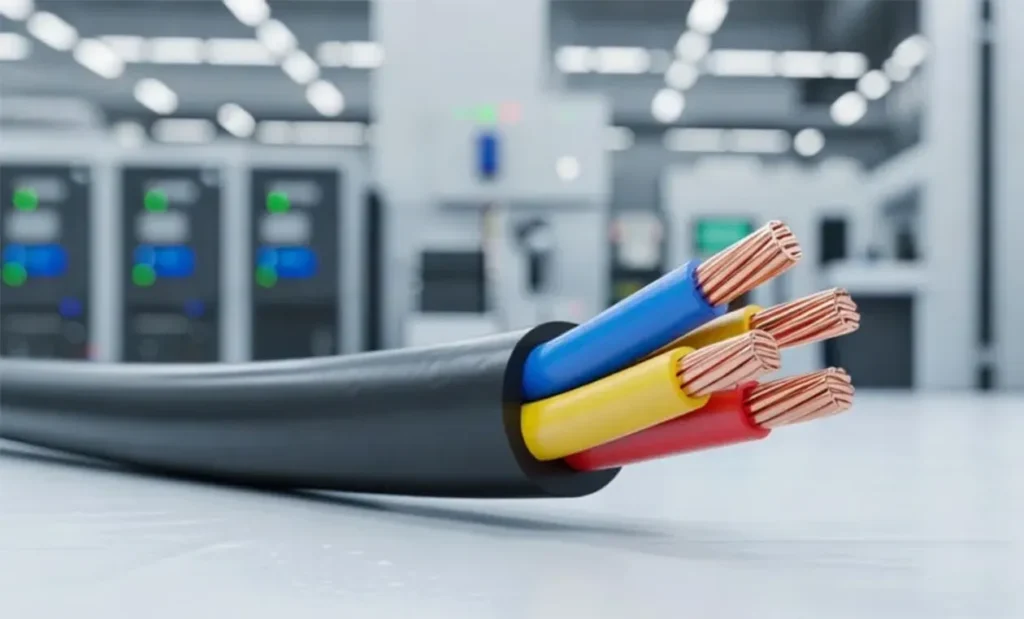
CJDL CABLE Engineering Insight
CJDL CABLE Engineering Insight: For fixed low-voltage power distribution requiring reliable continuous operation at 90 °C conductor temperature, N2XY XLPE/PVC 0.6/1 kV cables offer a balanced choice across indoor switchgear feeds, transformer substations, and municipal infrastructure. All N2XY cables are manufactured and routinely tested to IEC 60502-1 by CJDL CABLE, with conductors per IEC 60228 and flame-retardant ST2 PVC sheaths tested to IEC 60332-1-2.
References
[1] Wikipedia. IEC 60502 [EB/OL]. 2026-09-15.
[2] Wikipedia. IEC 60228 [EB/OL]. 2026-09-15.
[3] Wikipedia. Cross-linked polyethylene [EB/OL]. 2026-09-15.
[4] Wikipedia. IEC 60332 [EB/OL]. 2026-09-15.