
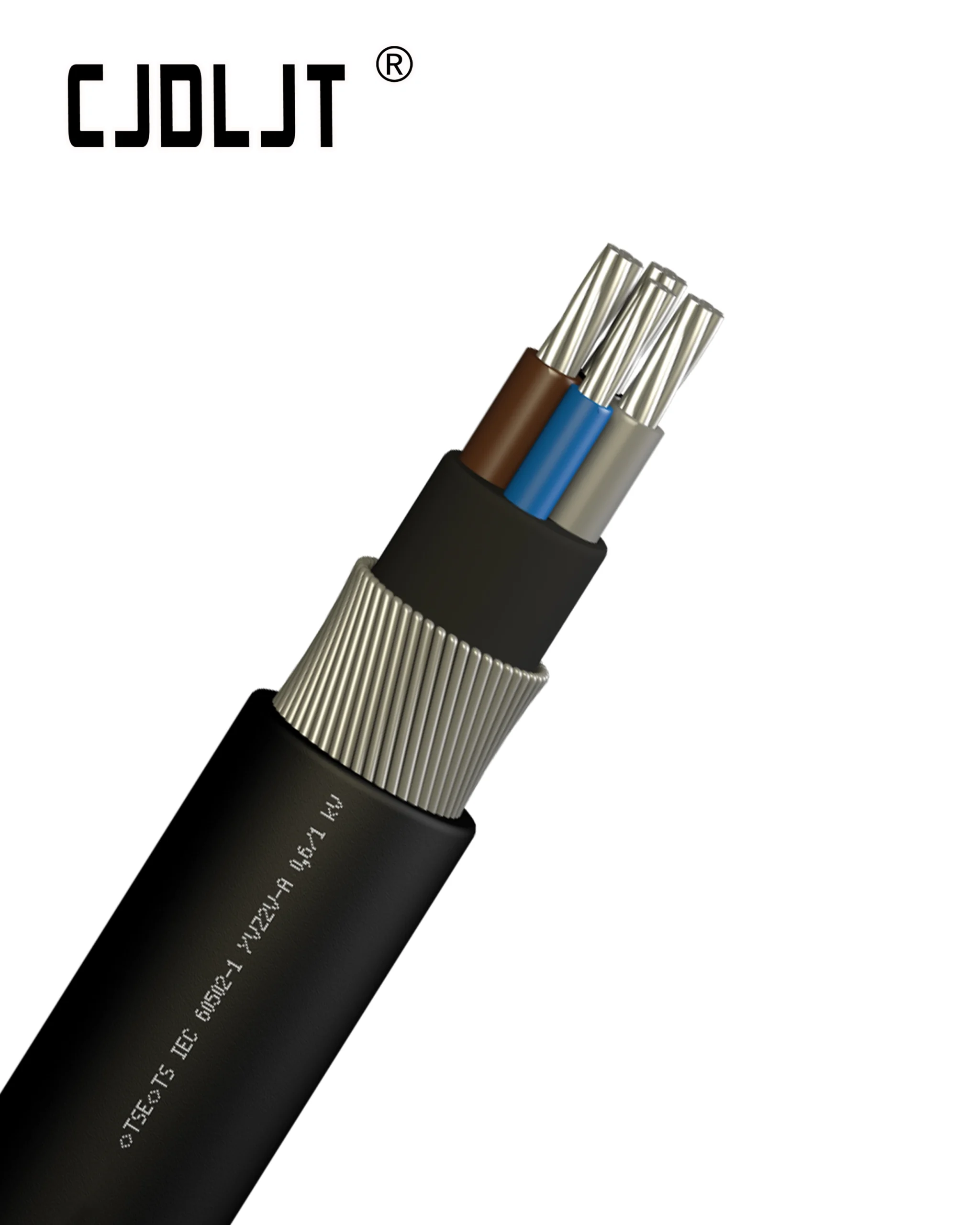
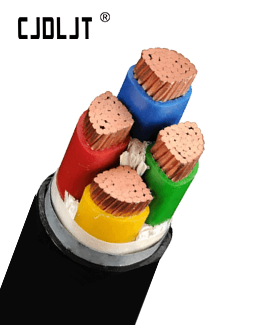

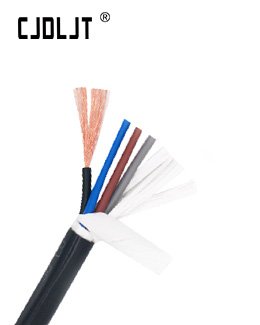
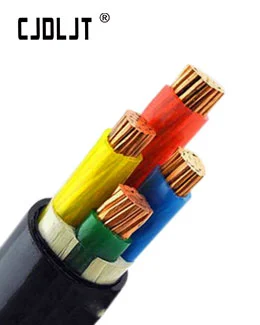
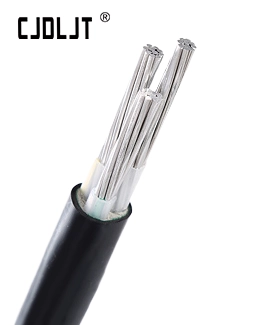

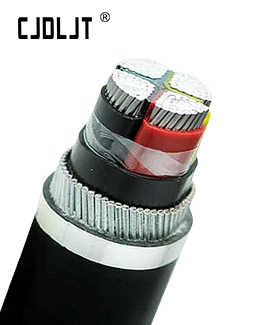
XLPE refers to the insulation material (cross-linked polyethylene). Whether a cable is armoured depends on the outer protective layer, not the insulation. Armouring (e.g., SWA, STA, AWA, ATA) provides mechanical protection for outdoor or harsh environments, while XLPE insulation can be used with both armored and unarmored constructions.
XLPE insulation offers high temperature tolerance, good dielectric properties, and moisture resistance, making it suitable for outdoor and challenging installations. Armoured configurations add a metallic layer to guard against crushing, impact, and abrasion. The combination—XLPE insulation with armor—is common for direct burial or outdoor routes, but you can also have XLPE-insulated cables without armor for indoor, controlled environments. The choice depends on environmental exposure, installation method, and durability requirements.
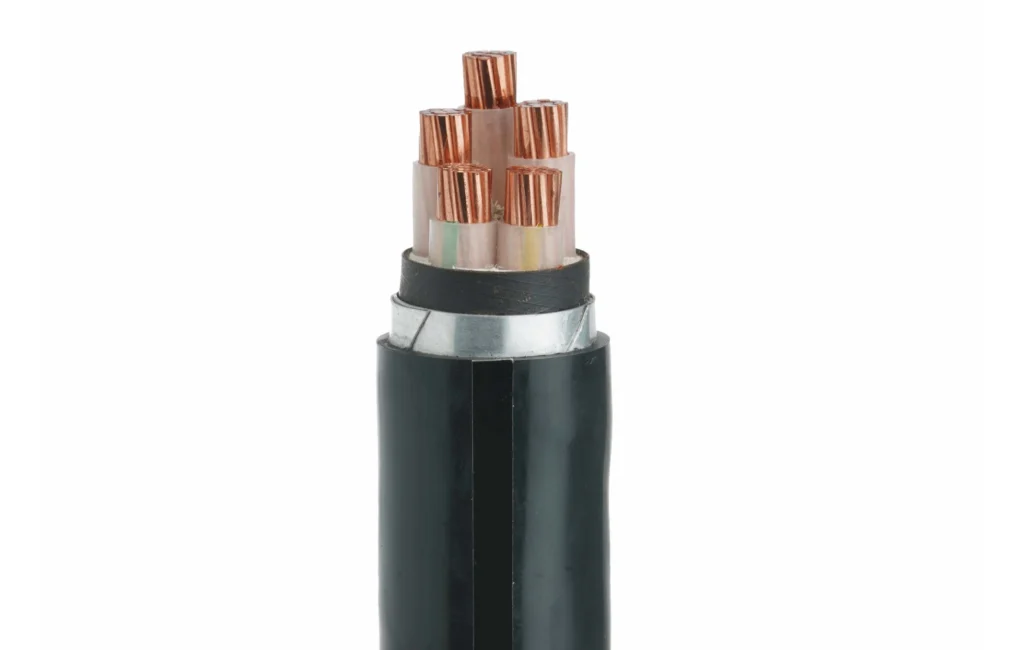
Choosing Between Armoured and Unarmoured XLPE Cables:
- Environment: outdoor, direct burial, exposure to moisture, chemicals, UV, or mechanical risk
- Mechanical demands: risk of impact, abrasion, rodent activity, or movement
- Installation: routing, bend radii, and ease of termination
- Electrical needs: voltage rating, current, and shielding requirements (if any)
- Temperature/chemicals: jacket and insulation compatibility with service conditions
- Documentation: third-party tests, certifications, and batch traceability
- Cost and maintenance: weigh initial price against life-cycle costs and maintenance needs