



LSZH Sheaths Minimise Smoke and Acid Gas Emission; PVC Offers Cost-Effective Flame Retardancy
Low Smoke Zero Halogen (LSZH) outer sheaths are formulated to produce very low levels of smoke and virtually no halogen acid gases when exposed to fire, making them the preferred choice for low-voltage power cables (0.6/1 kV) installed in public buildings, tunnels, high-rise structures, data centres, and other areas where escape routes and sensitive equipment must be protected. Conventional PVC sheaths provide good flame-retardant performance at lower cost but release dense smoke and corrosive halogen acids during combustion. Both sheath types are used with XLPE or PVC insulation under IEC 60502-1, BS 5467, and BS 6724. Selection is driven by fire safety regulations, occupancy type, and total cost of ownership rather than electrical performance.
Technical Comparison Matrix: LSZH vs PVC Outer Sheaths
| Parameter | LSZH Sheath | PVC Sheath | Relevant Standard |
|---|---|---|---|
| Smoke density | Very low | High | IEC 61034 |
| Halogen acid gas emission | Negligible (Zero Halogen) | High (HCl and other acids) | IEC 60754-1 / IEC 60754-2 |
| Flame propagation resistance | Good to excellent (compound dependent) | Good | IEC 60332-1 / IEC 60332-3 |
| Corrosivity of combustion gases | Very low | High | IEC 60754 |
| Toxicity of combustion products | Low | Higher | Application / local codes |
| Mechanical toughness | Generally good; can be more sensitive to abrasion | Excellent | IEC 60502-1 |
| Flexibility | Good | Very good | Installation practice |
| UV and weather resistance | Compound dependent (often requires additives) | Good with proper formulation | Outdoor use |
| Cost | Higher | Lower | Market data |
| Typical standards | BS 6724, IEC 60502-1 LSZH variants | IEC 60502-1, BS 5467 | — |
| Preferred applications | Public buildings, tunnels, data centres, ships | Industrial, outdoor, cost-sensitive fixed wiring | Fire risk assessment |
Fire Performance Requirements and Test Methods
Fire performance of LV power cable sheaths is evaluated through a series of internationally recognised tests:
- Flame propagation: IEC 60332-1 (single vertical cable) and IEC 60332-3 (bunched cables). Both LSZH and PVC compounds can be formulated to meet these requirements.
- Smoke density: IEC 61034 measures light transmission in a 3 m³ chamber. LSZH materials are designed to maintain high light transmittance.
- Halogen acid gas emission: IEC 60754-1 (total halogen) and IEC 60754-2 (acidity/conductivity). True LSZH compounds produce less than the defined limits for acid gas.
- Additional national or project-specific requirements may include toxicity indices or oxygen index measurements.
Cables meeting the full suite of low-smoke and zero-halogen criteria are commonly designated as LSZH, LSOH, or OHLS, depending on regional terminology.
Construction Implications of Sheath Material
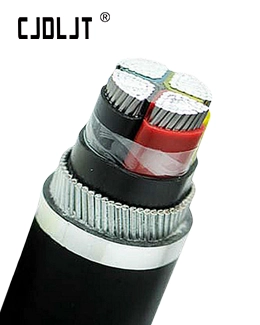
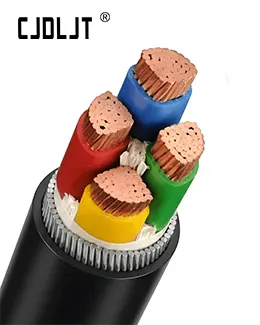
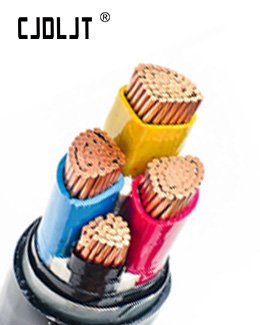
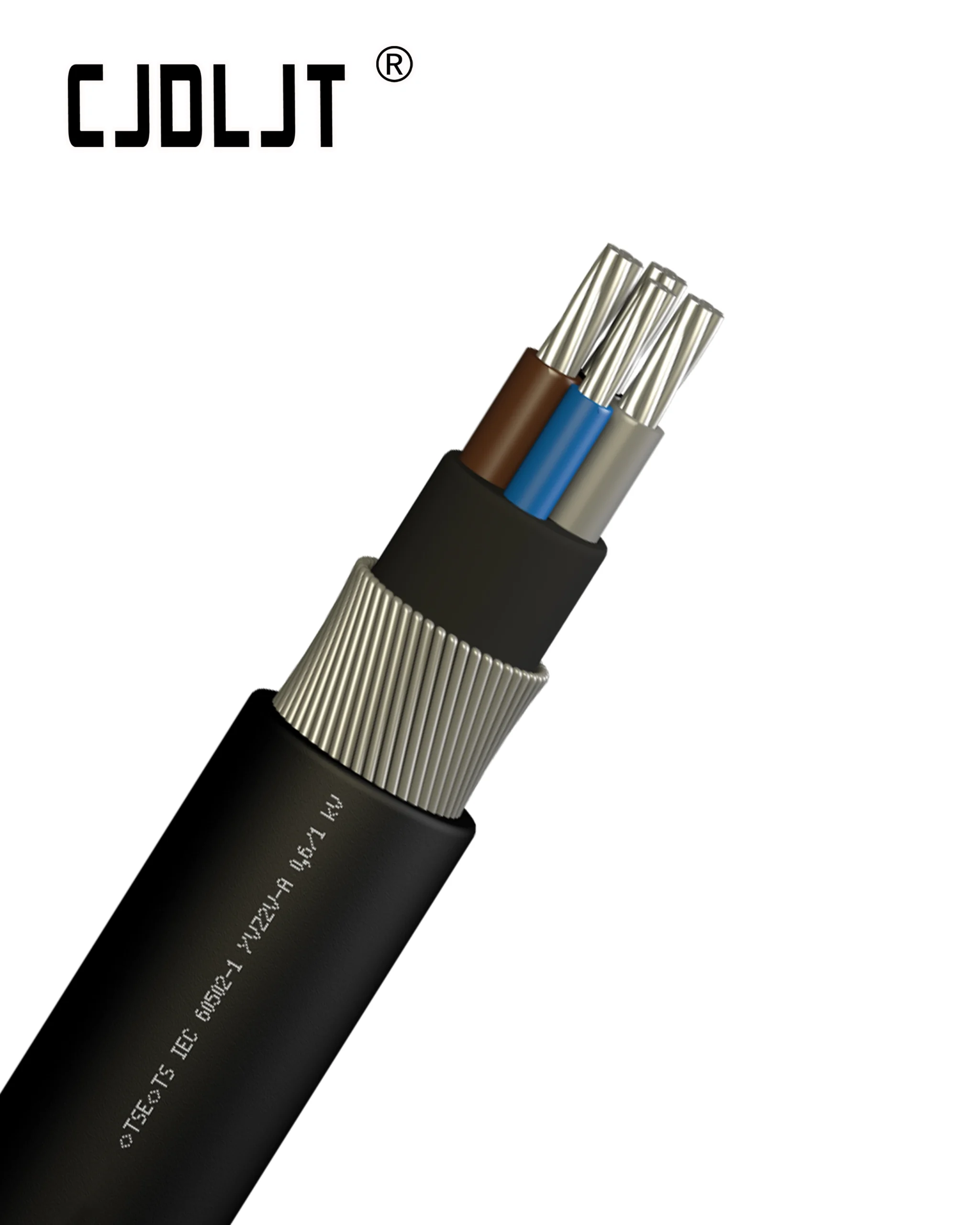
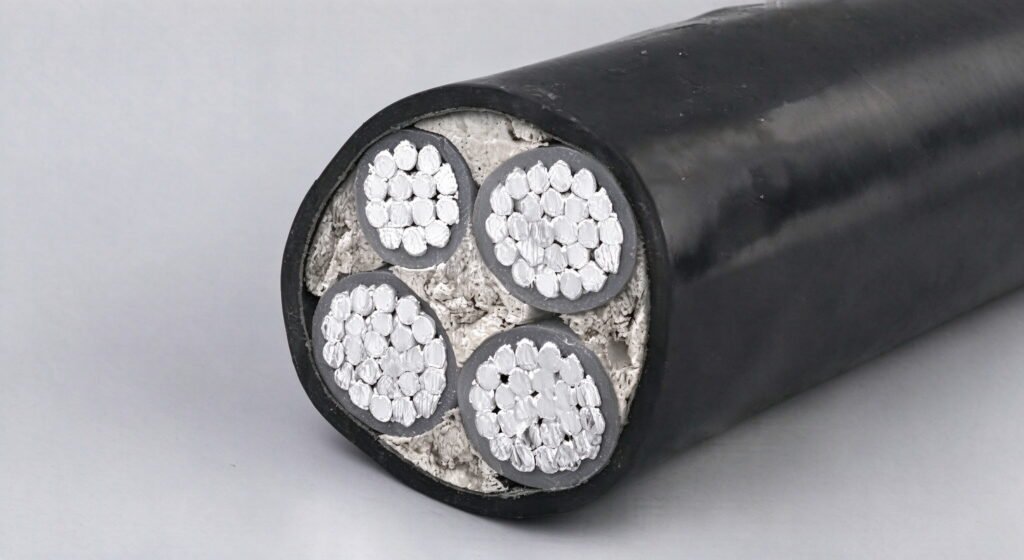
The choice of outer sheath does not change the fundamental cable construction defined in IEC 60502-1 or BS 5467:
- Conductor: Annealed copper or aluminium (Class 1 or Class 2)
- Insulation: XLPE (90°C) or PVC (70°C)
- Bedding / inner covering
- Armour (SWA or AWA where required)
- Outer sheath: PVC or LSZH compound
When LSZH is specified, both the bedding and the outer sheath are normally LSZH materials to ensure the complete cable meets smoke and halogen requirements. Armoured LSZH cables are typically manufactured to BS 6724 or equivalent IEC 60502-1 constructions.
Application Selection Guidelines
Specify LSZH sheath when:
- The installation is in a public or high-occupancy building
- Escape routes, corridors, or stairwells must remain visible in a fire
- Sensitive electronic equipment or corrosion-sensitive environments are present (data centres, control rooms, hospitals)
- Local regulations or project specifications mandate low smoke and zero halogen performance
- Tunnels, mass transit systems, or ships are involved
PVC sheath remains appropriate when:
- The installation is industrial, outdoor, or in low-occupancy areas
- Cost is a primary constraint and fire risk to people or critical systems is low
- Mechanical robustness and abrasion resistance are prioritised
- No specific low-smoke or zero-halogen requirement exists in the fire risk assessment
Interaction with Insulation Type
LSZH sheaths are most commonly paired with XLPE insulation for optimal thermal performance (90°C continuous). PVC-insulated cables with LSZH sheaths are also available but less common. The sheath material itself does not determine the cable’s current-carrying capacity; that is governed by the insulation temperature rating, conductor size, and installation conditions.
Standards Overview
- IEC 60502-1: Core construction and testing standard for extruded insulation power cables up to 30 kV (LV portion 0.6/1 kV).
- BS 5467: Armoured cables with thermosetting insulation (primarily XLPE) and PVC sheath.
- BS 6724: Armoured cables with thermosetting insulation and LSZH sheath.
- IEC 60332 series: Flame propagation tests.
- IEC 61034: Smoke density measurement.
- IEC 60754 series: Halogen acid gas emission and acidity.
Practical Considerations for Specifiers
When selecting between LSZH and PVC sheathed LV cables, evaluate:
- Results of the project fire risk assessment
- Requirements of the national wiring regulations and building codes
- Need for armour (SWA/AWA) and the corresponding standard (BS 5467 vs BS 6724)
- Long-term mechanical exposure (LSZH compounds can be more susceptible to certain oils or prolonged abrasion)
- Total installed cost, including any requirement for additional fire protection measures if PVC is used in higher-risk areas
LSZH sheathed low-voltage power cables provide a measurable improvement in life safety and equipment protection during fire events by limiting smoke obscuration and corrosive gas release. PVC sheathed cables remain a technically sound and economical solution for applications where these specific fire performance attributes are not required. Final selection must align with the applicable standards (IEC 60502-1, BS 5467, or BS 6724) and the fire safety strategy of the installation.
References
[1] Wikipedia. Zero halogen cable [EB/OL]. 2026-10-30.
[2] Wikipedia. Polyvinyl chloride [EB/OL]. 2026-10-30.
[3] Wikipedia. IEC 60502 [EB/OL]. 2026-10-30.