



Armored Cables: Steel Tape Armor (STA) vs. Steel Wire Armor (SWA)
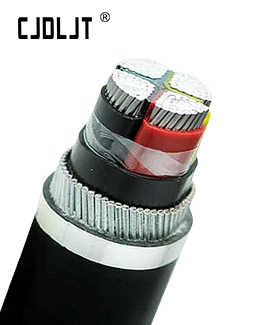
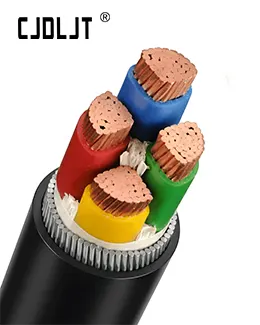
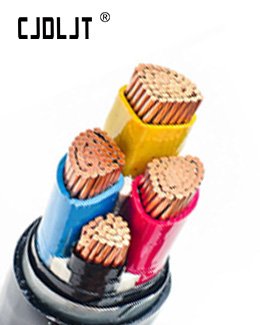
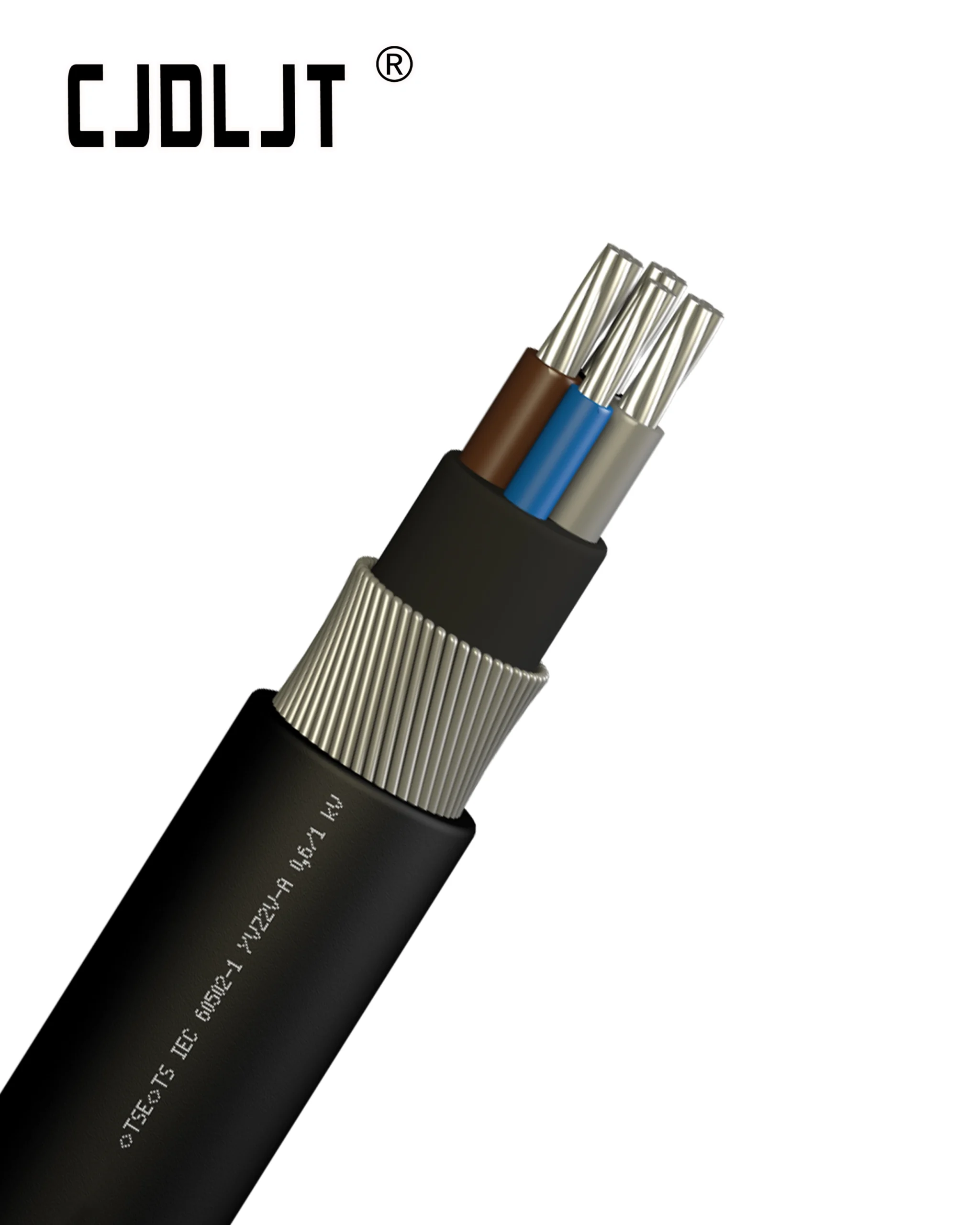
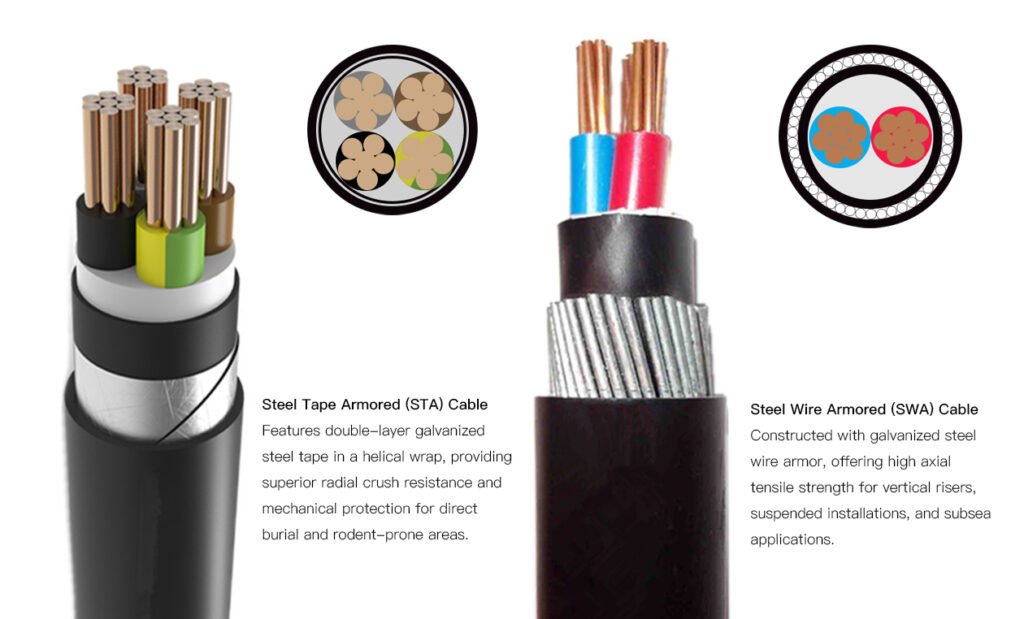
The fundamental difference between Steel Tape Armor (STA) and Steel Wire Armor (SWA) lies in their mechanical protection profiles. STA uses overlapping helical steel tapes to provide superior radial protection against crushing forces and rodent penetration. SWA utilizes a layer of galvanized steel wires wound helically around the inner bedding to deliver high axial tensile strength, allowing the cable to withstand longitudinal pulling forces and vertical suspension.
Manufacturing and testing of these armored layers strictly comply with international standards such as IEC 60502-2, BS 5467, and VDE 0276, governing the protective parameters for XLPE or PVC insulated power cables.
Technical Parameter Comparison Matrix
The table below outlines the material properties, mechanical performance limitations, and structural behavior of STA and SWA under operational stress.
| Technical Parameter | Steel Tape Armor (STA) | Steel Wire Armor (SWA) |
| Primary Mechanical Defense | High crushing resistance (Radial force protection) | High tensile strength (Axial/Longitudinal tension) |
| Armor Material & Structure | Double layer of galvanized steel tape (helical wrap) | Single or double layer of galvanized steel wires |
| Flexibility & Bending Radius | Lower flexibility; Bending radius generally 15x OD | Higher flexibility; Bending radius generally 12x OD |
| Weight Profile | Lighter overall cable weight per meter | Significantly heavier due to solid wire volume |
| Corrosion Resistance | Moderate; tape edges can be vulnerable if jacket fails | High; thick zinc coating on individual structural wires |
| Common Cable Types | VV22, YJV22 (IEC/China Standards) | BS 5467, BS 6724, YJV32 (UK/Global Standards) |
Application Scenarios & Engineering Selection Guide
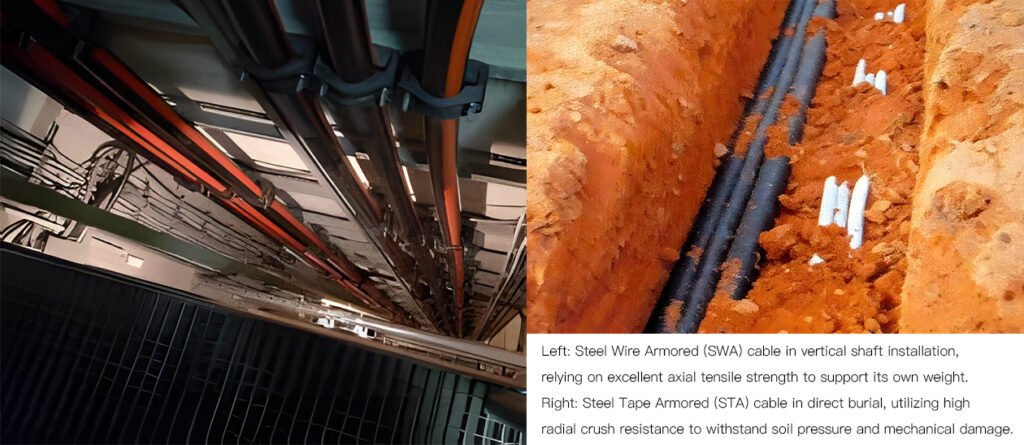
Steel Tape Armor (STA) Optimal Scenarios
- Direct Buried Underground: Ideal for standard trench installations where soil compaction, shifting rocks, or heavy surface traffic create severe localized crushing risks.
- Rodent-Infested Zones: The continuous overlapping barrier of double steel tape prevents rats, termites, and gophers from chewing through the inner XLPE insulation.
- Horizontal Indoor/Conduit Runs: Used in cable trenches and ducts where the cable is supported continuously and experiences zero longitudinal tension.
Steel Wire Armor (SWA) Optimal Scenarios
- Vertical Shafts and High-Rise Risers: Essential for installations spanning multiple floors vertically, where the cable must support its own dead weight without stretching the conductors.
- Subsea and River Crossings: Deployed in underwater environments where strong currents, shifting beds, and deep-sea pulling winches exert extreme axial stress.
- Deep Underground Mining: Chosen for mine shafts and bored wells where cables are suspended over long distances or pulled through high-friction conduits.