

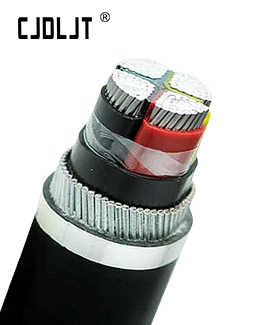
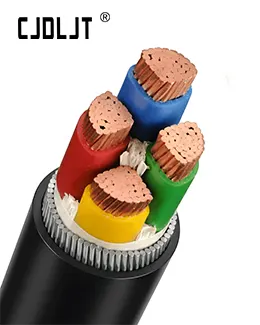
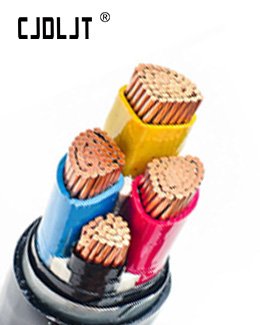
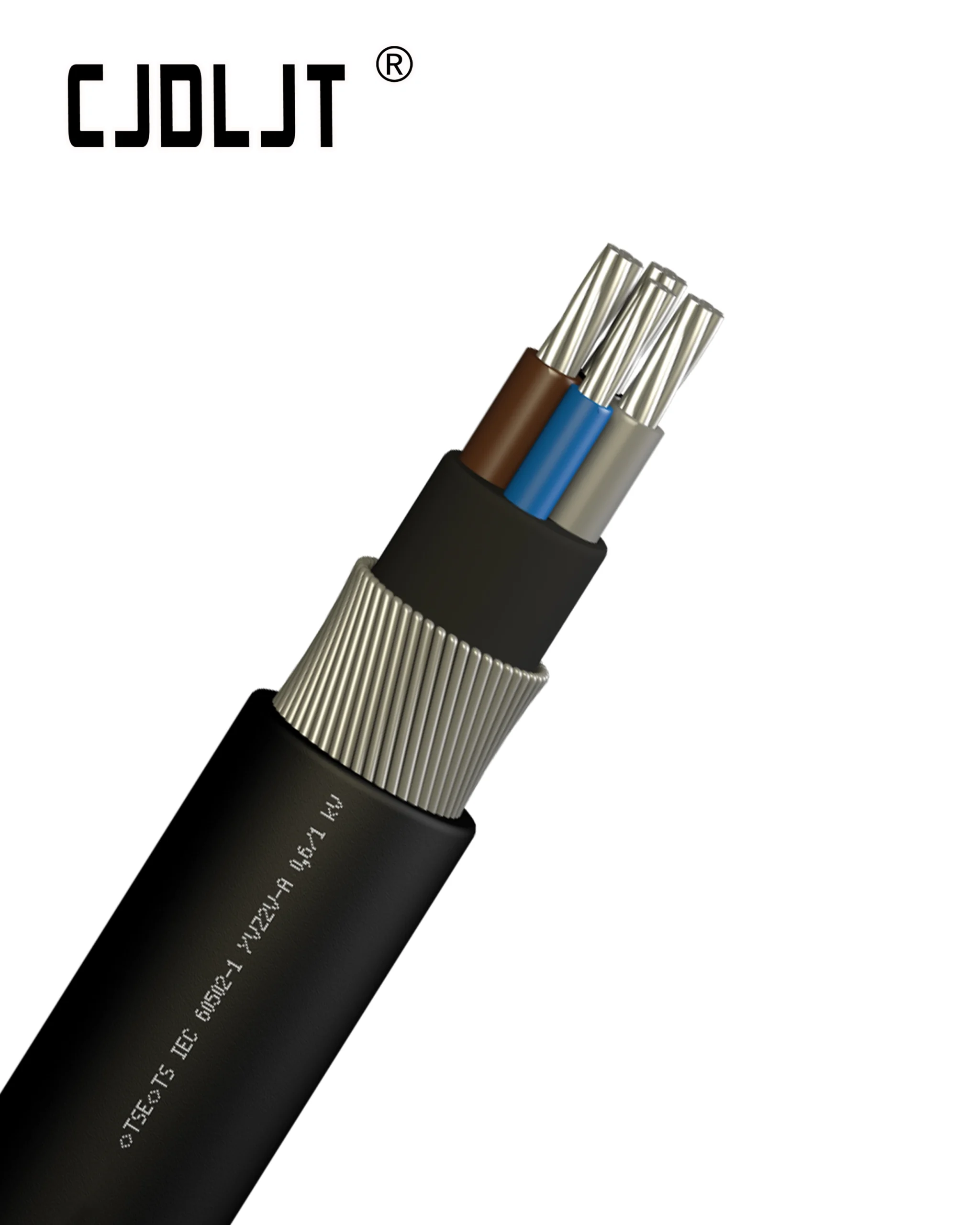


N2XY and N2XBY are IEC 60502-1 compliant [1] 0.6/1kV power cables designed for fixed electrical installations. The critical difference lies in mechanical protection: N2XY is an unarmoured cable suitable for indoor tray, conduit, or protected direct burial applications, whereas N2XBY incorporates double steel tape armour (STA) over an inner sheath, providing high resistance to mechanical stress and crushed impacts for direct underground burial. Both feature plain annealed copper conductors [2], Cross-linked Polyethylene (XLPE) insulation rated for a maximum continuous operating temperature of 90°C [3], and a flame-retardant Polyvinyl Chloride (PVC) outer sheath [4].

Technical Comparison Matrix
| Parameter / Feature | N2XY Cable | N2XBY Cable |
| Standard Compliance | IEC 60502-1 [1], VDE 0276-603 | IEC 60502-1 [1], VDE 0276-603 |
| Rated Voltage () | 0.6/1 kV (1.2 kV maximum) | 0.6/1 kV (1.2 kV maximum) |
| Conductor Material | Plain Annealed Copper (Class 1 solid / Class 2 stranded) [2] | Plain Annealed Copper (Class 1 solid / Class 2 stranded) [2] |
| Insulation Material | Cross-linked Polyethylene (XLPE) [3] | Cross-linked Polyethylene (XLPE) [3] |
| Inner Bedding / Sheath | Extruded PVC / Fillers | Extruded PVC / Rubber Compound |
| Armour Layer | None (Unarmoured) | Double Steel Tape Armour (STA / “B”) |
| Outer Sheath Material | Flame-Retardant PVC (Type ST2) [4] | Flame-Retardant PVC (Type ST2) [4] |
| Max. Conductor Temperature | 90°C (Continuous) / 250°C (Short circuit 5s) | 90°C (Continuous) / 250°C (Short circuit 5s) |
| Mechanical Impact Resistance | Low (Requires external conduit/protection) | High (Direct mechanical impact and crush resistant) |
| Primary Installation Environment | Cable trays, ducts, indoor conduits, outdoors (protected) | Direct underground burial, harsh industrial ground |
Structural Breakdown and VDE Designation Code
Understanding the German VDE cable code structure clarifies the exact physical differences between these two cable construction types:
- N: Standardized cable type according to VDE standard.
- 2X: Cross-linked polyethylene (XLPE) conductor insulation [3].
- B: Double steel tape armour (STA), providing continuous radial mechanical protection against crushing forces.
- Y: Polyvinyl chloride (PVC) sheath material [4].
While N2XY consists of Copper Conductor / XLPE Insulation / Inner Bedding / PVC Sheath, N2XBY inserts the steel tape armour layer (“B”) directly beneath the outer PVC sheath (“Y”).
Mechanical Protection and Armour Capabilities
Mechanical performance governs selection between N2XY and N2XBY in low-voltage infrastructure projects:
- N2XY (Unarmoured): Offers minimal protection against localized crush loads, sharp tools, or rodential damage. Direct burial is only permitted when additional civil protection—such as concrete ducts, rigid PVC pipes, or protective tiles—is implemented.
- N2XBY (Steel Tape Armoured): The double helical steel tape layer absorbs high static and dynamic ground pressures. It is optimized for direct burial in harsh backfill materials where stones, soil shifting, or heavy surface vehicle traffic impose continuous mechanical force.

Current Carrying Capacity and Thermal Limits
Both cables share identical current-carrying capacities () for equivalent conductor cross-sectional areas due to identical thermal limitations:
- Continuous Operating Limit: 90°C
- Emergency Overload Limit: 130°C
- Short-Circuit Limit: 250°C (maximum duration 5 seconds)
However, the steel tape layer in N2XBY introduces minor eddy current losses under alternating current (AC) operation. For multi-core N2XBY cables, balanced three-phase magnetic fields cancel out significant induced losses. For single-core applications, non-magnetic metallic armour (such as aluminum tape) must be used instead of steel tape to prevent excessive thermal derating.
Recommended Application Scenarios
Selecting between N2XY and N2XBY depends strictly on installation layout and mechanical vulnerability:
- Specify N2XY for: Indoor power distribution panels, commercial building cable risers, industrial cable trays, suspended raceways, and outdoor installations routed inside rigid conduit systems.
- Specify N2XBY for: Direct underground burial in utility networks, industrial plant main feeder lines, outdoor lighting networks without duct banks, and environments subject to mechanical stress or burrowing animals.
CJDL CABLE Engineering Insight: The choice between N2XY and N2XBY should follow the installation layout — N2XY suits indoor tray and conduit runs, while N2XBY’s double steel tape armour is the practical option for direct underground burial. All CJDL CABLE power cables are manufactured and routinely tested to IEC 60502-1. In our utility and industrial supply projects, N2XBY has been the standard recommendation for mechanically demanding ground conditions.
References
[1] Wikipedia. IEC 60502 [EB/OL]. 2026-09-10.
[2] Wikipedia. IEC 60228 [EB/OL]. 2026-09-10.
[3] Wikipedia. Cross-linked polyethylene [EB/OL]. 2026-09-10.
[4] Wikipedia. Polyvinyl chloride [EB/OL]. 2026-09-10.