

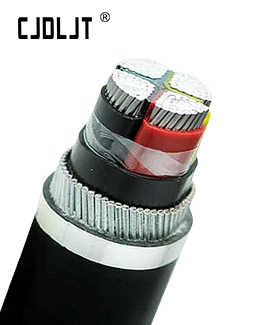
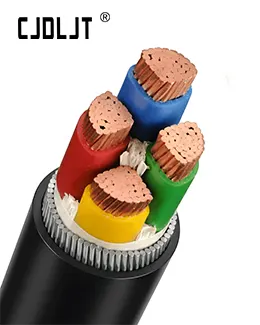
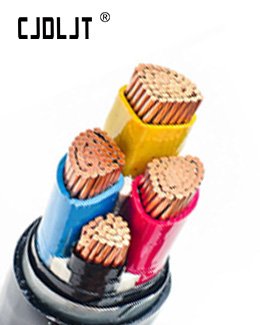
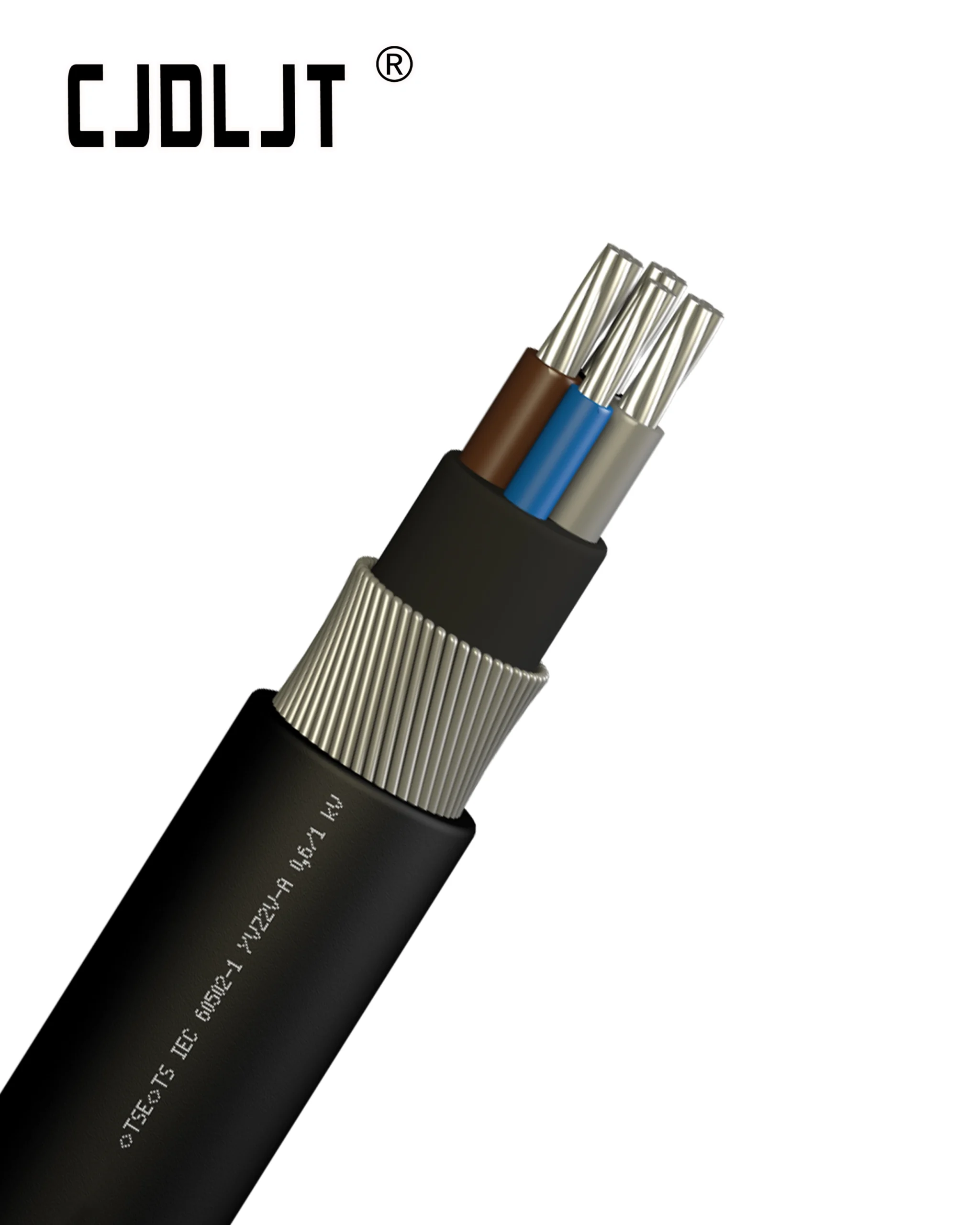

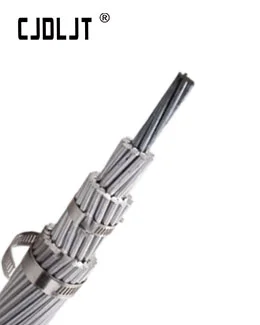
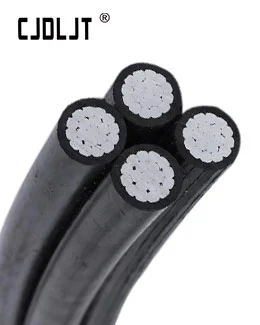

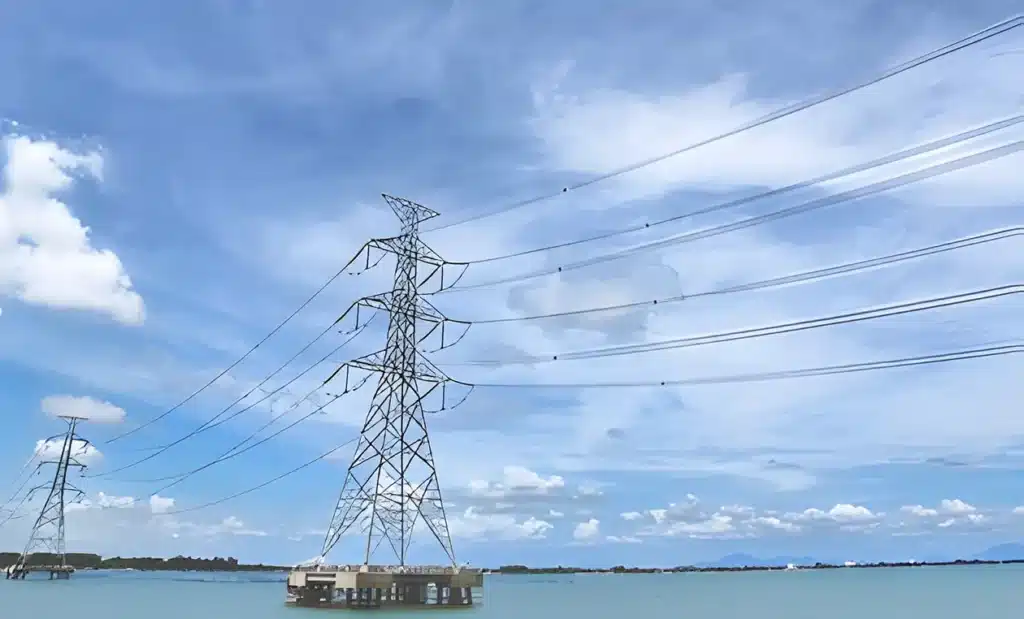
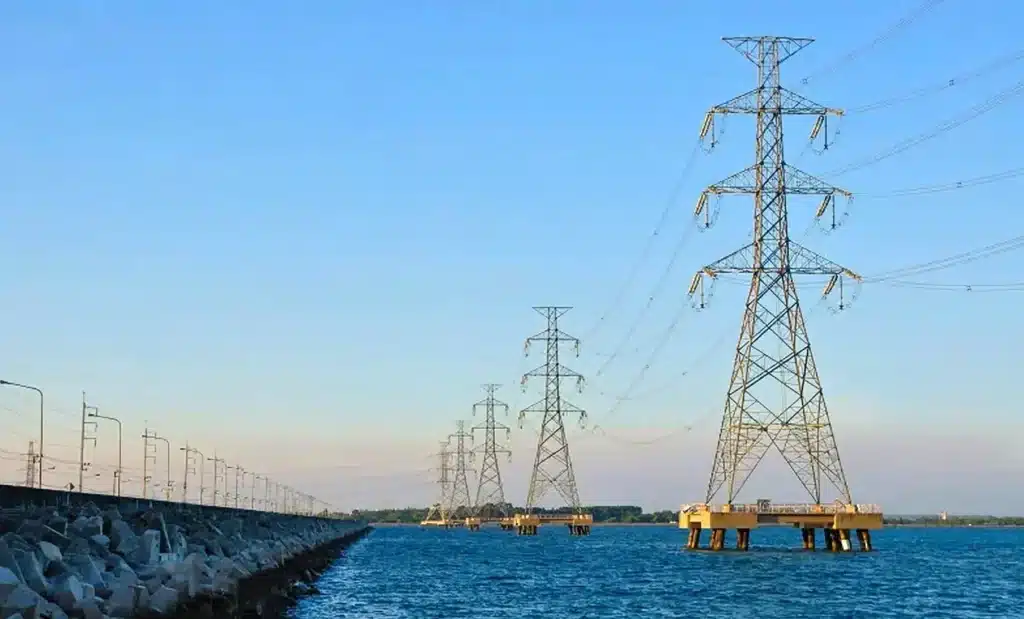
Selecting overhead conductors for coastal and marine environments requires prioritizing high electrochemical corrosion resistance, high tensile strength, and robust outer insulation to combat severe salt-fog deposition, high humidity, and airborne salinity. The primary engineering challenge is mitigating galvanic corrosion between dissimilar metals (e.g., aluminum and steel) and preventing pitting or stress-corrosion cracking. Optimal selection dictates the use of All-Aluminum Alloy Conductors (AAAC – 6201 alloy) [1]or Aluminum-Clad Steel Reinforced (ACSR/AS) conductors [2], paired with track-resistant, weather-resistant cross-linked polyethylene (WR-XLPE) insulation for covered lines, complying with standards such as IEC 61089 [3], ASTM B398, and IEEE 738.
Technical Parameter Comparison Matrix
| Conductor Type | Core Material | Corrosion Resistance | Tensile Strength | Primary Standards | Best Application Scenario |
| AAAC (6201-T81) | Aluminum-Magnesium-Silicon Alloy | Excellent (Homogeneous metal, minimal galvanic risk) | Moderate-High | IEC 61089, ASTM B398/B399 | Coastal distribution lines with moderate span lengths and high salinity. |
| ACSR/AS | Aluminum-Clad Steel Core + Aluminum Strands | High (Clad steel protects against rust) | Very High | ASTM B549, IEC 61089 | Long-span coastal river or sea crossings requiring high mechanical load. |
| AAC | Pure Aluminum (1350) | Good (No dissimilar metals) | Low | IEC 61089, ASTM B231 | Short spans, low mechanical stress, high salinity zones. |
| Standard ACSR | Galvanized Steel Core + Aluminum Strands | Poor to Moderate (Galvanized coating degrades rapidly in salt spray) | Very High | IEC 61089, ASTM B232 | Inland use; avoid direct marine exposure unless heavily greased. |
Metallurgical Selection and Galvanic Corrosion Prevention
In salt-laden atmospheres, moisture acts as an electrolyte, accelerating galvanic corrosion when dissimilar metals are in direct contact. Standard Aluminum Conductor Steel Reinforced (ACSR) uses zinc-galvanized steel cores; once the zinc coating breaches, galvanic action destroys the surrounding aluminum strands.
- AAAC Conductors: Composed entirely of 6201 aluminum-magnesium-silicon alloy, eliminating dissimilar metal contacts and offering uniform corrosion resistance.
- ACSR/AS Solutions: If high tensile strength is mandatory for long spans, specify Aluminum-Clad Steel Reinforced conductors, where the steel core is metallurgically bonded with an aluminum protective layer to prevent core rusting.
- Corrosion Inhibiting Grease: For severe marine zones, inner strands should be filled with high-drop-point synthetic grease compliant with ASTM B711 to block moisture ingress.
Insulation and Weather-Resistant Jacketing
Overhead lines in coastal zones suffer from conductive salt crusting that triggers surface tracking, corona discharge, and power flashovers. When choosing covered conductors or aerial bundled cables (ABC), the outer insulation must feature high tracking resistance and ultraviolet (UV) stabilization.
- WR-XLPE Material: Weather-Resistant Cross-Linked Polyethylene embedded with specialized carbon black provides exceptional resistance to environmental stress cracking (ESSC).
- Thermal and Salt Stability: WR-XLPE withstands thermal aging under intense solar radiation and degradation caused by salt-fog electrical micro-arcs.
- Wall Thickness Compliance: Insulation thickness must adhere strictly to IEC 60502 or ICEA S-76-474 specifications to ensure long-term dielectric strength in marine microclimates.
References
[1] Wikipedia.Overhead power line[EB/OL].
[2] Wikipedia. Aluminium-conductor steel-reinforced cable[EB/OL].
[3] Wikipedia. List of IEC standards[EB/OL].