
What Are the Different Types of Overhead Cables?
The main types include bare overhead conductors (like ACSR, AAC, AAAC) for power transmission, insulated overhead cables (XLPE or EPR insulated with weatherproof jackets), aerial




The main types include bare overhead conductors (like ACSR, AAC, AAAC) for power transmission, insulated overhead cables (XLPE or EPR insulated with weatherproof jackets), aerial
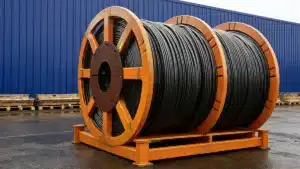
An overhead power cable system is a network of electrical conductors mounted above ground on poles or towers to transmit and distribute electrical power. It
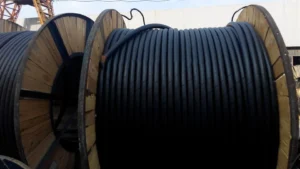
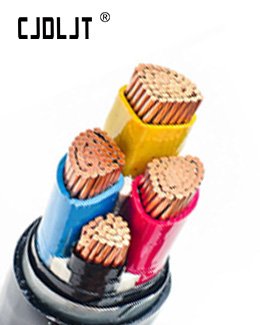
The main armored cable families are Steel Wire Armoured (SWA), Steel Tape Armoured (STA), Aluminium Wire Armoured (AWA), and Aluminium Tape Armoured (ATA). Each provides
Overhead cables are electrical or communications conductors that are mounted above ground, usually on poles or towers. They’re used for distribution and transmission of power,
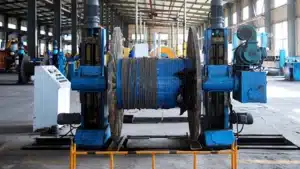
Armored cable has a protective metal layer around the insulated conductor core, typically steel or aluminum, to resist mechanical damage, moisture, and dust. Normal cable

Armored cable is designed to protect electrical conductors from physical damage, moisture, and dust in harsh environments. It provides enhanced durability, better abrasion resistance, and
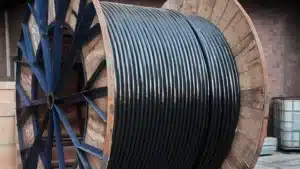
The four fundamental types are Power Cables, Control Cables, Data/Communication Cables, and Specialty/Industrial Cables (including coaxial, fiber optic, and high-temperature or armored variants). Each category

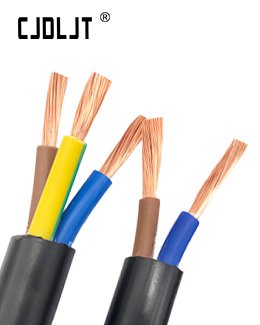
A control cable is a specialized electrical cable designed to carry control signals and data in automation systems, not high-power electrical loads. It prioritizes signal
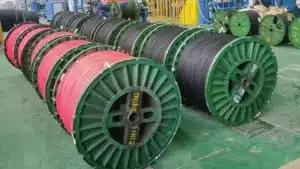
While upfront cost is tempting, quality cables deliver reliable voltage transfer, better insulation, flame resistance, and durable terminations that minimize outages and maintenance over the
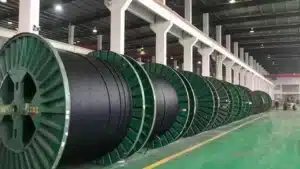
Yes. High-quality control cables help maintain signal integrity, resist EMI, endure temperature and chemical exposure, and tolerate mechanical stress, all of which reduce outages and