

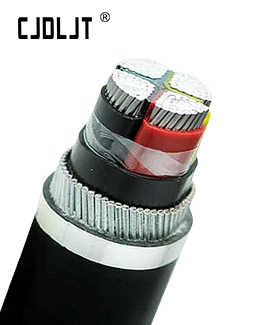
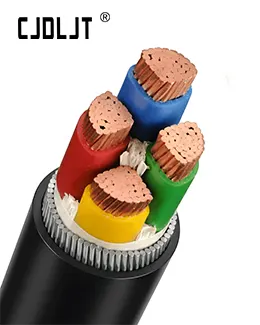
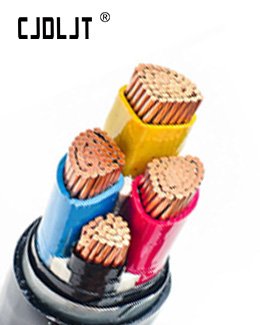
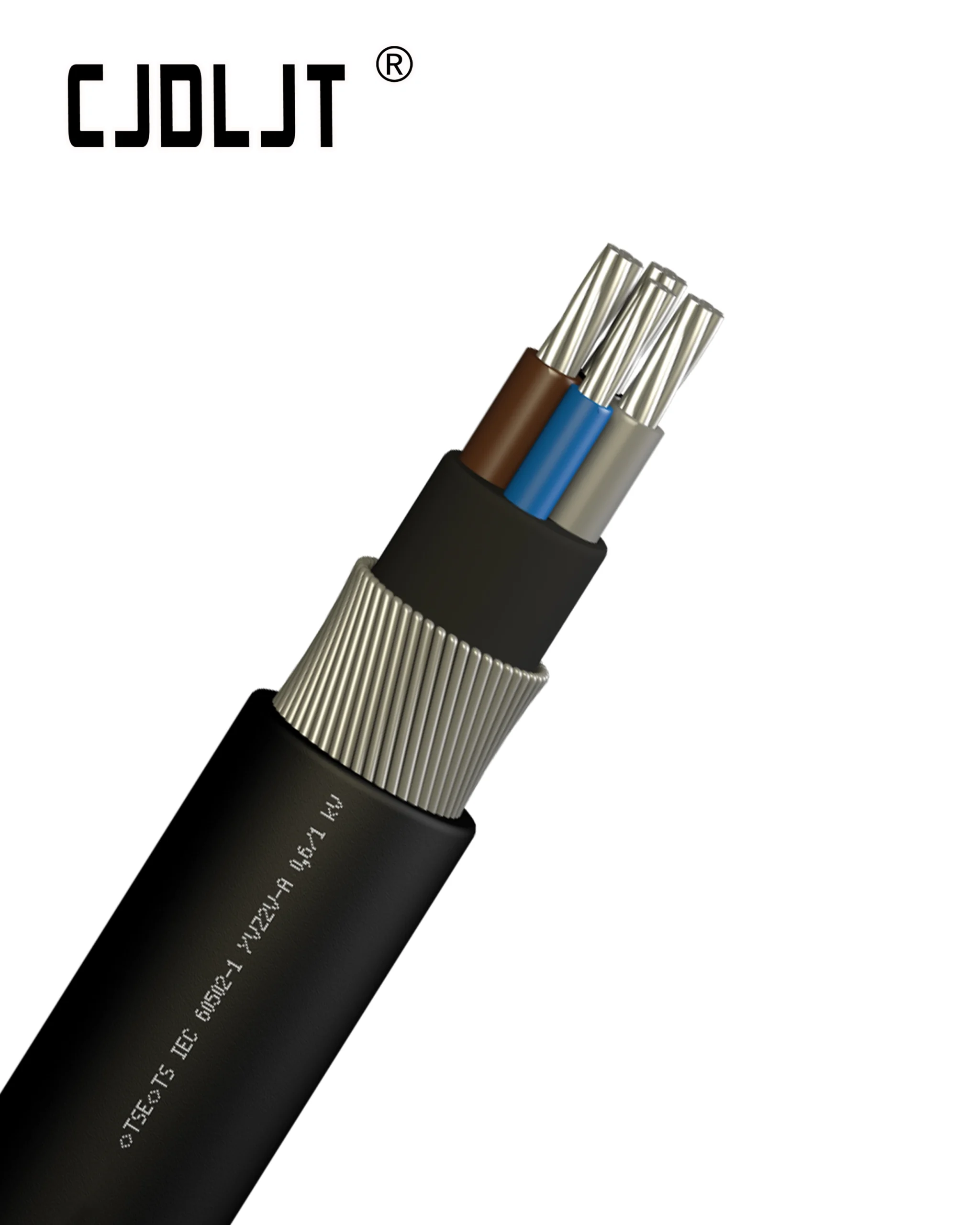

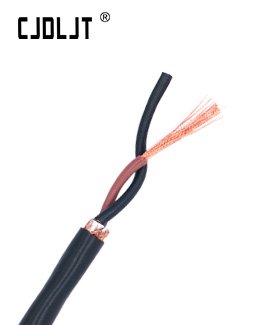

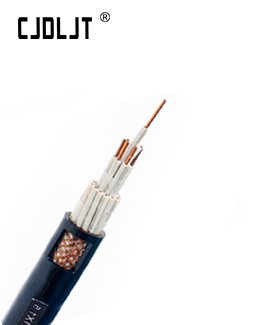
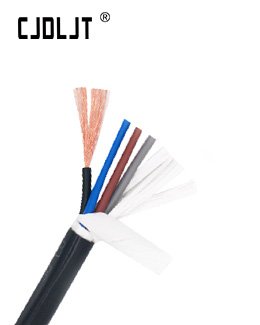
Armored cables are designed for mechanical protection and reliable operation in harsh environments.
They withstand physical damage, moisture ingress, and exposure to oils, chemicals, or UV where conductors and insulation might otherwise be compromised.
Armor types (SWA, STA, AWA) defend against abrasion, impact, and rodent damage, while some armor configurations can serve as bonding paths.
They are widely used in buried installations, outdoor runs, rugged industrial facilities, mining, and offshore or coastal zones.
Selection should align with voltage class, ambient conditions, and installation hardware per IEC 60502-1, EN 50525, BS 5467, and regional codes.
Armor Types & Suitability
Steel Wire Armor (SWA): Maximum mechanical protection; ideal for direct burial, rocky soil, or high-impact zones.
Steel Tape Armor (STA): Excellent protection with improved flexibility and lighter weight than SWA; suitable for long runs with moderate bending.
Aluminium Armor (AWA): Lighter weight and good corrosion resistance; preferred in aggressive environments or where weight reduction is critical.
Unarmoured variant: Used when mechanical protection is not a requirement; risk of damage in hostile environments is higher.
Environmental & Mechanical Service Conditions
Temperature range: Operating typically from about -5°C to 90°C; insulation/ratings may permit higher short-term peaks (short-circuit temperatures ~250°C within insulation).
Moisture and immersion: Armor protects against moisture ingress along the cable, but jacket and insulation must be rated for wet environments (e.g., XLPE or LSZH jackets with appropriate moisture resistance).
Oils and chemicals: Some jackets (e.g., XLPE) resist oils; avoid incompatible environments or specify jackets rated for chemical exposure.
UV and weathering: Outdoor installations require UV-stable jackets and compatible termination glands; armor itself is not a weatherproof cavity but provides surface protection.
Abrasion and impact: Armor dramatically reduces surface abrasion; direct burial, trenching, and exterior routes benefit from armor.
Rodent and mechanical protection: Armor deters mechanical damage and gnawing; use in urban, agricultural, or roadside applications as needed.
Installation geometry: Bends, sag, and routing must respect manufacturer bend radii; typical guidance is 12x–15x overall diameter for armored power cables, verified per part data sheets.
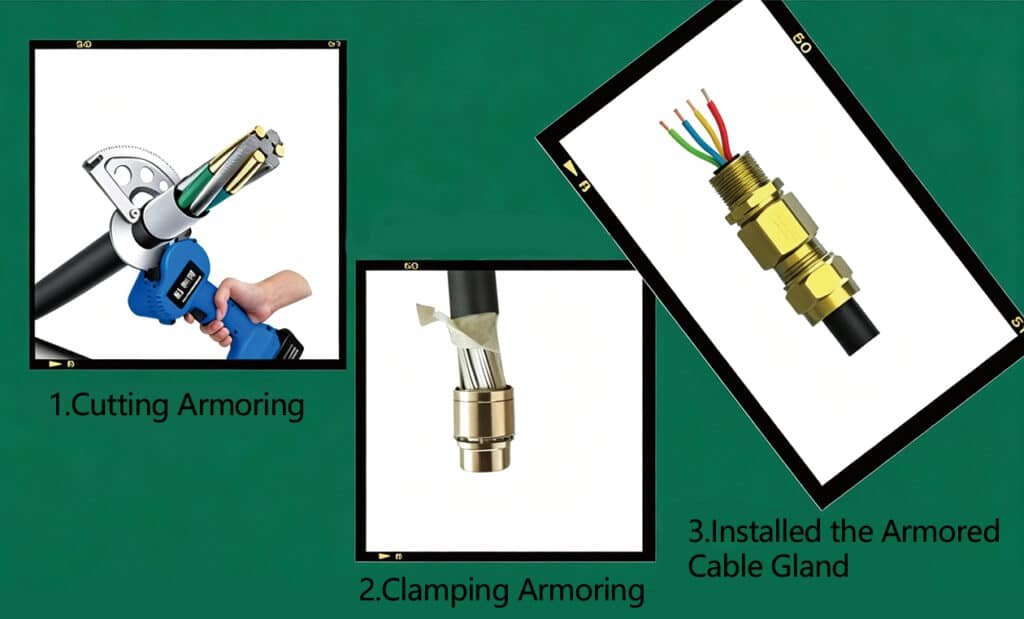
SOP / Checklist (Selection, Installation, Testing)
1.Define service environment
Identify burial vs. exposed outdoor, moisture exposure, oil/chemical exposure, and presence of abrasive surfaces.
2.Select armor type
SWA for maximum protection; STA for flexible long runs; AWA when weight or corrosion resistance matters.
3.Verify conductor and insulation
Confirm conductor material (copper or aluminum), insulation (XLPE or PVC), and jacket (PVC/LSZH) suitability for environment.
4.Check voltage, current, and temperature ratings
Ensure cable rating matches system voltage (e.g., 0.6/1 kV) and operating temperature, including short-circuit considerations.
5.Termination and gland compatibility
Choose armor-rated glands/connectors; confirm termination kits support the armor type.
6.Routing, supports, and bend radii
Plan supports, spacing, and bend radii per manufacturer data; typical bends should not exceed 12x–15x the overall diameter.
7.Installation practices
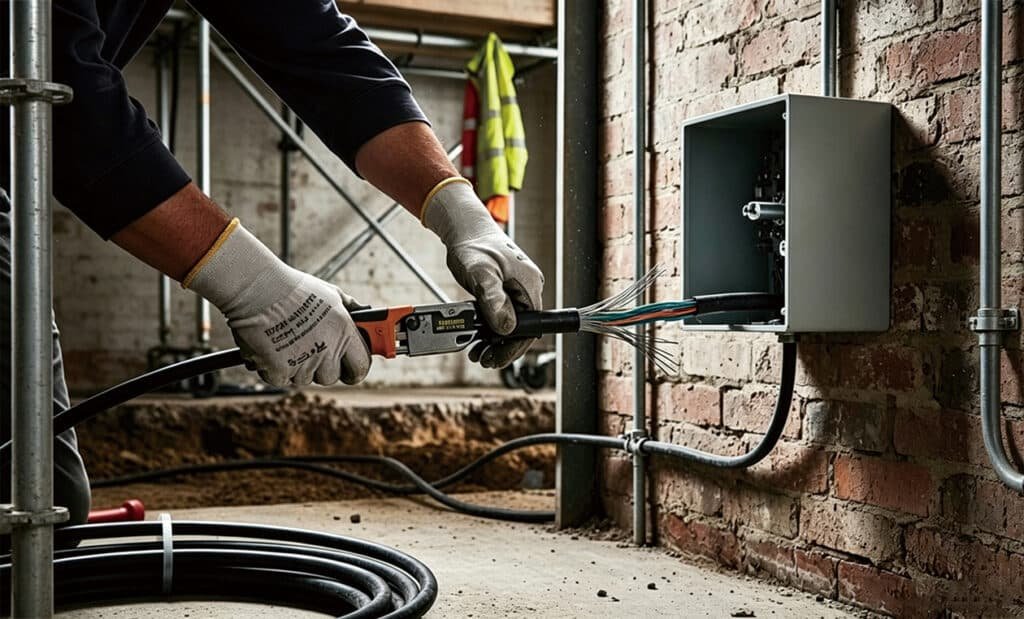
Use appropriate pulling equipment; avoid sharp edges; maintain tension within MBL limits; protect armor from damage during installation.
8.Testing and commissioning
Visual inspection for armor damage; continuity and insulation resistance tests; verify earth bond if armor serves as a path.
9.Documentation
Record armor type, cross-section, MBL, voltage rating, termination method, and regional approvals.
10.Compliance verification
Cross-check IEC 60502-1, EN 50525, BS 5467 with local electrical codes; ensure supplier data sheets and part numbers are traceable.