
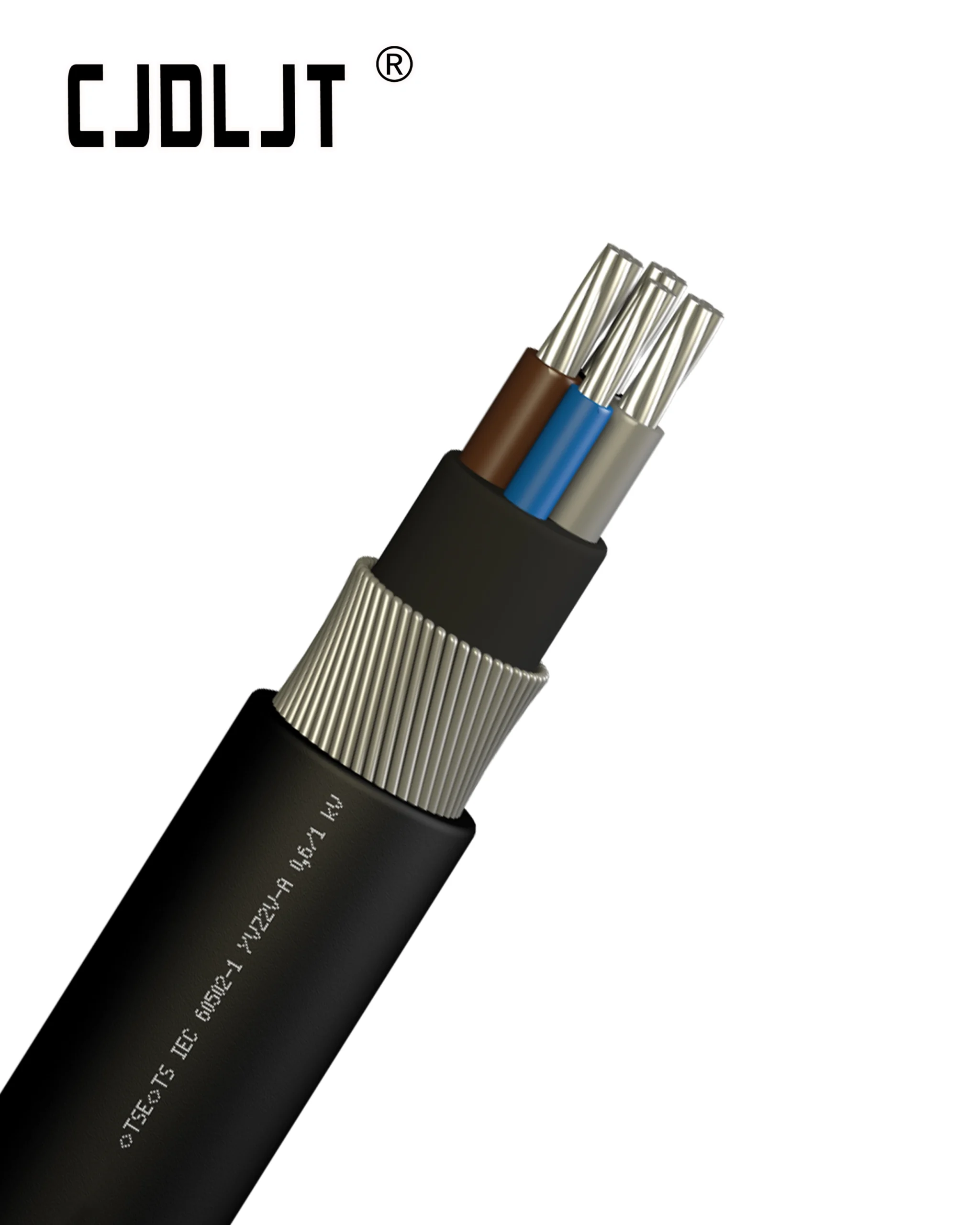
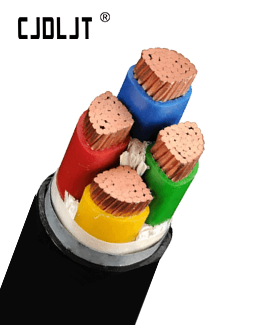

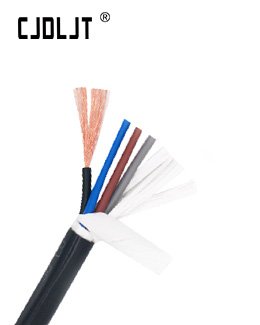
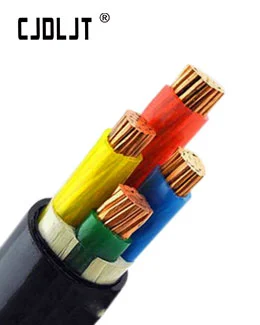
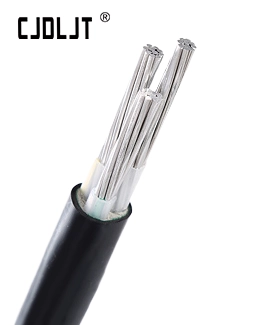

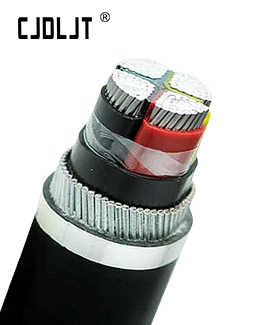
Overhead cable accessories are the hardware and devices used to install, connect, protect, and maintain overhead power and communication lines. They include spacers, clamps, anchors, termination kits and glands, insulators, and protective housings. These components ensure proper spacing, secure attachments, weatherproofing, and safe terminations, which are critical for reliability, safety, and ease of maintenance in outdoor environments.
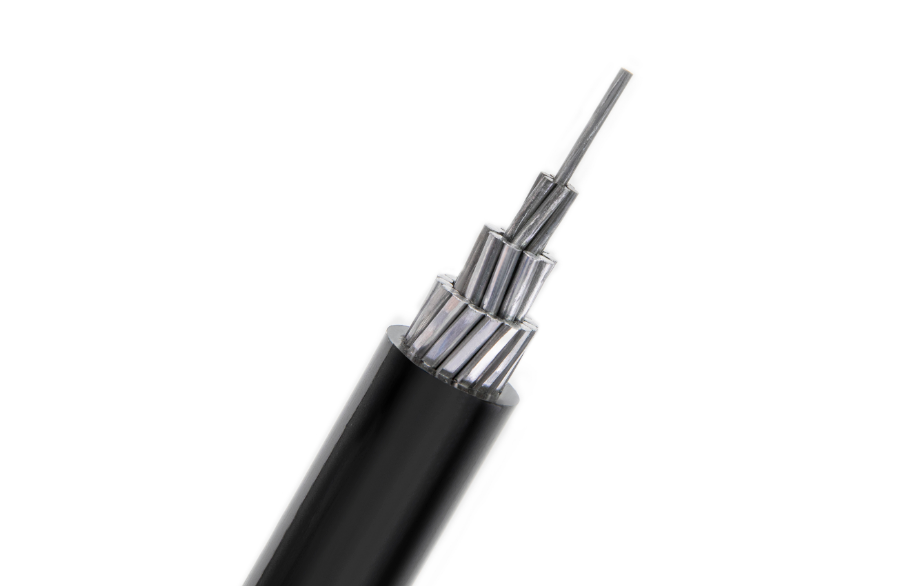
Accessories work together to manage load, minimize sag, resist wind and ice, and protect conductors from environmental exposure. They also simplify installation by providing standardized termination points and compatible interfaces with poles, towers, and equipment. Proper selection and installation of these parts help prevent faults, reduce maintenance time, and improve fault localization when issues arise. In short, the right overhead cable accessories are essential for long-term performance and safety in outdoor networks.
Key Accessory Categories:
- Spacers and ball spacers: keep bundled conductors aligned and reduce corona losses in ABC and bundled configurations
- Clamps, connectors, and anchors: secure conductors to poles/towers and manage tension
- Termination kits and glands: enable weatherproof, reliable joints at terminations and cross-connection points
- Insulators and hardware: prevent arcing and maintain clearance from structures
- Weatherproofing and protection: jackets, shields, protective housings, and sealants for moisture and UV resistance
- Monitoring and accessory devices: sensors, fault indicators, and fiber-optic quick-connects for asset management
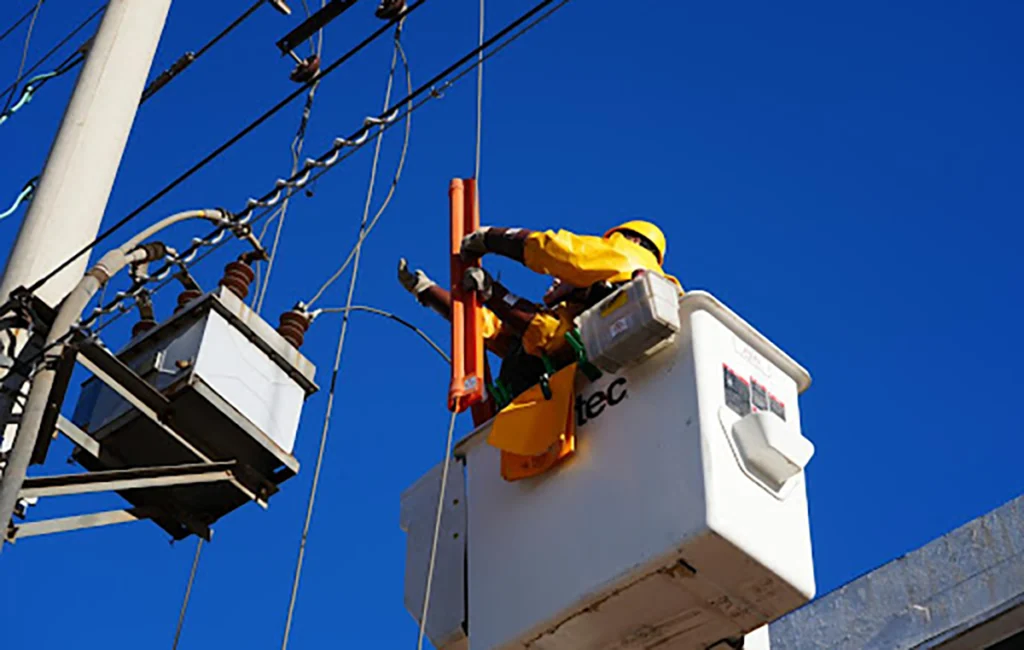
Design and Installation Considerations:
- Environment and climate: choose corrosion-resistant materials and weatherproof options for outdoor use
- Mechanical demands: assess wind load, ice accretion, vibration, and movement to select appropriate hardware
- Electrical compatibility: ensure termination methods, connector types, and conductor sizes match system design
- Installation practices: proper routing, spacing, and tensioning; use protective conduits and dedicated supports
- Maintenance and safety: plan regular inspections of fittings, insulators, and seals; document all hardware for traceability
- Standards and documentation: rely on third-party testing, certifications, and batch traceability to support safety compliance