

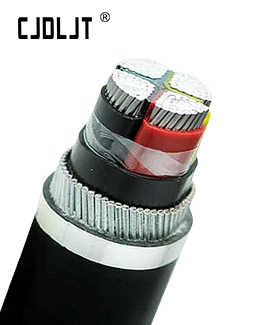
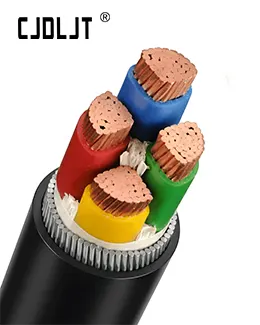
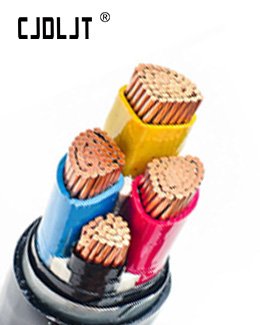
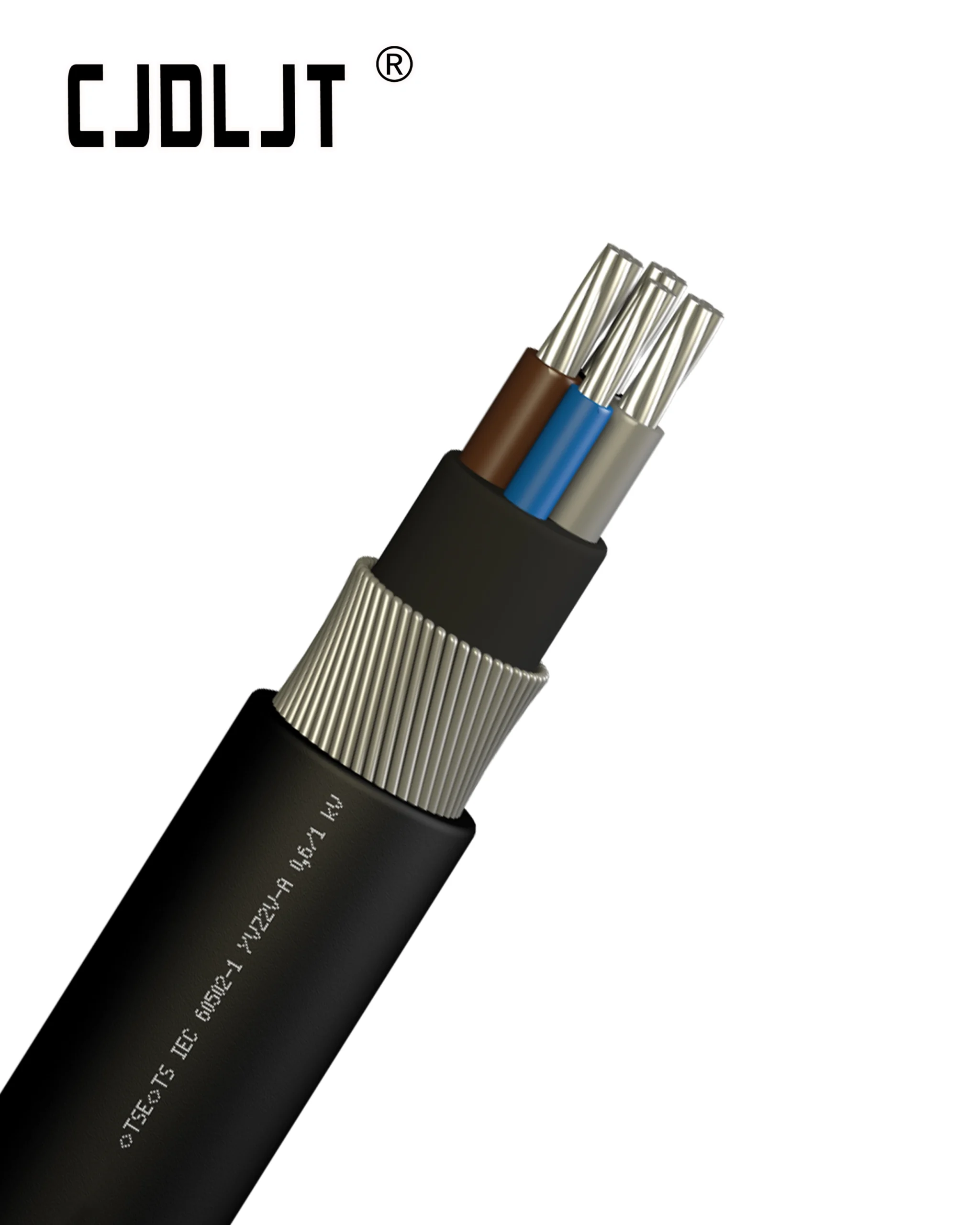


PVC insulation is typically cost-efficient with good dielectric properties and flexibility, but it has lower temperature tolerance and aging performance compared to XLPE. XLPE offers superior temperature resistance, better dielectric properties, and moisture resistance, yet it comes with higher material costs and more complex processing. The best choice depends on operating temperature, environmental conditions, voltage level, lifecycle cost, and installation constraints.
Advantages and Disadvantages of PVC and XLPE as Cable Insulation Materials
The advantages of PVC as a cable insulation material
- Low cost, mature production process and high cost performance.
- Good mechanical strength, wear resistance and compression resistance.
- Inherent flame retardancy prevents fire spread.
- Flexible and easy for bending and wiring installation.
Disadvantages of PVC as a cable insulation material
- Poor heat resistance; long-term working temperature is only 70℃, easy to aging and crack under high temperature.
- Poor weather resistance and UV resistance, not suitable for long-term outdoor use.
- Release toxic and corrosive gas when burning, low environmental performance.
- Average electrical performance and high dielectric loss, only for low-voltage cables.
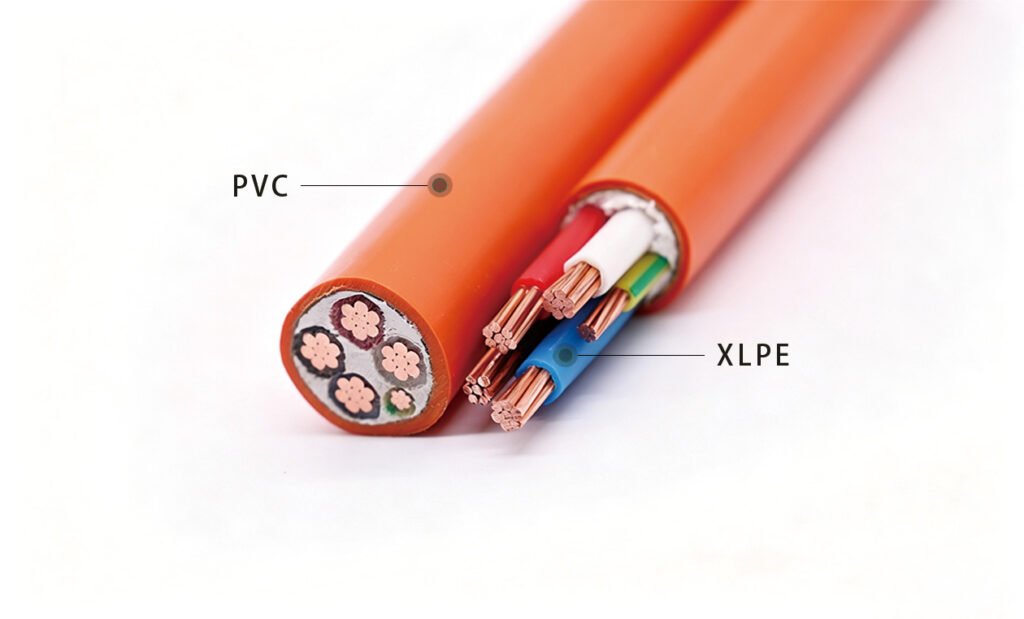
The advantages of XLPE as a cable insulation material
- working temperature up to 90℃ with higher current-carrying capacity.
- Superior insulation property and low dielectric loss, suitable for both high and low-voltage cables.
- Great aging, corrosion and UV resistance, adaptable to buried, outdoor and harsh conditions.
- Halogen-free and eco-friendly, low smoke and non-toxic in case of fire.
- Strong short-circuit heat resistance and longer service life.
Disadvantages of XLPE as a cable insulating material
- Higher raw material and processing cost, more expensive than PVC.
- Harder texture with less flexibility, requiring standardized bending construction.
- Raw XLPE has weak flame retardancy and needs special modification.
In short:
PVC features low cost and flexibility, ideal for temporary, indoor and low-budget projects.
XLPE stands for high performance and safety, becoming the first choice for permanent power cables in construction, industry and municipal engineering.