



Armored Cable Termination and Splicing Reliability
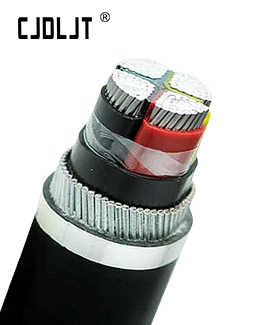
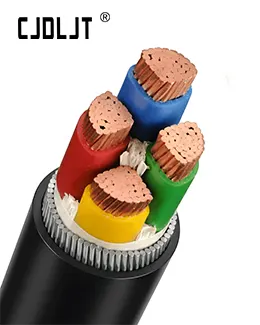
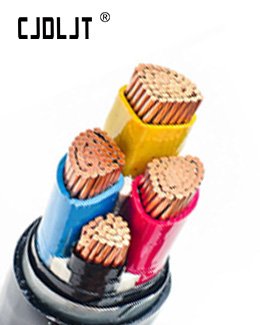
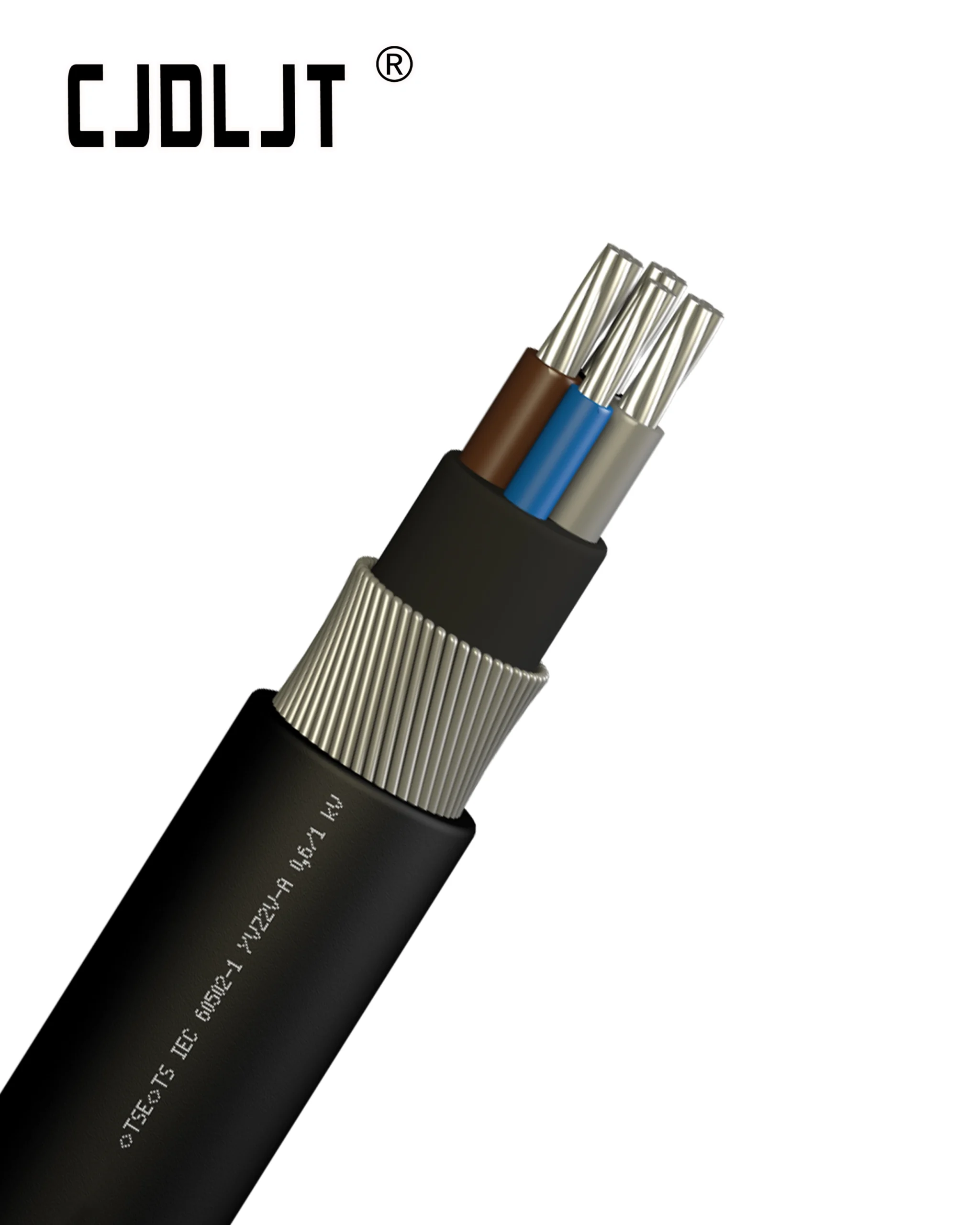
Terminating and splicing armored power cables (such as BS 5467 or IEC 60502-1 types) requires strict management of mechanical integrity, electrical continuity, and environmental sealing. The primary technical challenge lies in the armor earthing (grounding) and the management of electrical stress at the insulation screen cut-back. Long-term reliability is dependent on the transition between the cable’s metallic layers and the connector, ensuring that the armor is securely bonded to the system earth to carry potential fault currents. Failure to maintain a moisture-tight seal at the termination point leads to water ingress, which causes XLPE treeing or corrosion of the Galvanized Steel Wire Armor (SWA).
Technical Parameter Matrix for Termination Components
Selecting the correct accessories is critical for maintaining the cable’s rated performance. The table below compares common termination and splicing technologies.
| Parameter | Heat Shrink Kits | Cold Shrink Kits | Mechanical Bolted Splices |
| Material Basis | Polyolefin / Cross-linked | Silicone / EPDM Rubber | Aluminum/Copper Alloy |
| Voltage Range | 0.6/1kV to 35kV | 0.6/1kV to 66kV+ | 0.6/1kV to 35kV |
| Armor Bonding | Constant Force Springs | Constant Force Springs | Internal Shearing Bolts |
| Environmental Seal | Adhesive-lined Heat Seal | Active Compression Seal | Heat/Cold Shrink Over-sleeve |
| Shelf Life | Indefinite (Dry) | Finite (approx. 2-3 years) | Indefinite |
| Skill Requirement | High (Torch Control) | Moderate (Core Pulling) | Low (Torque Control) |
Key Component: The Armor Bonding System
The armor layer serves as a Circuit Protective Conductor (CPC) and a mechanical shield. In splicing scenarios, continuity must be maintained across the joint.
- Internal Continuity: Use a metallic “earth cage” or heavy-gauge copper braid ($>16mm^2$ depending on fault levels) to bridge the armor across the splice.
- Corrosion Mitigation: In underground splices, the armor bond must be encapsulated in water-resistant resin or dual-wall adhesive shrink tubing to prevent galvanic corrosion between the steel armor and copper bonding braid.
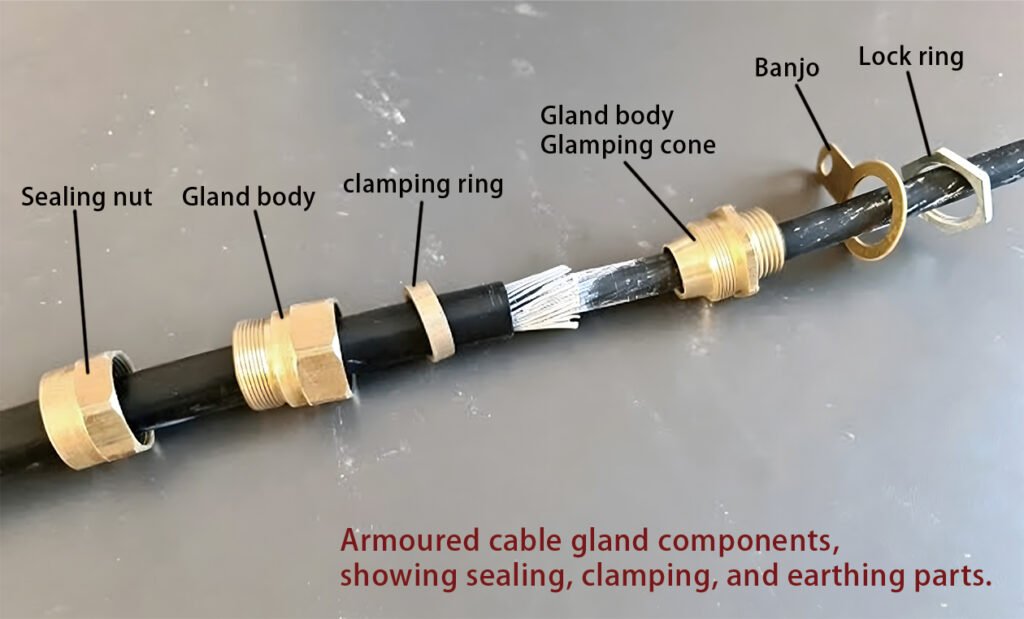
- Mechanical Strength: The termination must withstand a pull-out force relative to the cable’s weight and installation tension, typically governed by BS 6121 for cable glands.
Environmental and Chemical Considerations
Long-term reliability is often compromised by the environment rather than electrical load.
1. UV and Weather Resistance
Terminations located outdoors (e.g., on pole-tops or outdoor transformers) must utilize UV-stabilized silicone or cross-linked polyolefin. Standard PVC tapes will degrade under solar radiation, leading to moisture paths.
2. Flame Retardancy (LSZH)
In public infrastructure or tunnels, the termination accessories must match the Low Smoke Zero Halogen (LSZH) properties of the cable jacket to comply with IEC 60332 (Flame Retardancy) and IEC 60754 (Acid Gas Emission).
3. Ingress Protection (IP Rating)
For wash-down areas or flood-prone pits, the termination assembly must achieve a minimum of IP66 or IP68. This is achieved through high-displacement seals at the gland and adhesive linings on the heat-shrink components.