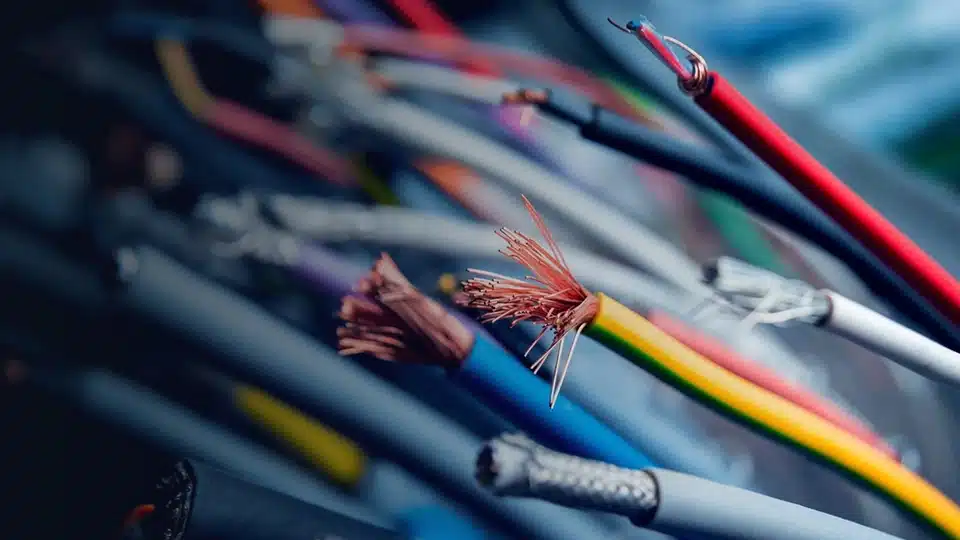

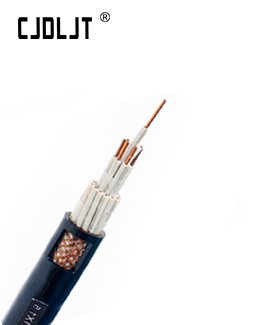
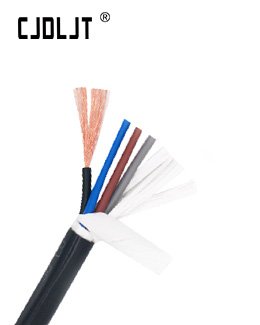
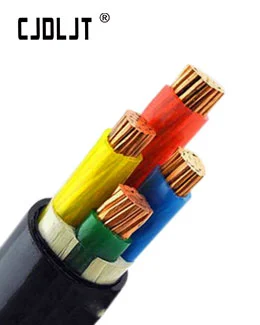
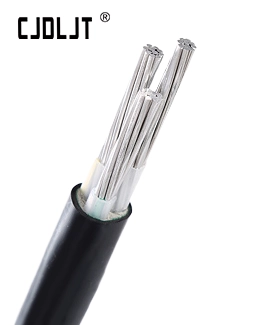

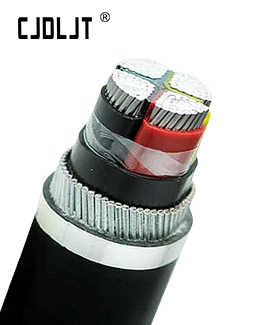
A control cable is a specialized electrical cable designed to carry control signals and data in automation systems, not high-power electrical loads. It prioritizes signal integrity, EMI resistance, flexibility, and environmental durability to ensure reliable communication between controllers, sensors, and actuators.
In modern manufacturing and process plants, control cables connect PLCs, sensors, drives, and actuators. They are typically multi-conductor, may include shielding to suppress interference, and often have flame-retardant jackets for safety. Compared with power cables, control cables emphasize low-loss signal transmission, precise timing, and robust performance under vibration, temperature fluctuations, and chemical exposure. Certifications and batch traceability are crucial for compliance and quick root-cause analysis.

Key Characteristics and Functions:
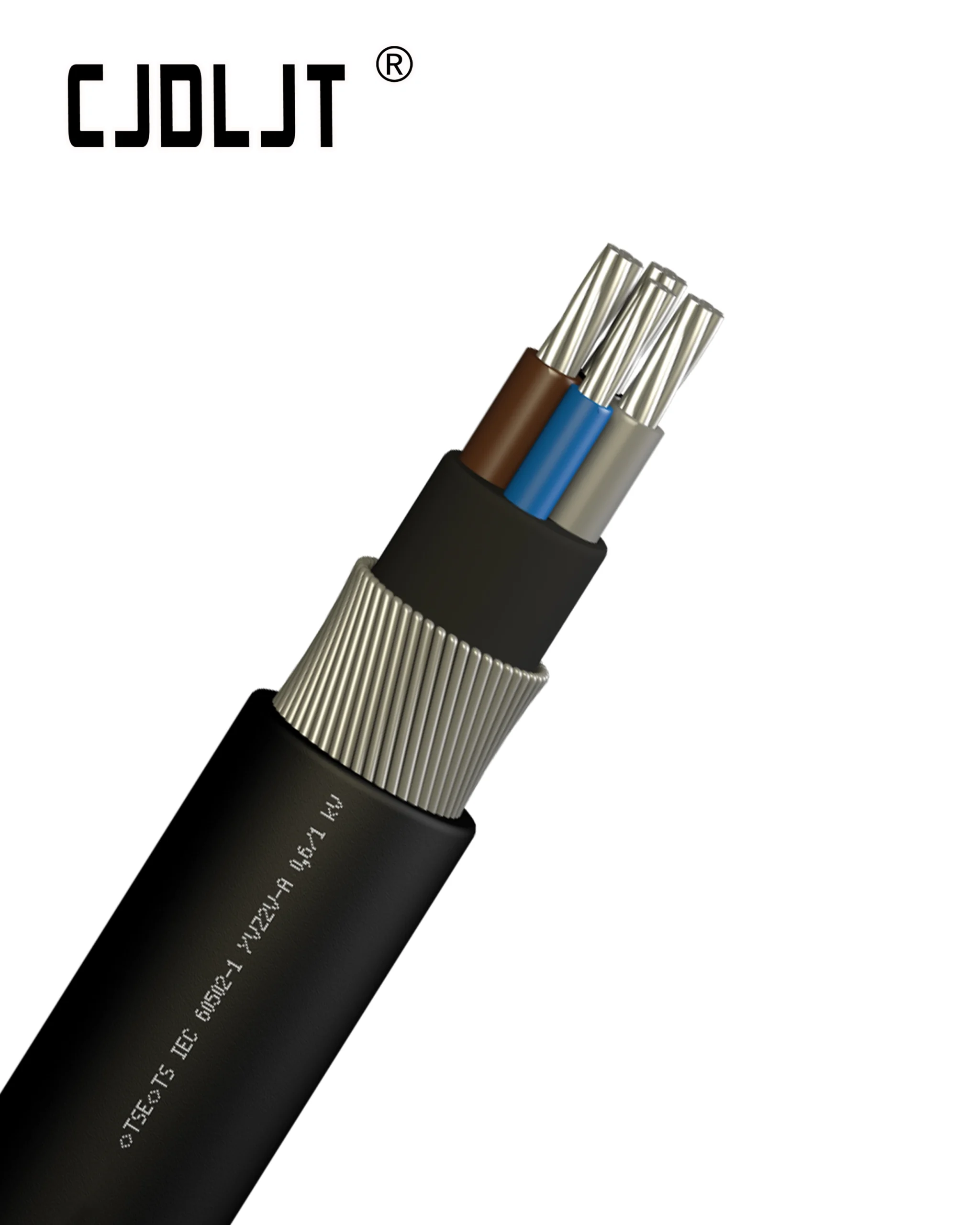
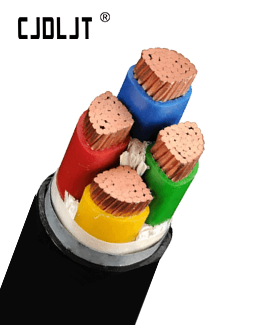
- Conductors and insulation: copper conductors with appropriate insulation for electrical and thermal performance
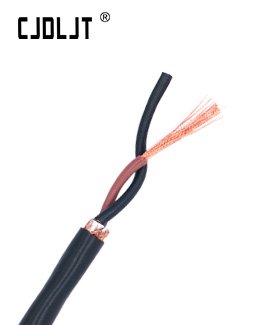
- Shielding: optional foil or braided shielding to minimize EMI and cross-talk
- Jacket and outer protection: jackets designed for environmental durability (oil, chemicals, abrasion, UV)
- Mechanical resilience: bend radius, flex life, and pull strength for dynamic installations
- Termination readiness: compatible connectors and standardized terminations for reliable interfaces
- Documentation: datasheets, third-party tests, batch traceability for quality assurance
Selecting the Right Control Cable:
- Environment: temperature range, exposure to chemicals/oils, humidity, UV if outdoors
- Electrical needs: operating voltage, signal type, conductor count, and shielding requirements
- Installation: bend radius, flexibility, routing, and compatibility with connectors
- Standards: look for UL/CSA/CE/IEC certifications and documented test results
- Supplier support: lead times, on-site assessments, samples, and clear batch documentation