

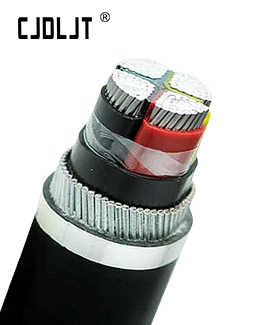
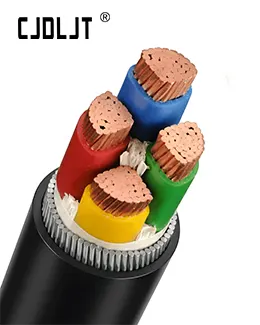
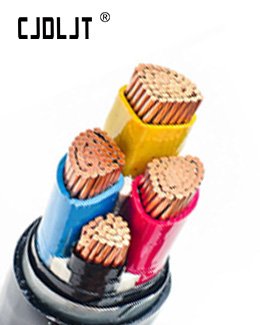
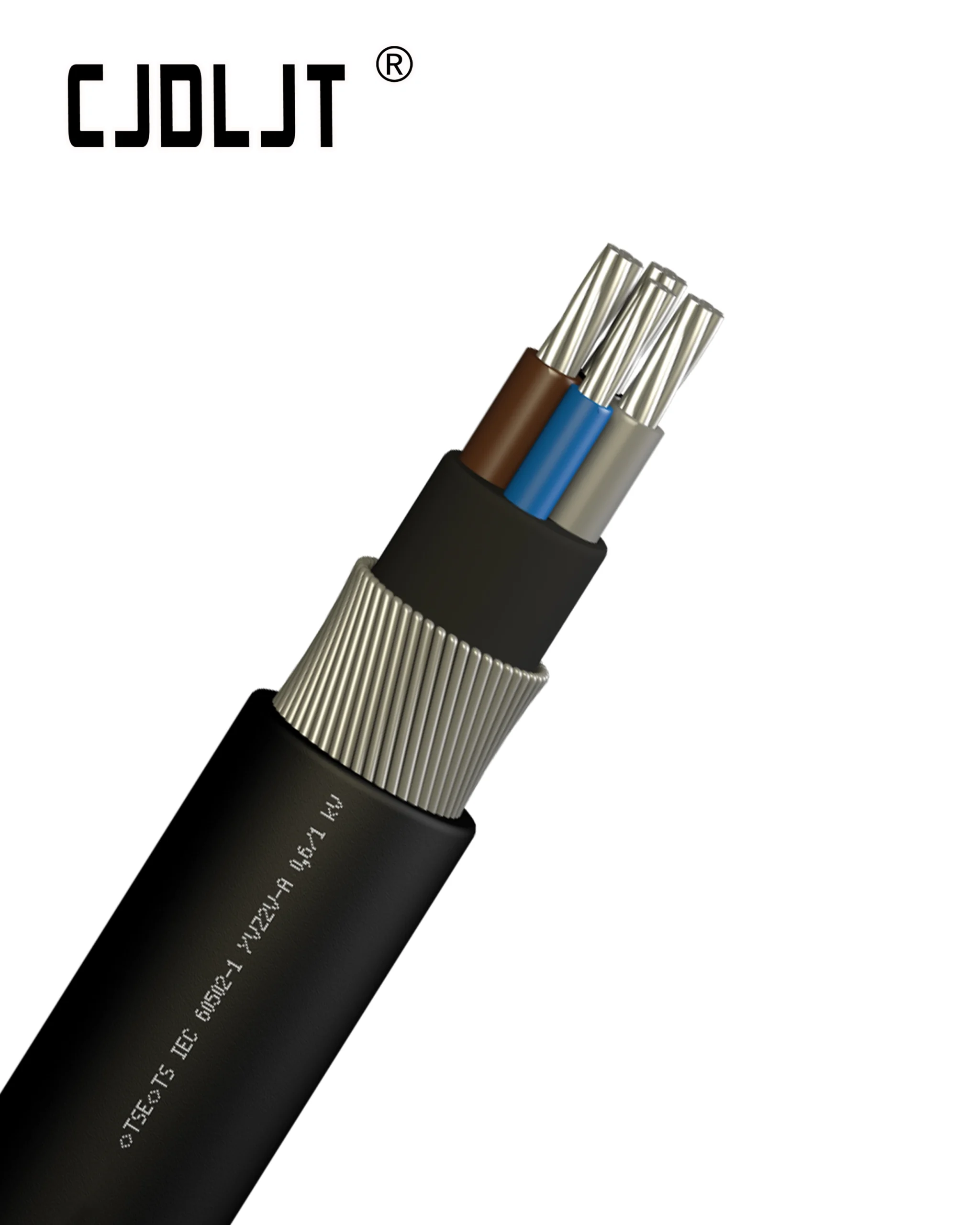


BS 7870 LV ABC 1kV Cable Specification & Definition
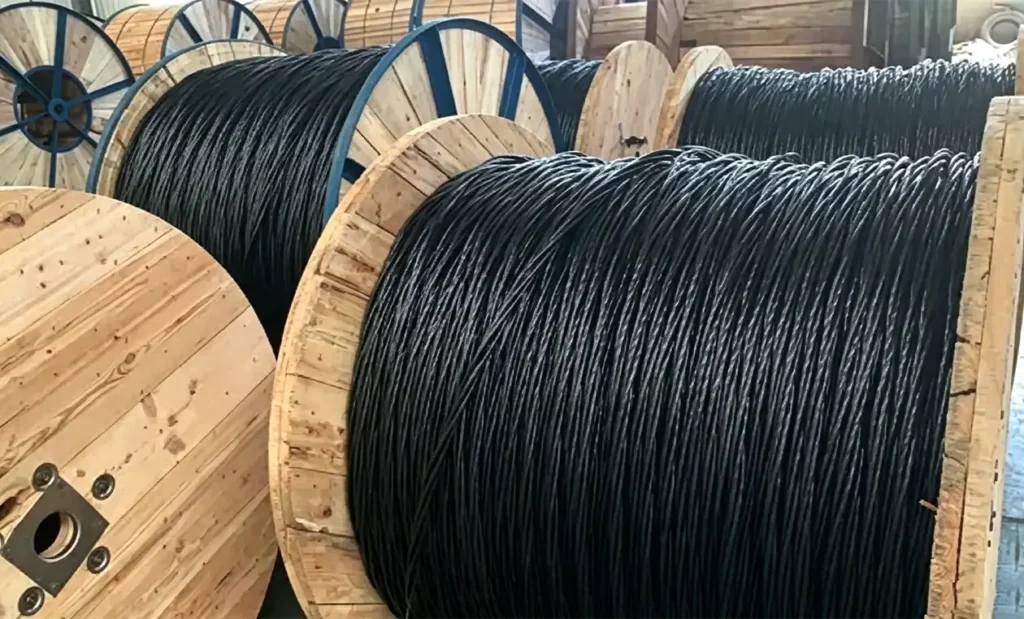
BS 7870 LV ABC (Aerial Bundle Cable) is a low-voltage overhead distribution cable rated at 0.6/1kV (U₀/U), manufactured strictly in compliance with British Standard BS 7870-5. It features Class 2 stranded aluminium phase conductors insulated with high-density, weather-resistant, UV-stabilized Cross-linked Polyethylene (XLPE). Designed as a bundled assembly of 2-core, 4-core, or 4-core plus street lighting configurations, it replaces bare overhead conductors to prevent short circuits caused by phase-to-phase contact or tree clashing. BS 7870 ABC is engineered for fixed installation on poles or building facades in secondary power distribution networks, ensuring high mechanical durability and reduced non-technical distribution losses.
Technical Parameter Matrix: BS 7870-5 Specification Overview
The table below outlines the core electrical, mechanical, and physical parameters governing BS 7870-5 0.6/1kV Aerial Bundle Cables.
| Technical Parameter | Specification / Standard Value | Reference Standard |
| Voltage Rating (U₀/U) | 0.6/1 kV (Maximum System Voltage Uₘ = 1.2 kV) | BS 7870-5 / IEC 60502-1 |
| Phase Conductor Material | Class 2 Stranded Aluminium (AAC or Aluminium Alloy) | BS EN 60228 / BS 7870-5 |
| Neutral/Messenger Conductor | Bare or Insulated AAAC (Aluminium Alloy) / AAC | BS EN 50182 / BS 7870-5 |
| Insulation Material | UV-Stabilized Carbon-Black XLPE (Type DIX 10 or DIX 11) | BS 7655-1.3 |
| Max Continuous Operating Temp | 90°C | BS 7870-5 |
| Max Short-Circuit Temp (5s) | 250°C | IEC 60502-1 |
| Conductor Cross-Section Range | Phase: 16 mm² to 150 mm²; Street Light: 16 mm²–25 mm² | BS 7870-5 |
| Core Identification | Raised Longitudinal Ribs (Phase 1: 1 rib, Phase 2: 2 ribs, Phase 3: 3 ribs; Neutral: Smooth/Continuous) | BS 7870-5 |
| Flame Retardancy / UV Test | Carbon Black Content ≥ 2.0%; Weather Resistance Tested | BS EN ISO 4892-2 |
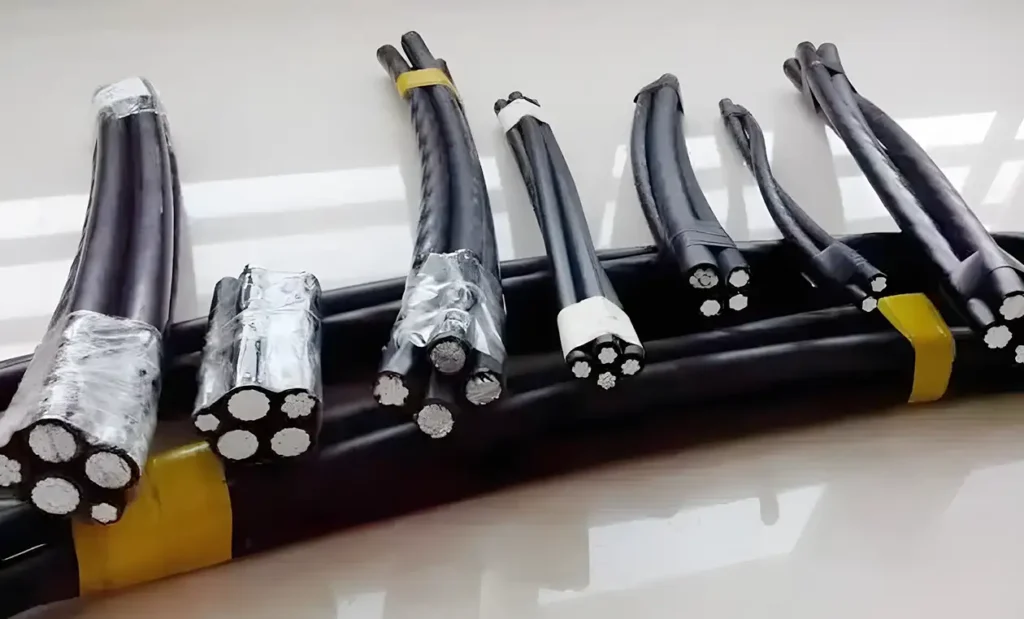
Application Scenarios for BS 7870 LV ABC Cable
Anti-Theft Power Distribution: Impedes illegal direct-tapping connections on overhead low-voltage distribution networks compared to bare aluminium conductors.
Urban High-Density Overhead Lines: Replaces bare wire lines on narrow street corridors to eliminate phase-to-phase contact faults caused by wind or falling debris.
Rural Secondary Distribution: Allows longer span lengths (50–80 meters) across difficult terrain when using a high-strength AAAC neutral messenger, lowering overall pole structure costs.
Forest & Wooded Zone Networks: Ensures continuous operation without short-circuit risk when branches directly touch the XLPE-insulated phase conductors.