

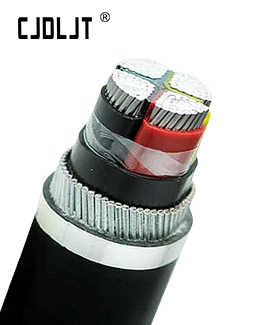
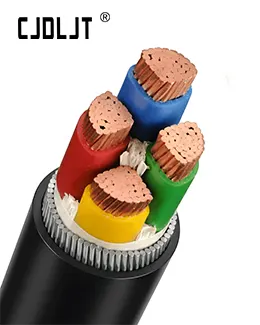
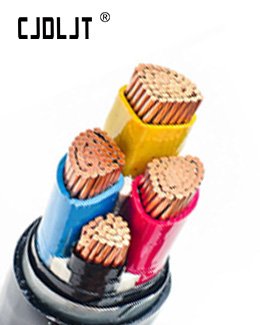
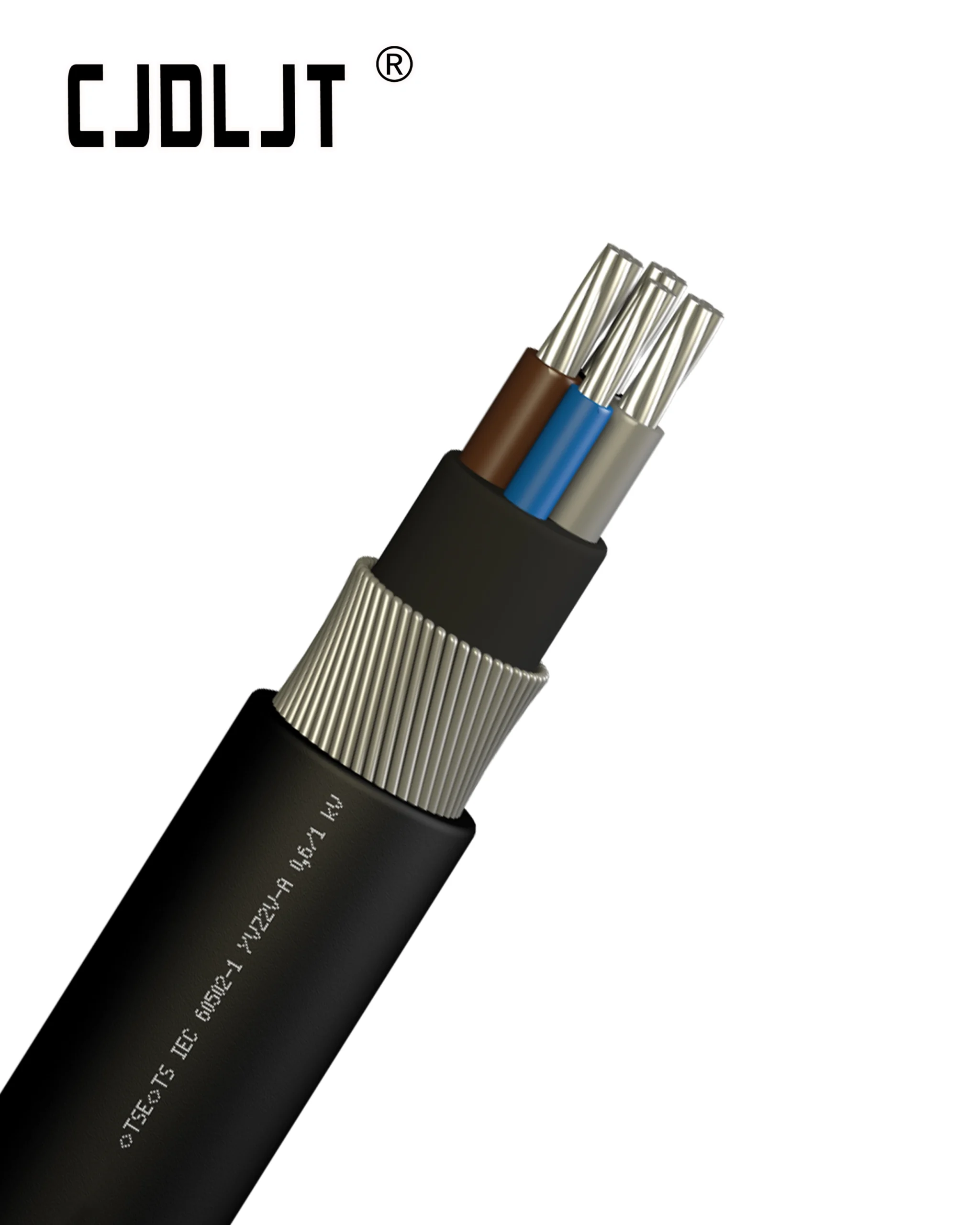

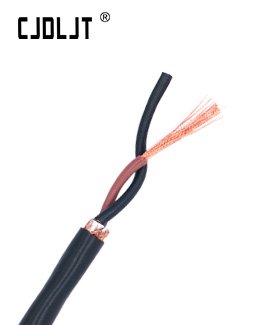

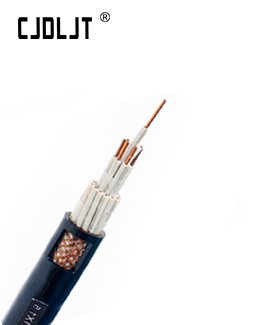
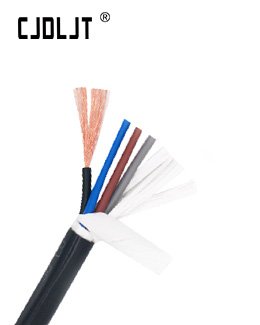
LSZH stands for Low Smoke Zero Halogen. These cables use halogen-free jacket and insulation formulations to minimize the release of toxic, corrosive halogen gases and to reduce smoke density when exposed to fire.
They improve occupant safety and ease post-fire equipment recovery in enclosed or crowded spaces. Common applications include data centers, hospitals, schools, transit vehicles, tunnels, ships, aircraft, and other areas with limited ventilation or high evacuation risk.
Use LSZH when codes, client requirements, or risk assessments mandate low smoke and low halogen emissions; verify IEC-based test reports and certifications.
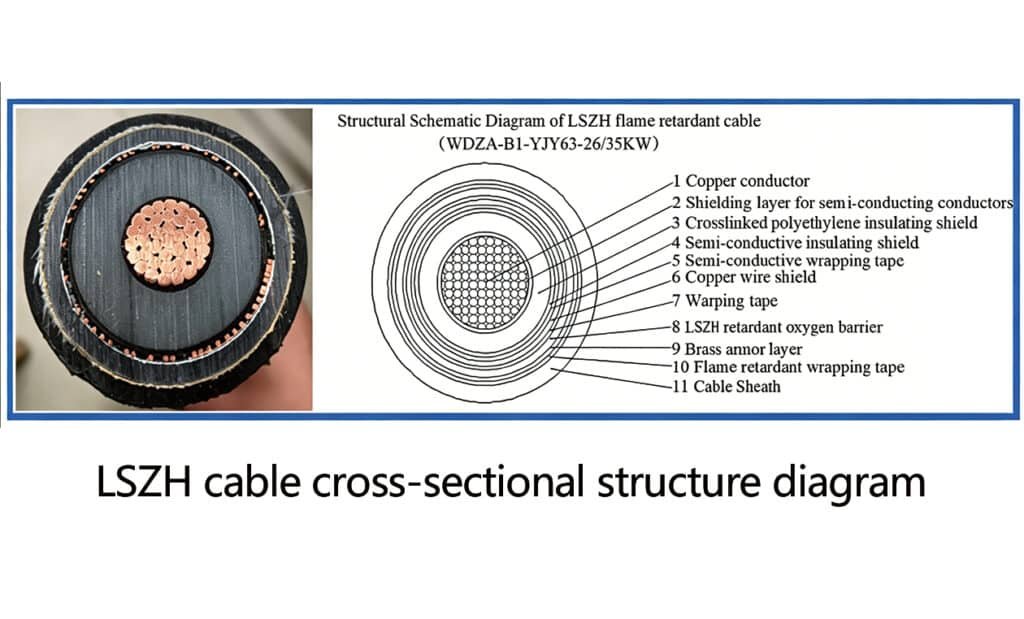
Definition, chemistry, and what qualifies as LSZH
LSZH refers to jackets/insulation formulated from halogen-free polymer systems that emit minimal halogen-containing gases and low smoke density under fire.
Common base polymers: halogen-free polyolefins; additives are chosen to achieve flame retardancy without halogens.
Important metrics: halogen content (per IEC 60754-2) and smoke density (per IEC 61034). Both should meet the supplier’s LSZH specification and project requirements.
When to specify LSZH versus alternatives
Use LSZH when the environment is enclosed or densely occupied (data centers, hospitals, schools, tunnels, aircraft).
Choose LSZH for regions with strict fire-safety codes or customer requirements (building codes, risk assessments).
If cost, mechanical flexibility, or extreme outdoor exposure are dominant concerns, evaluate trade-offs with non-LSZH flame-retardant or standard PVC options.
Standards, testing, and documentation
Halogen content and gas analysis: IEC 60754-1/2.
Smoke density in burning conditions: IEC 61034 (DS values or pass/fail depending on spec).
Flame propagation: IEC 60332-series (vertical flame tests) or equivalent EN standards.
Building/industry codes: regional equivalents (e.g., NFPA, NFPA 75/76, EN 50525 family) as applicable.
Documentation: supplier test reports, third-party certificates, and declared LSZH compliance for the specific cable construction.
SOP / Checklist (LSZH selection & verification)
1.Define the installation environment
Enclosed or occupied spaces (data centers, hospitals, transit hubs, tunnels) and ventilation quality.
2.Identify applicable codes and requirements
local building codes, life-safety standards, and client specs requiring LSZH.
3.Compare LSZH options
Confirm halogen-free status and low-smoke performance per IEC 60754/61034.
4.Verify flame-retardant performance
Ensure cable meets the required IEC 60332 tests (or national equivalents) for vertical flame propagation.
5.Review temperature and mechanical specs
Confirm operating range (-20 to 90 C typical) and mechanical robustness for routing and pulling.
6.Inspect documentation
Request supplier data sheets, test reports, and third-party certifications for LSZH compliance.
7.Evaluate lifecycle considerations
Assess long-term aging, moisture resistance, and compatibility with termination components.
8.Plan installation with LSZH constraints
Check bend radii, pulling tensions, and gland compatibility for halogen-free jackets.
9.Document acceptance criteria
Record the exact LSZH standard alignment, test methods, and pass/fail thresholds for the project.
10.Audit and traceability
Maintain lot-level certificates and ensure traceability to installation locations and service life expectations.