
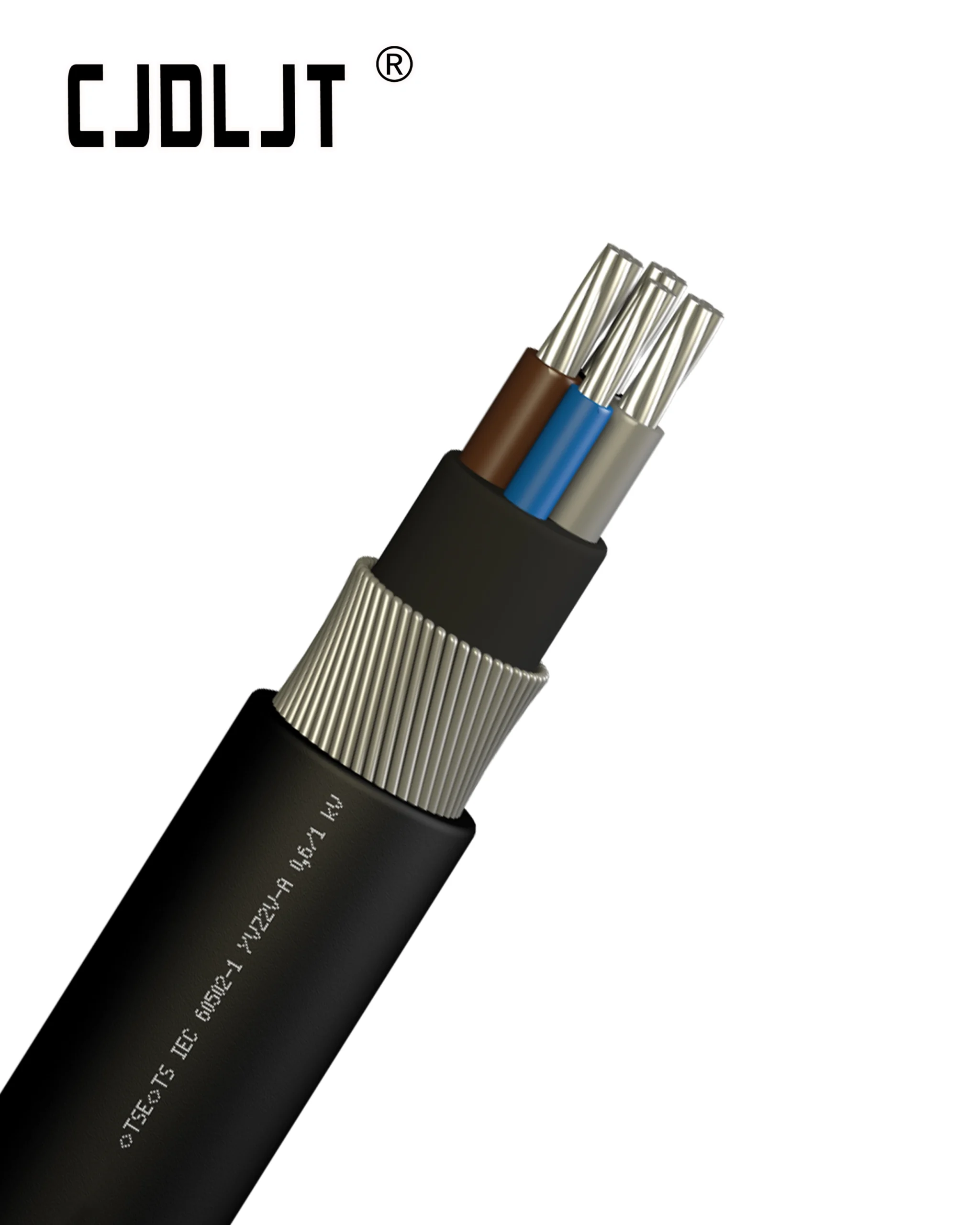
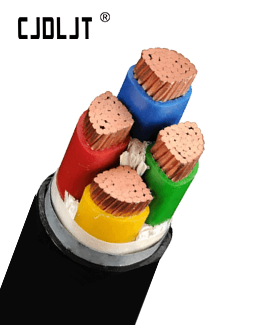

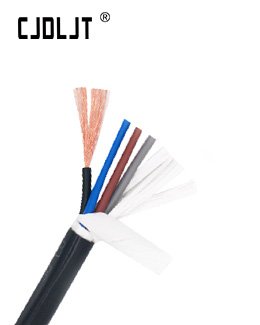
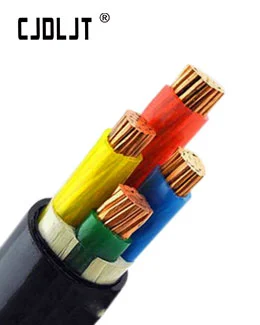
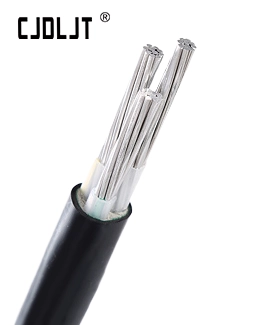

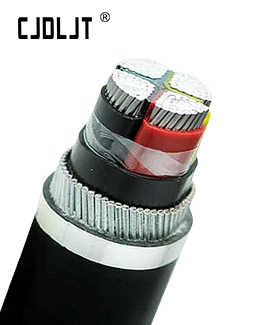
ABC cables use aluminum conductor strands, typically AAAC (All Aluminum Alloy Conductor) or AAC (All Aluminum Conductor). These conductors are grouped into multi-core bundles under a single weatherproof jacket. Aluminum offers a favorable balance of conductivity, weight, corrosion resistance, and cost, making it ideal for urban and suburban overhead distribution where reducing weight and installation complexity is important.
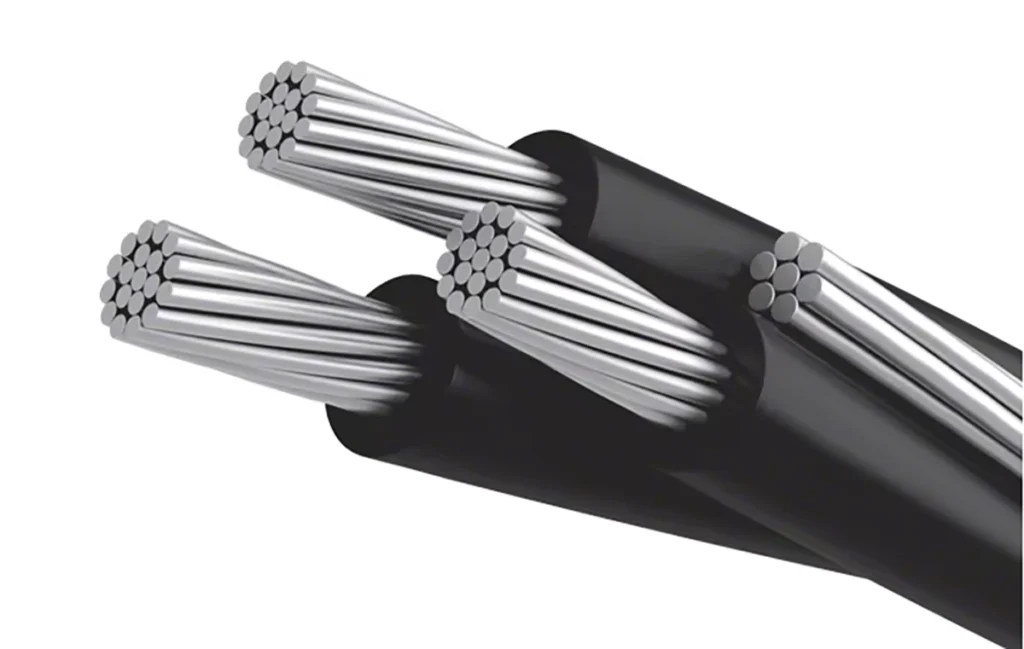
The aluminum conductors in ABC cables are designed to deliver sufficient current while keeping structural loads manageable for poles and towers. AAAC provides higher strength-to-weight than AAC, enabling longer spans and better sag control, while AAC is lighter and more economical for shorter routes. The bundled arrangement also reduces corona losses at lower voltages and helps improve fault localization due to the organized, shielded configuration. The jacket material (often XLPE or other weatherproof polymers) protects against moisture, UV exposure, and mechanical wear, contributing to longer service life in outdoor settings.
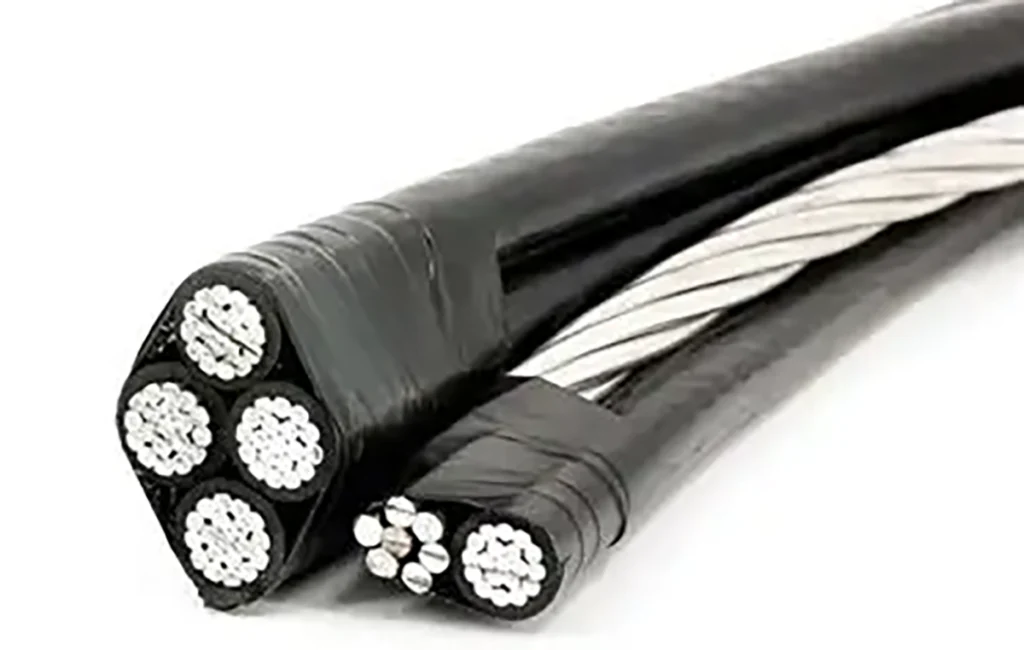
Conductor Materials and Configurations:
- Conductor types: AAC (All Aluminum Conductors) and AAAC (All Aluminum Alloy Conductors); AAAC offers higher strength and temperature performance
- Bundle configurations: triad or quad-core arrangements within a single outer jacket to increase capacity and reduce corona losses
- Insulation & jacket: weatherproof jackets designed for outdoor use; insulation level is chosen to meet voltage and environmental requirements
- Termination readiness: compatibility with standard aerial hardware, spacers, and connectors for reliable terminations
- Environmental considerations: corrosion resistance, wind loading, ice, UV exposure, and pollutants
Design and Installation Considerations:
- Environment: urban vs rural, temperature range, humidity, pollution, and salt spray (coastal areas)
- Electrical design: voltage level, current rating, and required line losses
- Mechanical design: span length, sag, tension, vibration, and maintenance access
- Installation practices: pole spacing, spacer selection, line tensioning, and protective enclosures
- Maintenance and safety: vegetation management around lines, regular inspection of jackets and connectors, and documentation for traceability
- Standards and documentation: third-party tests, certifications, and batch traceability to support safety and compliance