

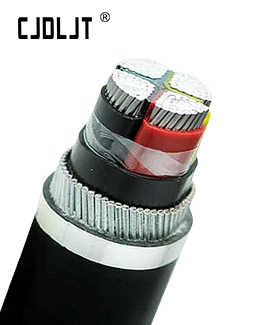
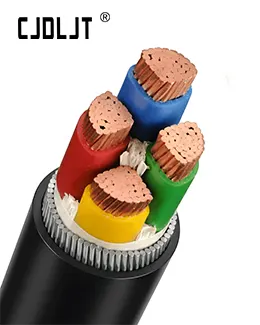
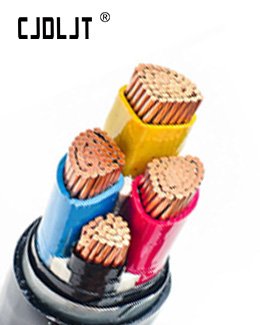
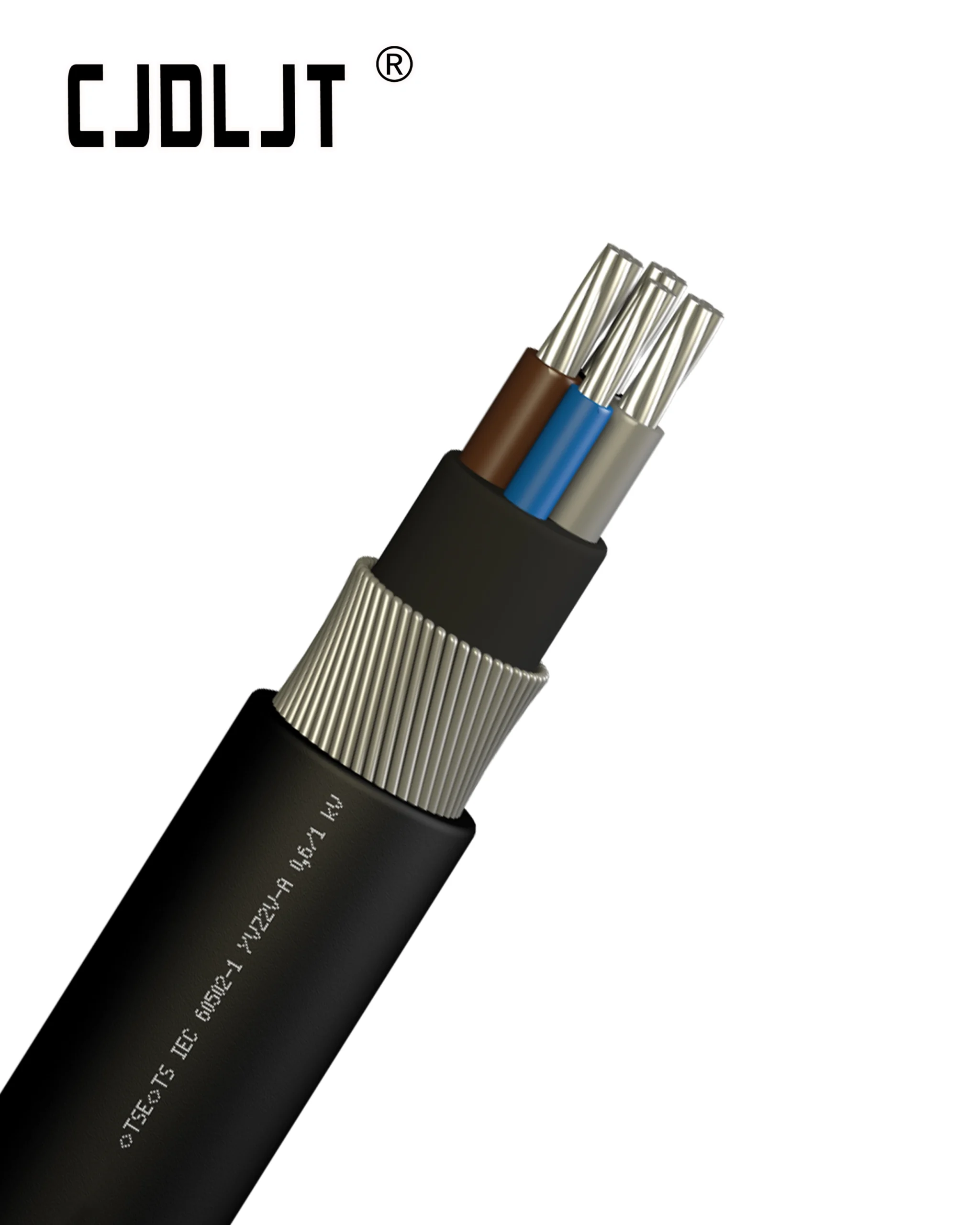

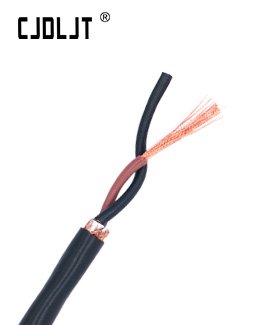

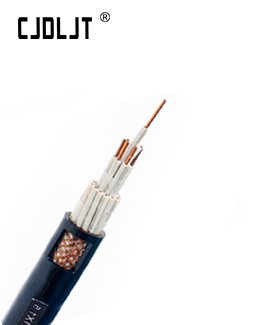
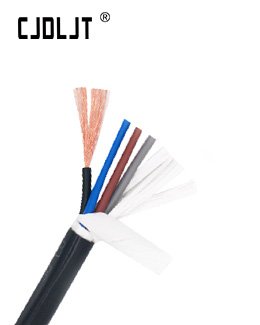
IEC 60502-1 XLPE/PVC power cables are the global benchmark for low-voltage (0.6/1 kV) industrial power distribution due to their superior thermal endurance, mechanical resistance, and electrical reliability. Engineered with Cross-Linked Polyethylene (XLPE) insulation, these cables maintain a continuous conductor operating temperature of 90°C and short-circuit withstand levels up to 250°C. The outer Polyvinyl Chloride (PVC) sheath provides exceptional resistance to moisture, chemical exposure, and abrasion. Conforming to IEC 60502-1 specifications, they guarantee optimized ampacity, reduced dielectric losses, and prolonged operational lifespan across heavy-duty industrial machinery, substations, and underground utility networks.
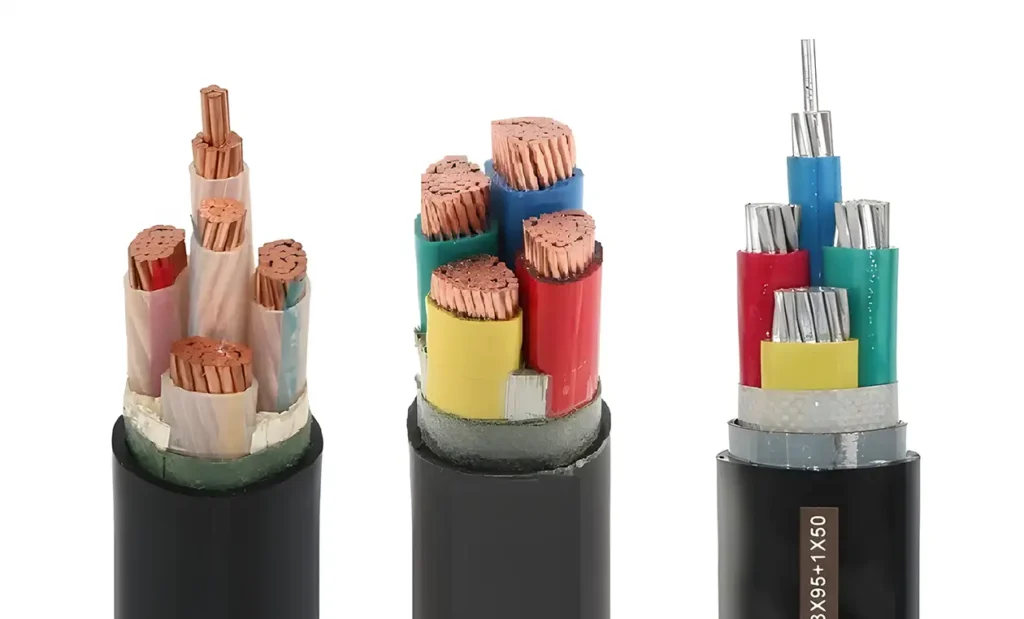
Technical Specifications & Comparison Matrix
The table below outlines the core structural and operational parameters of IEC 60502-1 XLPE/PVC low-voltage cables compared to standard PVC-insulated alternatives.
| Technical Parameter | XLPE/PVC Cable (IEC 60502-1) | Standard PVC Cable (IEC 60502-1) | Engineering Advantage |
| Rated Voltage () | 0.6/1 kV | 0.6/1 kV | Standardized low-voltage rating |
| Conductor Material | Class 1 Solid or Class 2 Stranded Annealed Copper / Aluminum | Class 1 Solid or Class 2 Stranded Annealed Copper / Aluminum | High conductivity to IEC 60228 |
| Max. Operating Temperature | 90°C | 70°C | +28% higher continuous thermal capacity |
| Short-Circuit Temperature | 250°C (max 5s) | 160°C (max 5s) | Higher withstand during fault conditions |
| Insulation Resistance | Significantly lower dielectric power loss | ||
| Flame Retardancy | IEC 60332-1-2 | IEC 60332-1-2 | Self-extinguishing fire performance |
| Minimum Bending Radius | Single Core: / Multi-Core: | Single Core: / Multi-Core: | Reliable physical routing tolerances |
Key Performance Advantages in Industrial Facilities
Enhanced Thermal Capacity and Current Ampacity
- Higher Continuous Current Loading: XLPE insulation allows the conductor to run continuously at 90°C, enabling smaller conductor cross-sections to carry the same current load compared to 70°C PVC cables.
- Overload Resilience: Demonstrates superior resistance to thermal aging and deformation under transient overload conditions.
Mechanical Protection & Armoring Options
- Unarmored Variants: Suitable for indoor conduits, cable trays, and direct installation in dry or damp industrial areas.
- Steel Wire Armor (SWA) / Steel Tape Armor (STA): Optional metallic armor layers built to IEC 60502-1 provide heavy mechanical protection against impact, crush forces, and rodent damage in direct-burial applications.
Environmental & Chemical Endurance
- Moisture Penetration Resistance: The dual-layer construction prevents water ingress, protecting the Annealed Copper or Aluminum conductors from corrosion.
- Chemical Immunity: The outer PVC compound resists hydrocarbons, alkalis, and acids present in heavy industrial environments like processing plants and refineries.
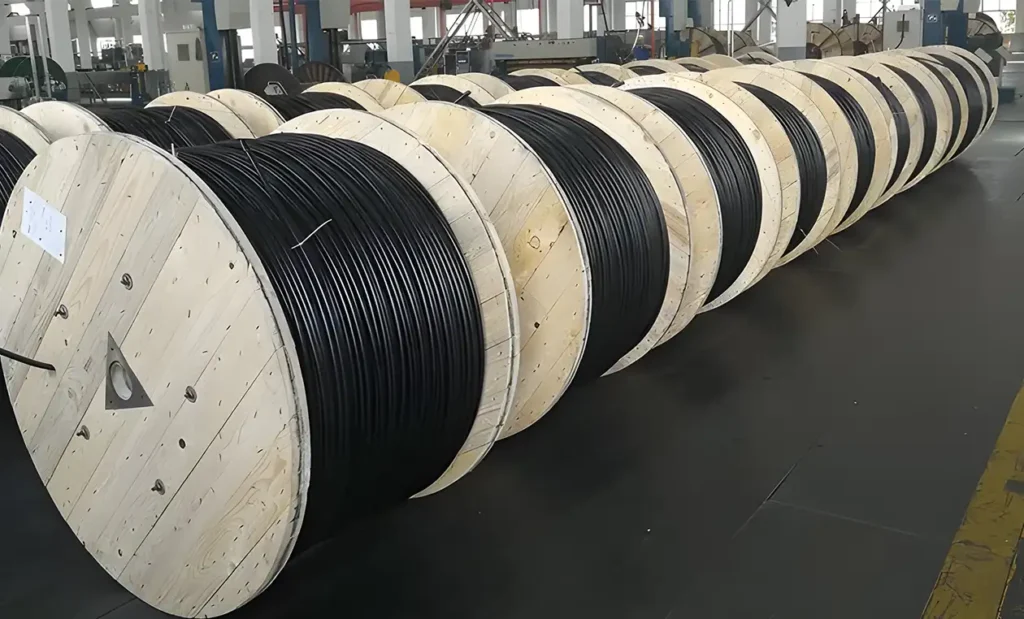
CJDL CABLE Engineering Insight & Field Benchmark
As a manufacturer of IEC 60502-1 power cables, our engineering team evaluates conductor selection by application economics rather than initial cost alone. For compact indoor distribution, copper-conductor N2XY remains the standard choice; for long-distance industrial feeders, aluminum-conductor NA2XY (both are XLPE-insulated, PVC-sheathed cables to IEC 60502-1) delivers superior ROI. In solar farm projects supplied by CJDL CABLE, switching 0.6/1 kV main lines from N2XY 185 mm² to NA2XY 240 mm² cut initial material costs by 42% [insert pricing basis, e.g., “based on 2025 procurement prices”] while keeping voltage drop below 3% over 200-meter runs at the project’s operating load. We recommend upsizing NA2XY by 1–2 cross-sectional steps and terminating with rated bimetallic lugs. All cables are manufactured and routine-tested to IEC 60502-1, including conductor resistance and AC voltage withstand tests (3.5 kV, 5 minutes).