

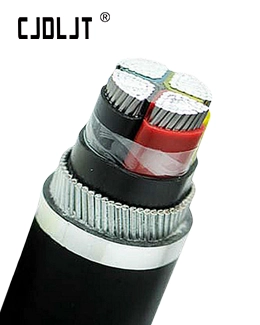
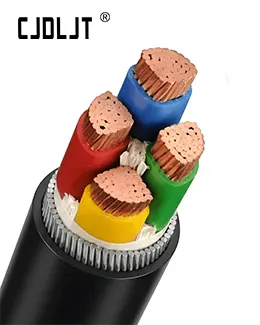
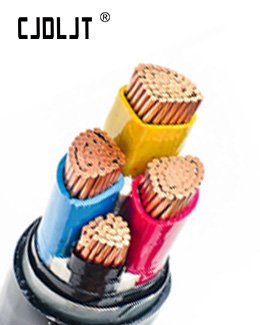
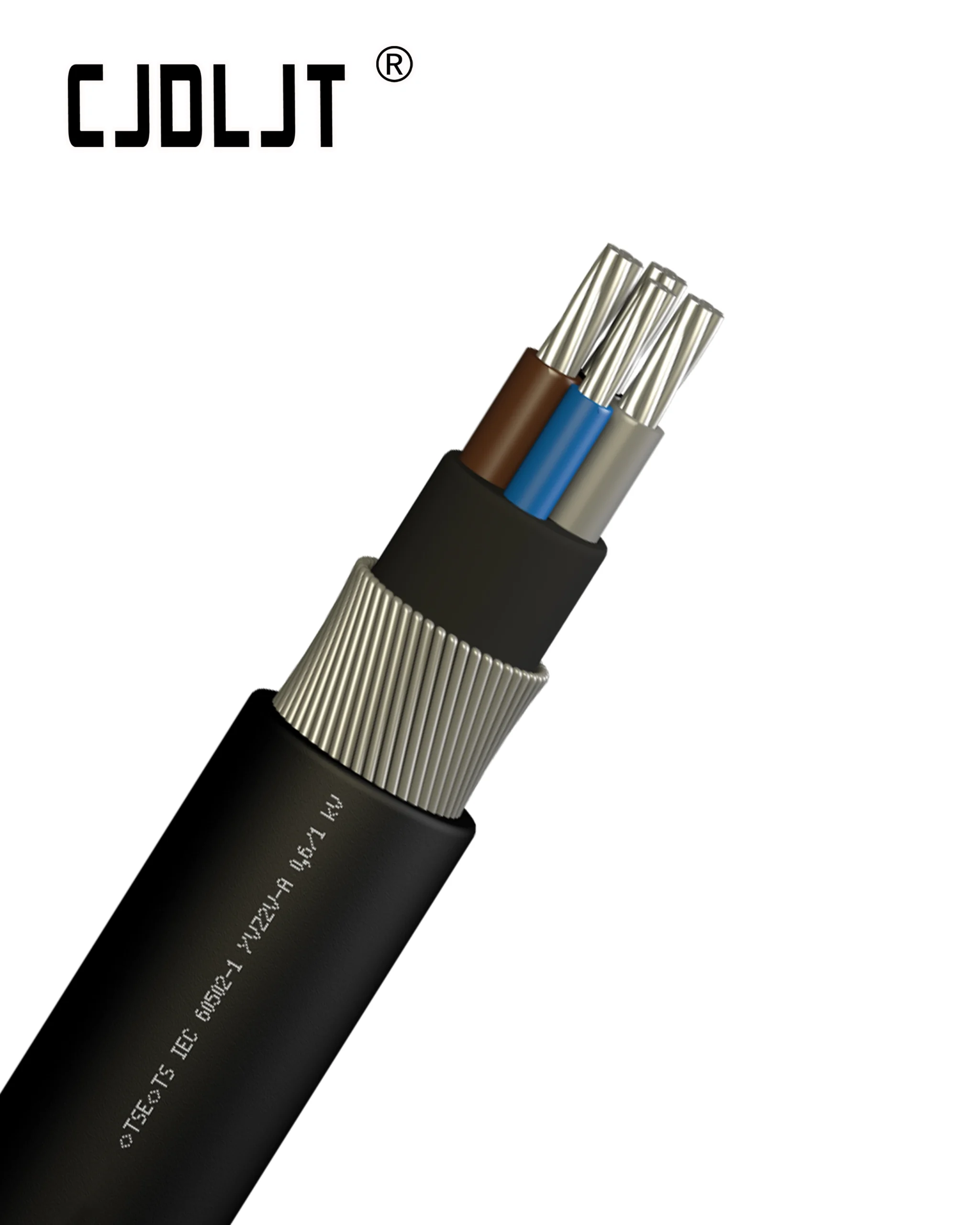

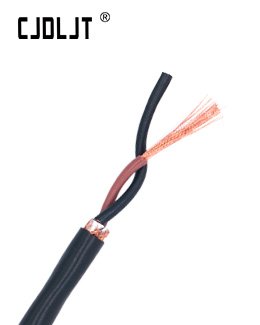

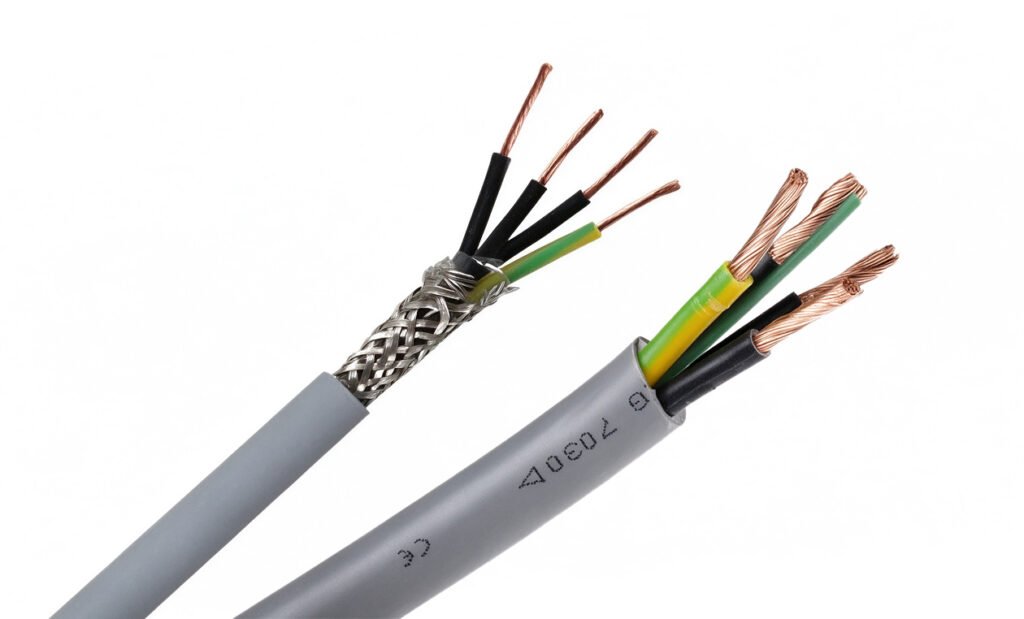
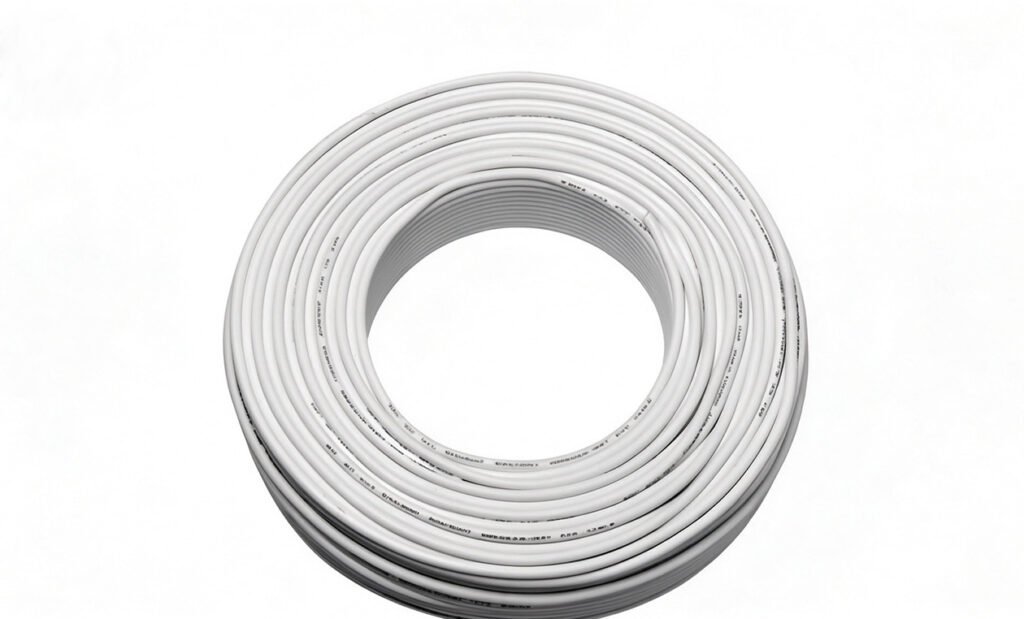
YY control cables (also known as YSLY) are unscreened multi-core PVC-insulated and PVC-sheathed cables designed for general control and signal transmission. CY control cables (YSLCY) add an overall tinned-copper braid screen for electromagnetic interference (EMI) protection. Both are typically rated 300/500 V, use flexible Class 5 copper conductors, and comply with common European and international construction practices for industrial control applications. Select YY for simple digital signals in low-noise environments; select CY whenever analogue signals, high-speed digital data, or proximity to power cables require effective EMI shielding.
Technical Parameter Comparison Matrix
| Parameter | YY Control Cable (YSLY) | CY Control Cable (YSLCY) |
|---|---|---|
| Conductor | Flexible annealed copper, Class 5 | Flexible annealed copper, Class 5 |
| Insulation | PVC | PVC |
| Screening | None | Overall tinned-copper braid |
| Outer Sheath | PVC | PVC |
| Rated Voltage | 300/500 V | 300/500 V |
| Continuous Operating Temperature | 70 °C | 70 °C |
| EMI Protection | None | High (braid coverage typically ≥80 %) |
| Flexibility | High | High (slightly reduced by braid) |
| Typical Core Counts | 2–61 cores | 2–61 cores |
| Common Applications | Basic digital I/O, contactor control | Analogue signals, PLC, frequency inverters |
| Relevant Standards | VDE 0250, DIN 47100 colour code | VDE 0250, DIN 47100 colour code |
Construction Differences
YY cables consist of finely stranded copper conductors, PVC insulation, a non-metallic bedding or filler, and a PVC outer sheath. They contain no metallic screen.
CY cables follow the same basic construction but include a tinned-copper wire braid applied over the core assembly before the outer sheath. The braid provides a low-impedance path to earth and significantly attenuates both electric and magnetic field interference.
Electromagnetic Compatibility Performance
Unscreened YY cables are susceptible to induced noise when installed parallel to power cables, near variable-frequency drives, or in environments with high electromagnetic activity. CY cables with an overall braid screen reduce coupled noise by 30–60 dB depending on frequency and braid coverage, making them suitable for 4–20 mA analogue loops, encoder signals, and sensitive PLC inputs.
Application Selection Guidelines
Use YY control cables when:
- Only discrete digital on/off signals are transmitted
- Cable routes are short and separated from power circuits
- Cost minimisation is a priority
- No significant EMI sources are present
Use CY control cables when:
- Analogue signals (0–10 V, 4–20 mA) are present
- Cables run alongside power or motor cables
- Frequency converters, servo drives, or switching power supplies are nearby
- Signal integrity and noise immunity are critical for system reliability
Installation and Earthing Notes
For CY cables, the braid must be properly terminated at both ends (or at least at the receiving end) using EMC cable glands or 360° earthing clamps to maintain shielding effectiveness. Leaving the screen floating significantly reduces its performance. YY cables require no special earthing beyond the protective earth conductor if included.
Compliance and Material Options
Both cable types are commonly manufactured to VDE-based constructions and can be supplied with alternative sheath materials (oil-resistant PVC, LSZH) when project specifications demand them. Core identification follows DIN 47100 colour coding or black cores with white numbers.
Summary: Choose YY control cables for cost-effective transmission of basic digital control signals in clean electromagnetic environments. Choose CY control cables whenever reliable signal integrity under EMI exposure is required, particularly in modern industrial automation systems using PLCs, analogue instrumentation, and variable-speed drives.