

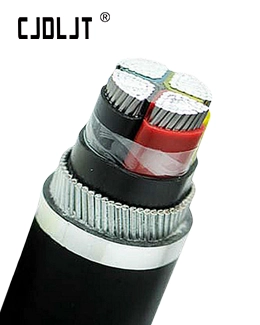
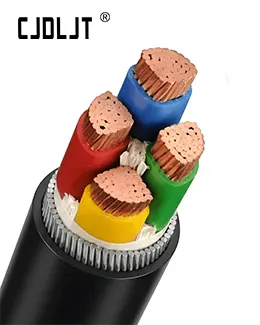
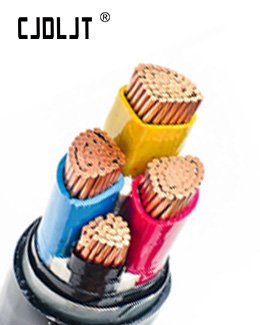
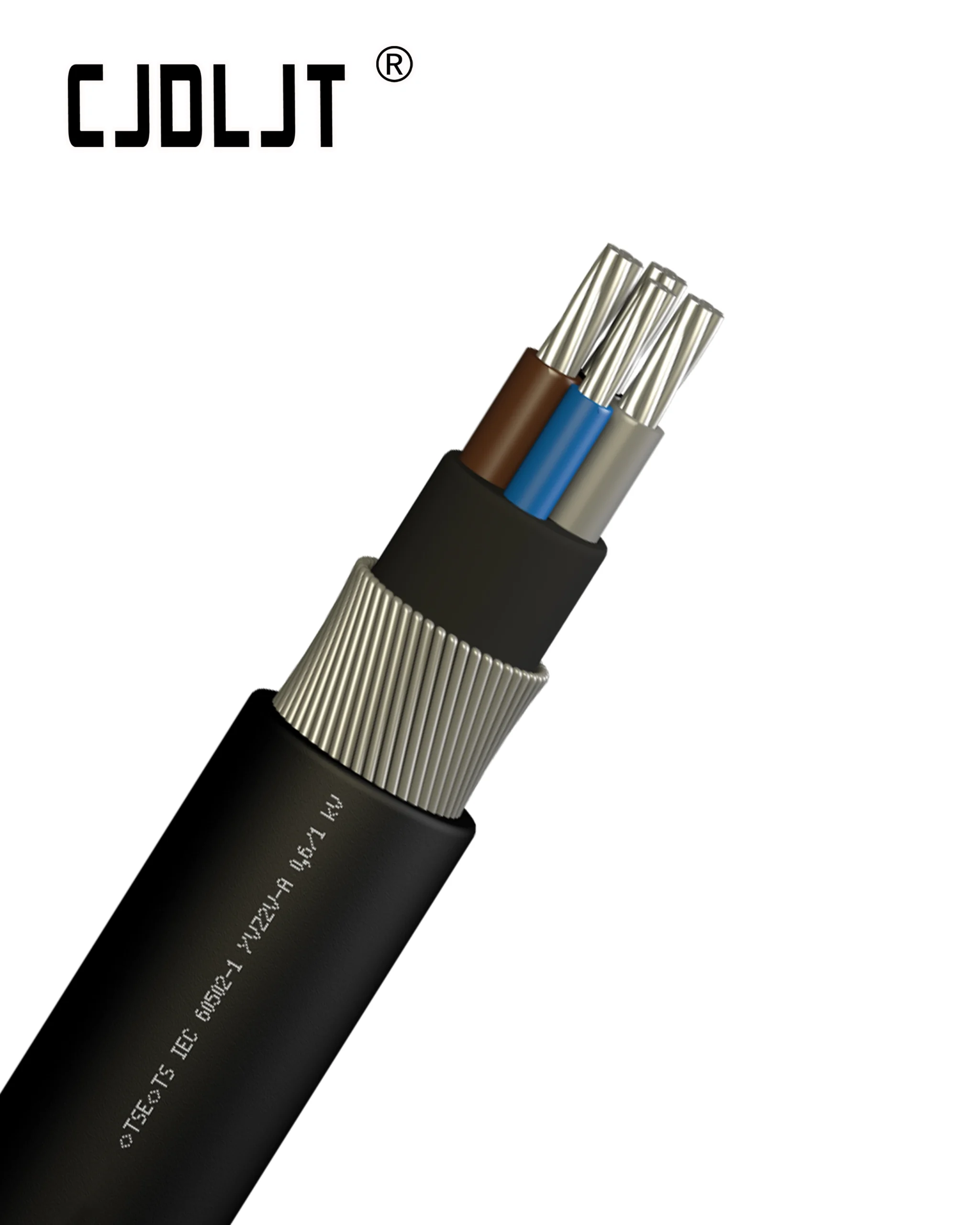

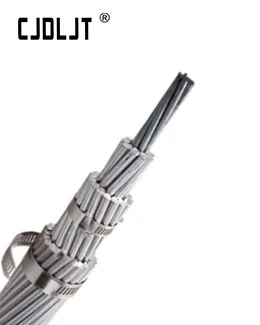
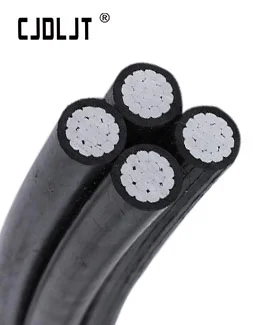
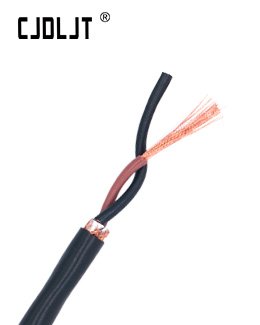

Cable operating temperature directly dictates current-carrying capacity (ampacity), electrical resistance, insulation lifespan, and structural integrity. According to standards such as IEC 60502 [1] and IEC 60287 [2], exceeding rated thermal limits accelerates the thermal aging of polymeric insulation (such as XLPE or PVC), increasing dielectric losses and conductor resistance. Higher temperatures elevate ohmic losses (I2R), creating a compounding thermal feedback loop that can lead to thermal runaway, insulation breakdown, and catastrophic failure. Conversely, operating significantly below thermal limits underutilizes material capability, while severe sub-zero exposure causes jacket embrittlement.
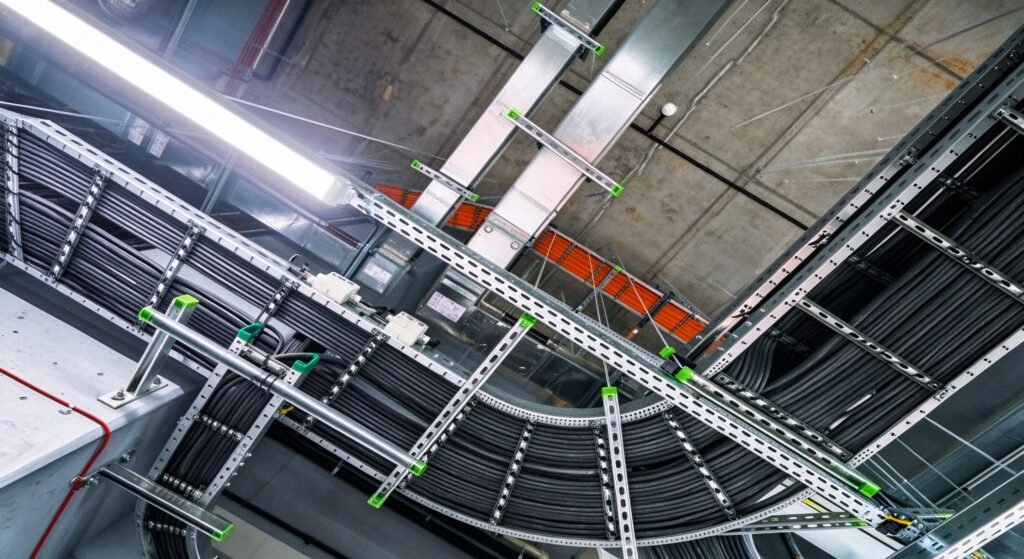
Power Cable Insulation Thermal Ratings & Parameters Matrix
| Insulation / Jacket Type | Max Continuous Operating Temp (°C) | Emergency Overload Temp (°C) | Max Short-Circuit Temp (5s, °C) | Primary Governing Standards | Key Performance Characteristics |
|---|---|---|---|---|---|
| XLPE (Cross-linked Polyethylene) [3] | 90∘C | 130∘C | 250∘C | IEC 60502-2, ICEA S-95-658 | Superior thermal stability, low dielectric loss, high ampacity. |
| PVC (Polyvinyl Chloride) [4] | 70∘C to 90∘C | 100∘C to 120∘C | 160∘C | IEC 60502-1, BS 6346 | Cost-effective, good chemical resistance, lower thermal threshold. |
| EPR (Ethylene Propylene Rubber) | 90∘C | 130∘C | 250∘C | IEC 60502, IEEE 400 | Excellent flexibility, high resistance to thermal deformation and ozone. |
| LSZH (Low Smoke Zero Halogen) | 90∘C | 120∘C | 250∘C | IEC 60754, IEC 61034 | Flame retardant, zero toxic halogen emissions during thermal failure. |
Conductor Resistance, Ohmic Losses, and Ampacity Derating
Conductor operating temperature directly controls electrical resistance. For metallic conductors like Annealed Copper or Aluminum, electrical resistance increases linearly with temperature in accordance with the temperature coefficient of resistance.
- Ohmic Heating: As resistance (R) rises due to elevated heat, I2R power losses increase, generating additional internal heat.
- Ampacity Derating: Ambient temperatures exceeding baseline design parameters (30∘C in soil, 40∘C in air) require immediate ampacity derating multipliers to prevent exceeding maximum conductor thresholds.
- Skin and Proximity Effects: High operational temperatures alter AC resistance multipliers, compounding energy inefficiencies in large-format multi-core power cables.
Polymer Insulation Aging and Dielectric Integrity
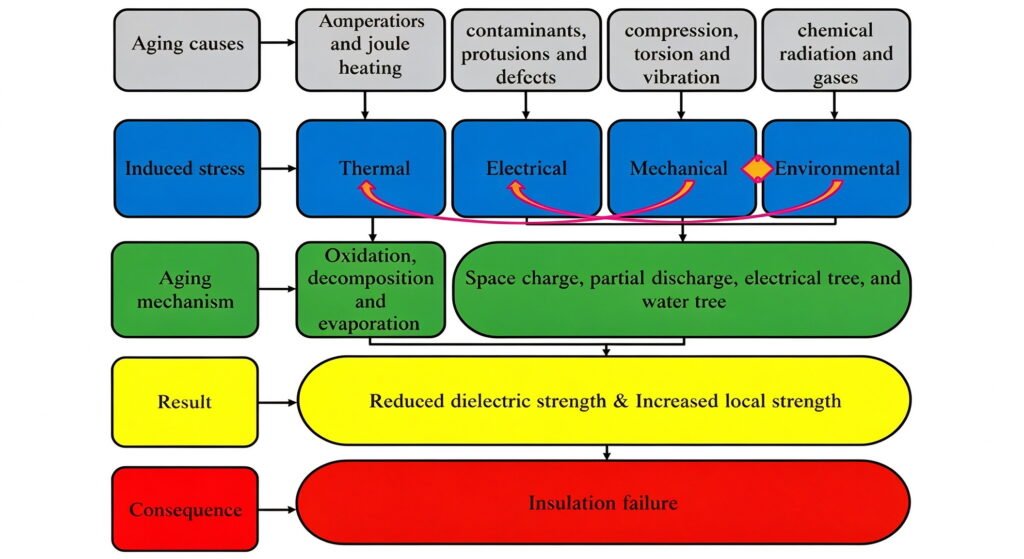
Thermal stress is the primary catalyst for the degradation of organic polymer matrices used in cable insulation and outer sheathing.
- The Arrhenius Rule: Insulation lifespan typically halves for every 10∘C rise above the rated continuous operating temperature.
- Oxidative Degradation: Elevated temperatures accelerate oxygen diffusion into XLPE and PVC networks, causing cross-link chain scission, embrittlement, and micro-cracking.
- Dielectric Dissipation: Higher thermal states increase the dielectric dissipation factor (tanδ), raising internal dielectric losses and accelerating electrical treeing under high-voltage AC stress.
Mechanical Stability and Short-Circuit Thermal Thresholds
Extreme thermal excursions introduce severe mechanical stresses across all structural layers of armoured and unarmoured power cables.
- Thermal Expansion Mismatch: Disparate thermal expansion coefficients between the conductor, insulation, metallic armor (SWA/STA), and outer jacket induce mechanical fatigue during cyclic loading.
- Short-Circuit Limits: During a fault condition, short-circuit currents generate massive adiabatic heating. Exceeding short-circuit thresholds (250∘C for XLPE) causes physical softening, melting, and potential extrusion of the insulation layer through metallic shielding tapes.
- Jacket Integrity: Sustained high operating temperatures degrade plasticizer retention in outer jackets, leading to shrinkage, cracking, and loss of environmental sealing against moisture ingress.
References
[1] Wikipedia. IEC 60502 [EB/OL]. 2026-11-11.
[2] Wikipedia. IEC 60287 [EB/OL]. 2026-11-11.
[3] Wikipedia. Cross-linked polyethylene [EB/OL]. 2026-11-11.
[4] Wikipedia. Polyvinyl chloride [EB/OL]. 2026-11-11.