

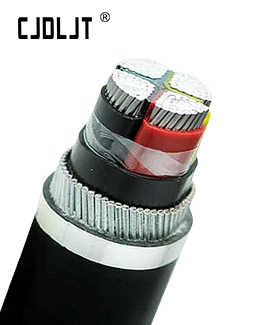
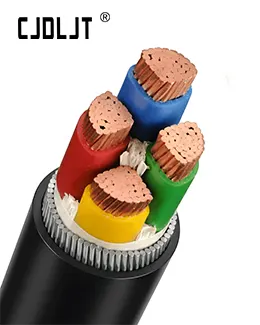
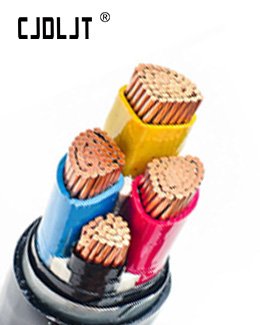
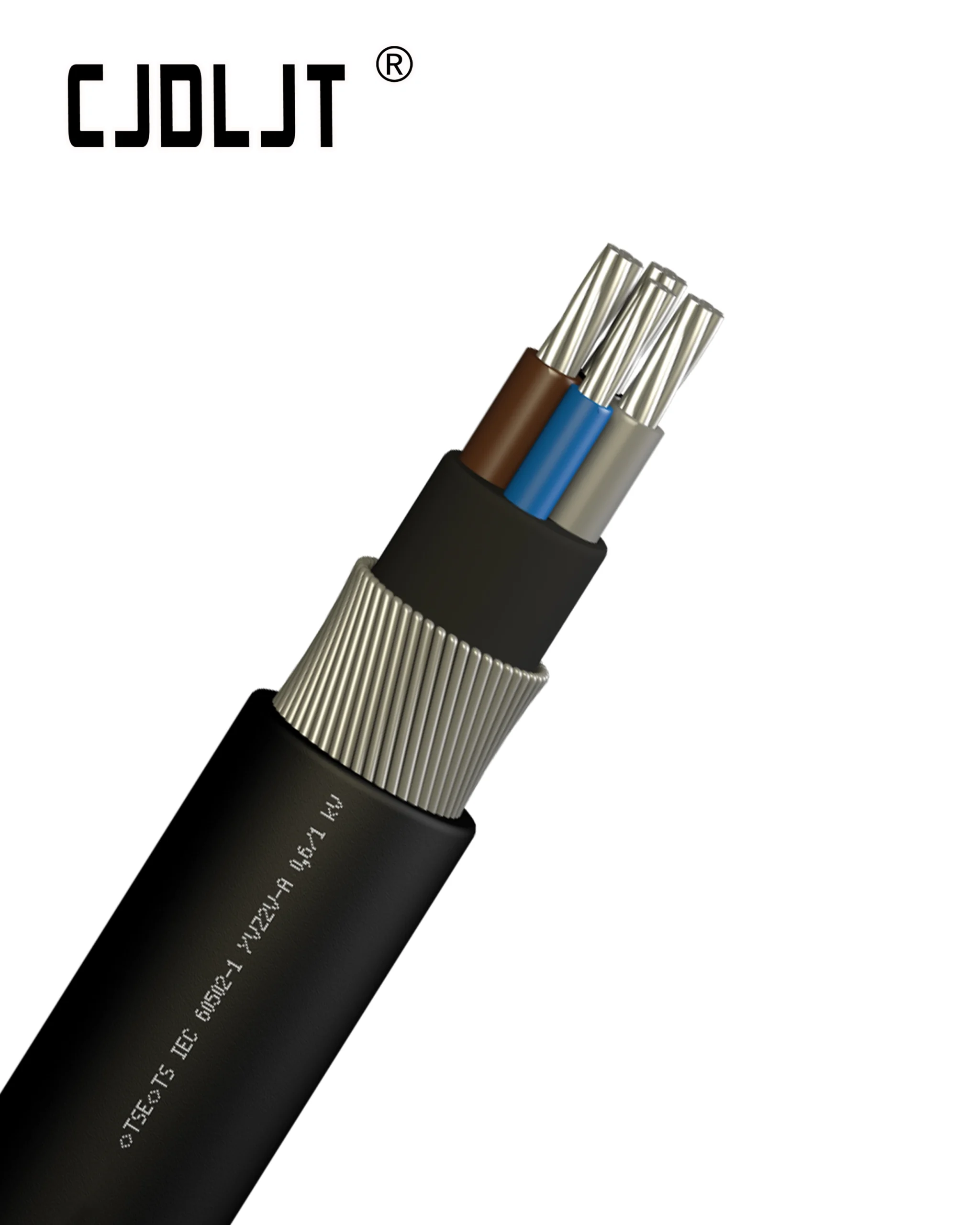

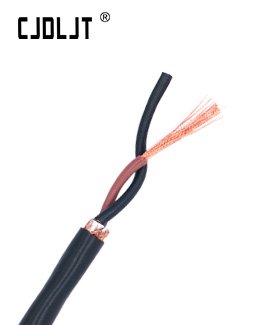

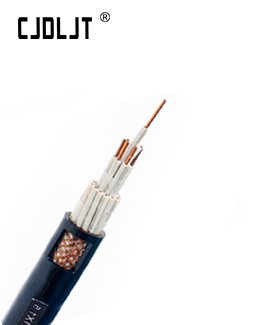
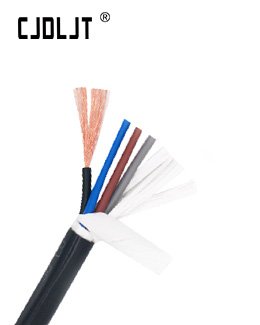
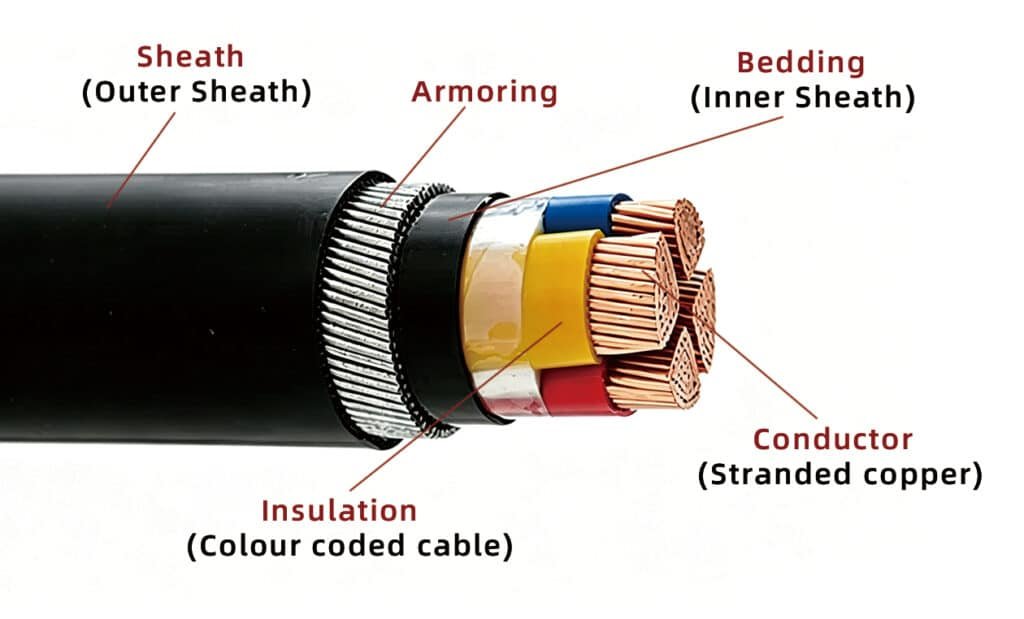
An armored cable is a power or control cable with a protective metallic layer around the insulation/jacket to provide mechanical protection against impact, digging, abrasion, and moisture.
Common armor types include galvanised steel wire armor (SWA), steel tape armor (STA), and aluminium armor (AWA).
The armor may also serve as a grounding/bonding path in some designs.
Armored cables are preferred for buried, outdoor, or harsh-industrial installations where physical damage is likely.
Terminations require compatible glands/connectors and may need armor clamps.
They should comply with standards such as IEC 60502-1, BS 5467, EN 50525, and regional codes.
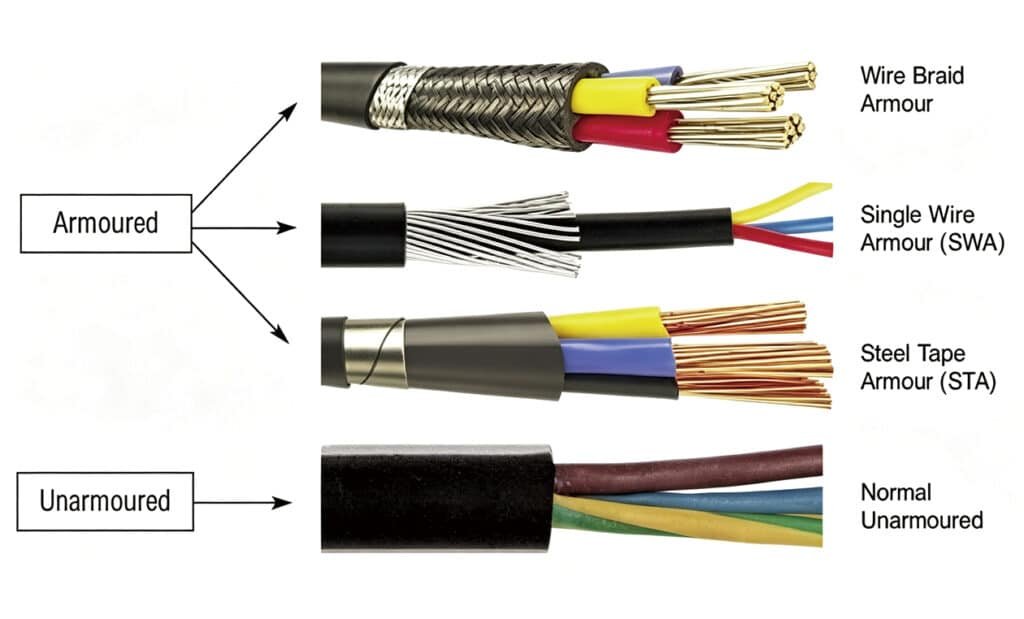
Armour Types and Applications
Steel Wire Armor (SWA): Highest mechanical protection; common in buried or exterior runs.
Steel Tape Armor (STA): Good protection with potentially lower weight than SWA; used in flexible, long-run installations.
Aluminium Armor (AWA): Lighter than steel; corrosion resistance can be higher in aggressive environments; used where weight is a concern.
SOP / Checklist (Selection, Installation, Testing)
1.Identify application and risk
Buried, outdoor, or harsh-industrial environment? Confirm mechanical protection needs.
2.Choose armor type
SWA for maximum protection; STA for flexible long runs; AWA for lighter weight and corrosion considerations.
3.Verify conductor and insulation
Confirm copper/aluminum, insulation type (XLPE, PVC), and jacket material (LSZH, PVC).
4.Check voltage and temperature ratings
Ensure compatibility with system voltage class (e.g., 0.6/1 kV) and operating temperature.
5.Assess termination and glanding
Use armor-rated glands and connectors; ensure enclosure/cable tray compatibility.
6.Plan routing and supports
Determine bends, supports, and spacing per manufacturer data and IEC/BS guidance.
7.Installation practices
Avoid sharp bends; use appropriate pulling equipment; follow sag/strain guidelines; ensure proper bend radii.
8.Testing and commissioning
Visual inspection; continuity and insulation resistance tests; verify mechanical integrity after routing.
9.Documentation
Record armor type, cross-section, MBL, termination method, and regional approvals.
10.Regional standards check
Cross-reference IEC 60502-1, BS 5467, EN 50525 with local codes; confirm part numbers and supplier data sheets.