

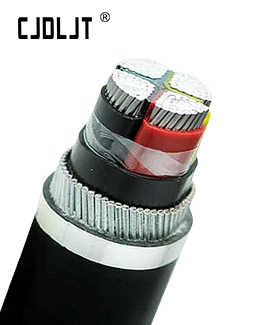
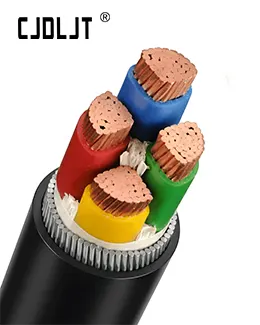
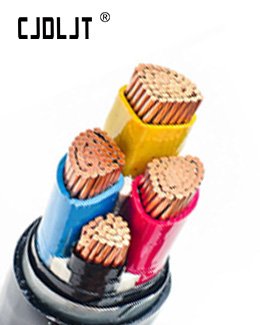
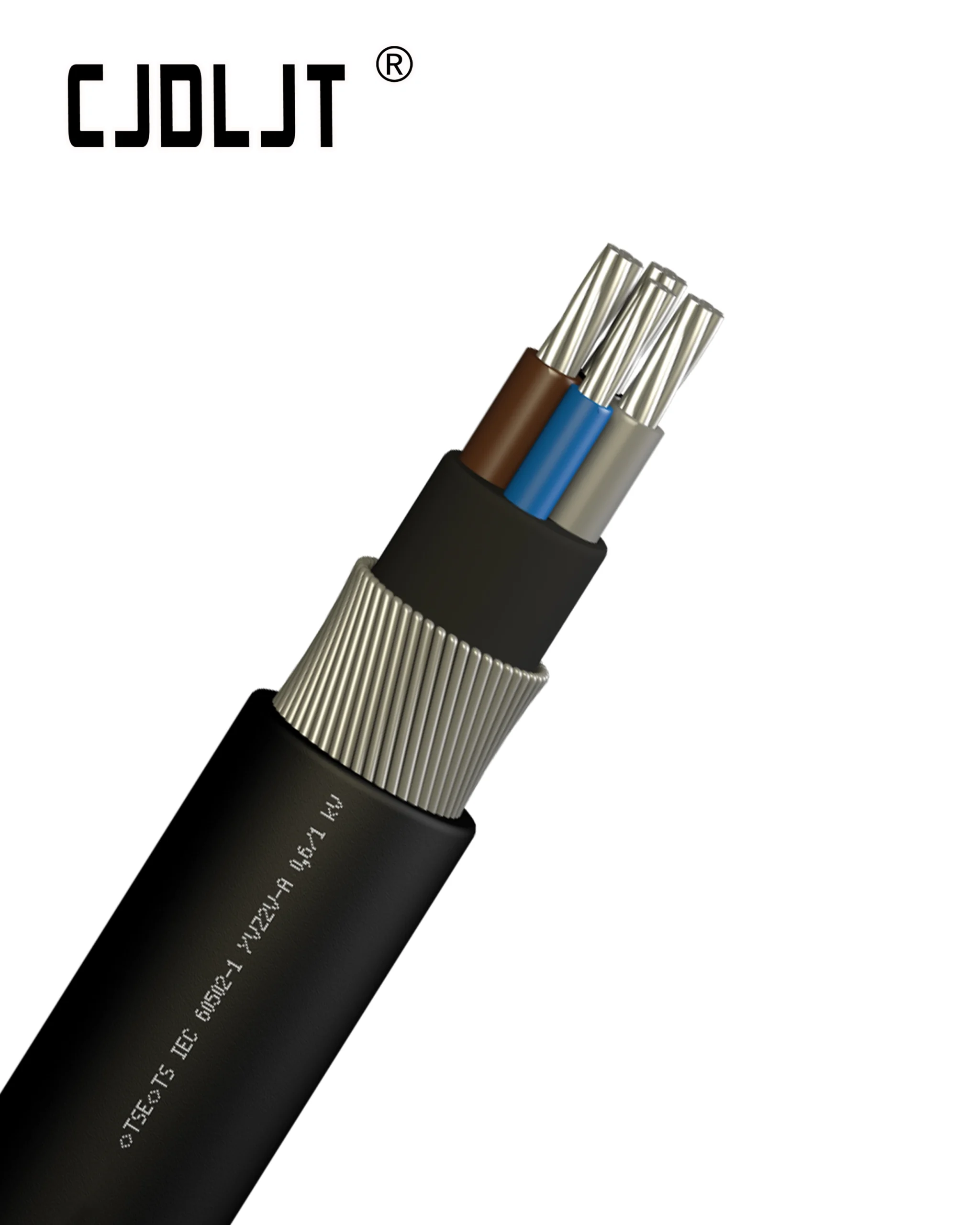


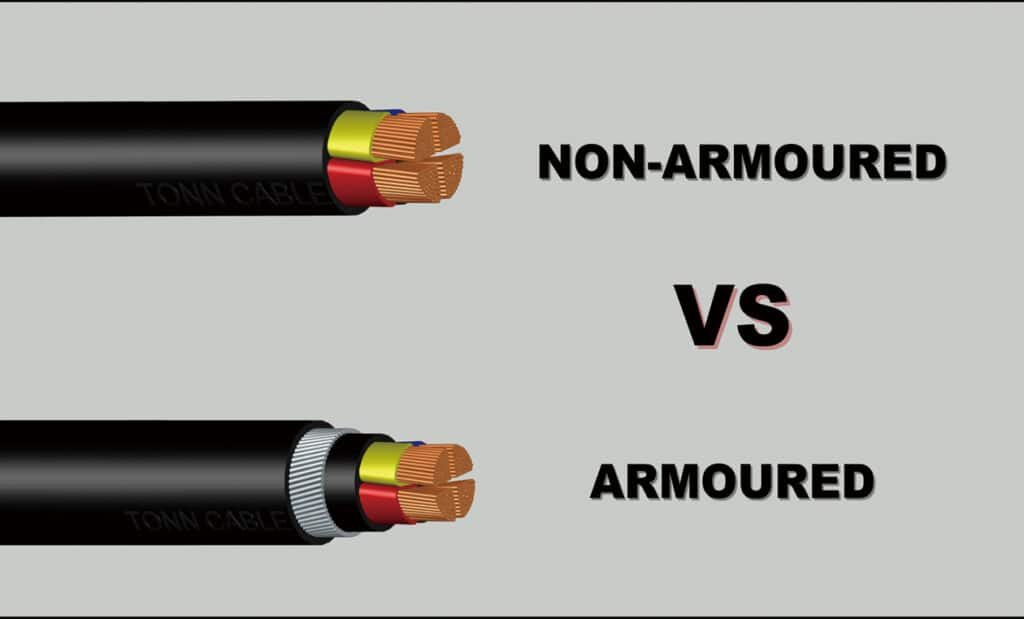
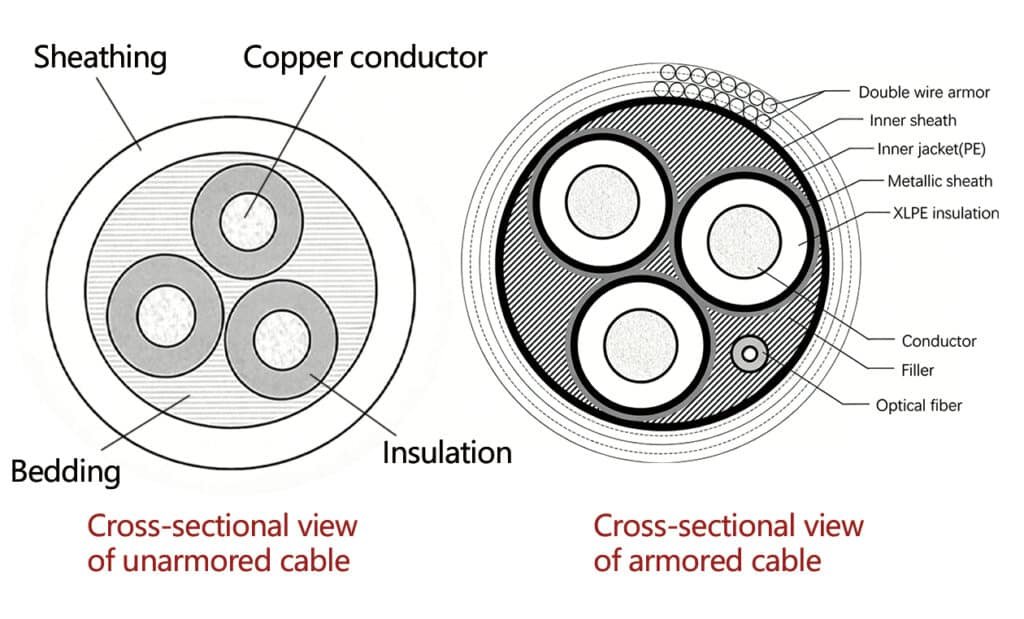
Armored cables have higher upfront material and termination costs and heavier installation requirements, but they reduce damage risk, outages, and certain maintenance needs in harsh environments.
In direct burial, outdoor runs, or oil/chemical environments, armor can lower long-term expenses by preventing repairs and replacements.
In protected indoor or short indoor runs, unarmored cables often offer lower total cost of ownership.
Typical ranges: material cost for armored cables is roughly 1.3×–2.0× that of unarmored; installation labor can be 1.2×–1.5×; armor gland/termination adds 2×–3× per end.
Maintenance savings depend strongly on exposure and failure history.
Hidden Indirect and Failure-Derived Lifecycle Costs
Beyond direct hardware and labor expenditures, the implicit auxiliary matching and post-fault derivative costs of the two types of cables cannot be ignored in overall engineering cost accounting.
Unarmored cables deployed in unprotected complex scenarios often require additional supporting auxiliary protective auxiliary facilities such as external threading pipes, anti-collision isolation brackets and waterproof wrapping accessories in the early stage, which will indirectly narrow the initial cost gap with armored cables; once accidental extrusion, corrosion, external force scratching and other failures occur, the power outage linkage loss of supporting production equipment, on-site emergency rush repair dispatch cost, and secondary debugging calibration cost after cable replacement will form intangible high hidden expenditure.
In contrast, although armored cables have no extra auxiliary protection supporting investment in the early stage, the later routine special detection of armor layer anti-rust coating, fastening performance of layered joints and corrosion degree of metal sheath need to be matched with professional detection tooling and special post personnel timing operation, which belongs to fixed low-amplitude recurrent expenditure, with controllable cost fluctuation and no sudden large fund occupation.
For medium and long-term power supply supporting projects with a service life of more than 8 years, the implicit comprehensive cost advantage of standardized deployed armored cables is more prominent in high-risk working conditions.
Key Cost Drivers
Material and gland costs: Armor adds significant per-meter material cost and requires armor-rated glands/connectors.
Labor and routing complexity: Armor increases weight, stiffness, and bend radii constraints, elevating installation time and equipment needs.
Damage avoidance: In direct burial or outdoor exposure, armor reduces damage probability, lowering outage-related costs and maintenance calls.
Longevity and maintenance: Armor lowers corrective maintenance in harsh environments but adds periodic inspection needs for armor fittings and gland seals.
Lifecycle risk: The cost delta is highly environment-dependent; coastal, mining, or outdoors typically favors armored cables economically over time.
SOP / Checklist (Cost-Focused Installation & Maintenance)
1.Define service environment (outdoor/indoor, route type, exposure risks)
2.Quantify damage & downtime risk costs
3.Select cable type by environment (armored/unarmored)
4.Gather quotes: materials, glands, terminations, labor
5.Develop a cost model (scenario-based lifecycle analysis)
6.Address installation constraints (bend radii, pulling tension, equipment)
7.Plan termination & glanding (armor-rated glands, seals, enclosure fit)
8.Schedule maintenance intervals (inspections, testing, seal checks)
9.Evaluate TCO across scenarios (base/worst/best case)
10.Document & validate (assumptions, risks, standards compliance)