

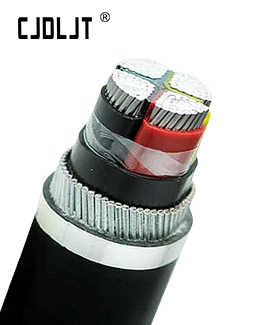
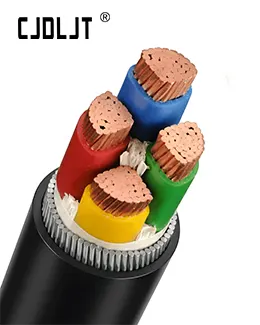
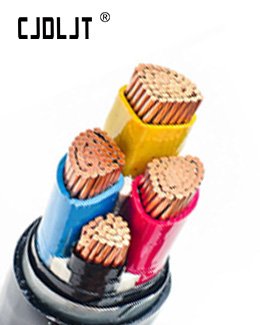
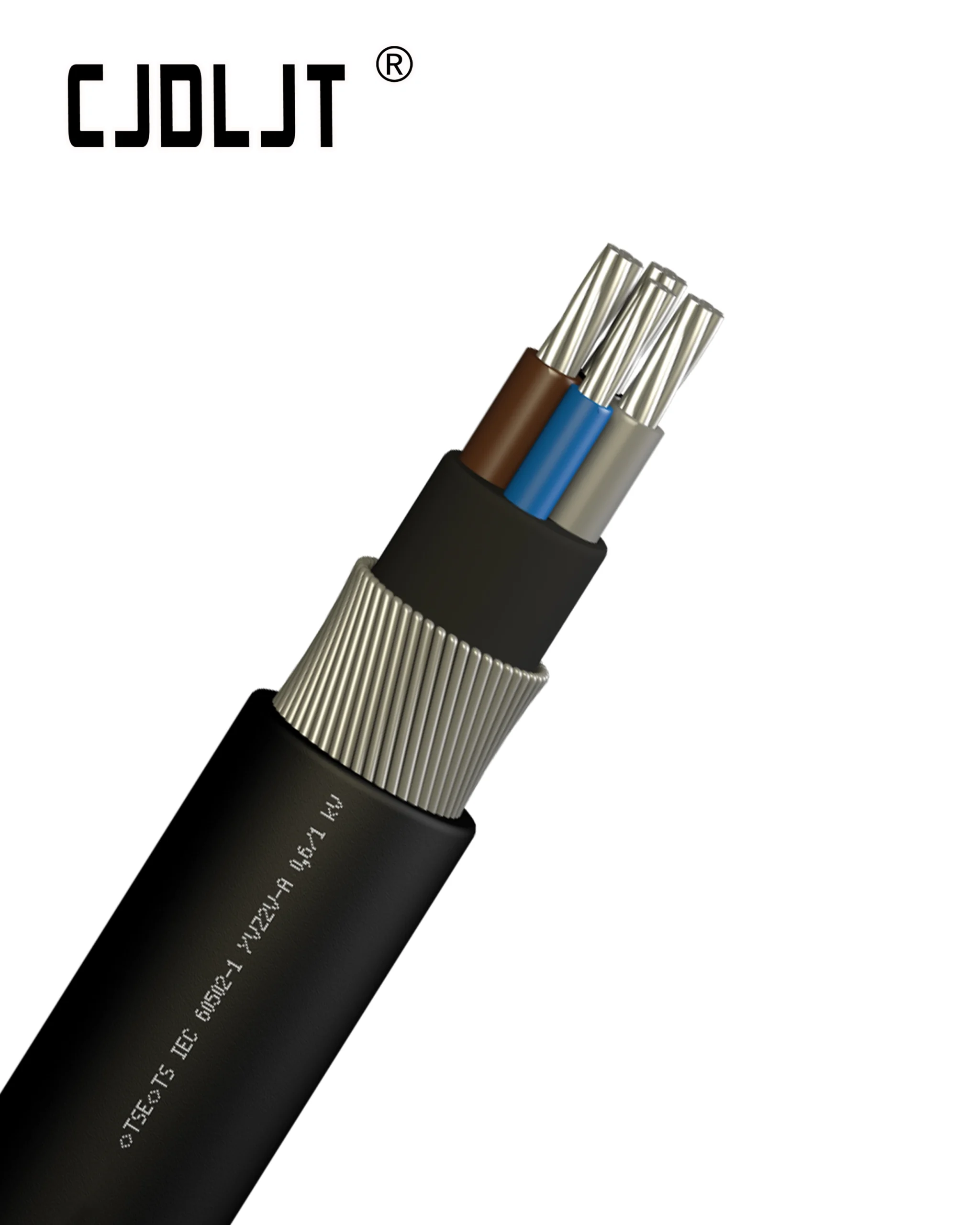


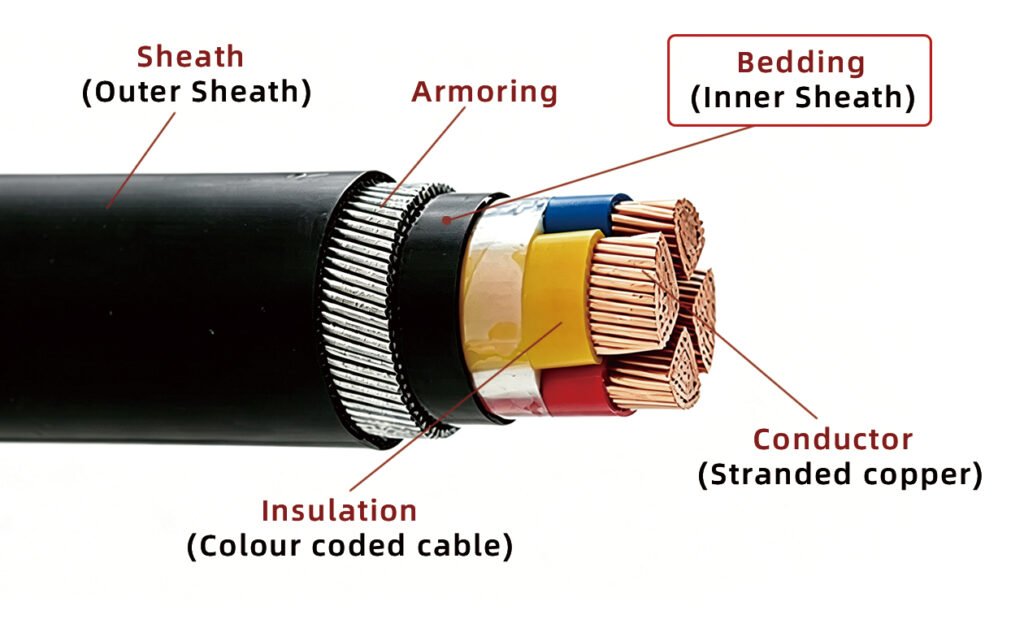
The bedding layer sits between the insulation and the armor. Its primary role is to provide a smooth, non-abrasive interface that prevents the armor from cutting or abrading the insulation during manufacturing, bending, and service.
It helps establish concentricity, absorbs mechanical stresses, and accommodates dimensional tolerances so the armor can be formed without compressing the insulation.
Bedding also acts as a moisture/chemical barrier and improves dielectric integrity by preventing direct contact between metal armor and the insulation.
Materials are typically PVC, PE, or elastomeric compounds, selected for fire performance and compatibility with the insulation and armor.
Definition, scope, and terminology Bedding layer: the non-conductive layer between conductor insulation and external armor, intended to protect insulation from armor edges and to promote concentricity.
Armor types: steel wire armor (SWA), aluminum armor, or braided armor; bedding interacts with all to prevent insulation damage.
Electrical and mechanical roles Electrical: provides a dielectric barrier to limit direct metal-to-insulation interaction and helps maintain insulation integrity under bending stress.
Mechanical: cushions abrasion, controls bedding-to-armour contact, and preserves cross-section geometry during thermal cycling and handling.
Materials and construction options PVC bedding: common, cost-effective, flame-retardant variants available.
PE bedding: lower friction, good moisture resistance in some designs.
Elastomeric bedding: improved flexibility for tight bending radii and dynamic loading.
Compatibility: must be chemically compatible with insulation (e.g., XLPE, PVC) and armor; must not compromise insulation or shield performance.
Installation and quality considerations Thickness control: ensure uniform bedding thickness to maintain bending radius and prevent gaps.
Handling: avoid tearing bedding during sheath extrusion or armor lay-up.
Inspection: verify absence of air pockets, delamination, or direct insulation-armour contact in finished cable.
SOP / Checklist (Bedding Layer in Armored Cables)
1.Confirm cable design
Identify insulation type, armor type, and presence of bedding layer in the bill of materials.
2.Select bedding material
Choose PVC/PE/elastomeric bedding with appropriate flame rating and chemical compatibility.
3.Define bedding thickness
Target 0.3–2.0 mm based on conductor diameter, insulation hardness, and armor geometry.
4.Verify material compatibility
Check supplier data sheets for adhesion to insulation and bonding to armor.
5.Prepare extrusion/lay-up process
Calibrate extrusion temperature and line speed to achieve uniform bedding thickness without air gaps.
6.Inspect during manufacture
Use dimensional checks and surface inspection to ensure smooth, crack-free bedding.
7.Post-process verification
Perform dielectric/hi-pot tests, mechanical bend tests, and visual inspection for signs of abrasion or delamination.
8.Field installation checks
Ensure bedding remains intact after installation, with no armor-edge damage to insulation.
9.Documentation
Record bedding material, thickness, cure/processing parameters, and test results for traceability.
10.Maintenance and lifecycle
Include bedding integrity in routine inspections of armored cables in service.