

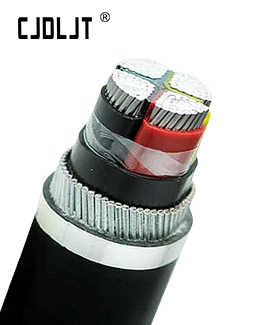
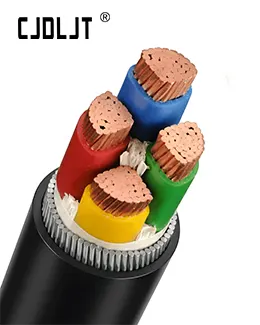
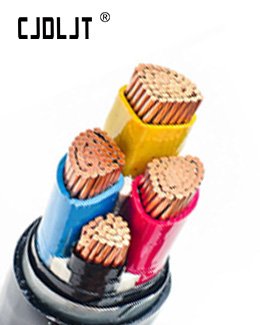
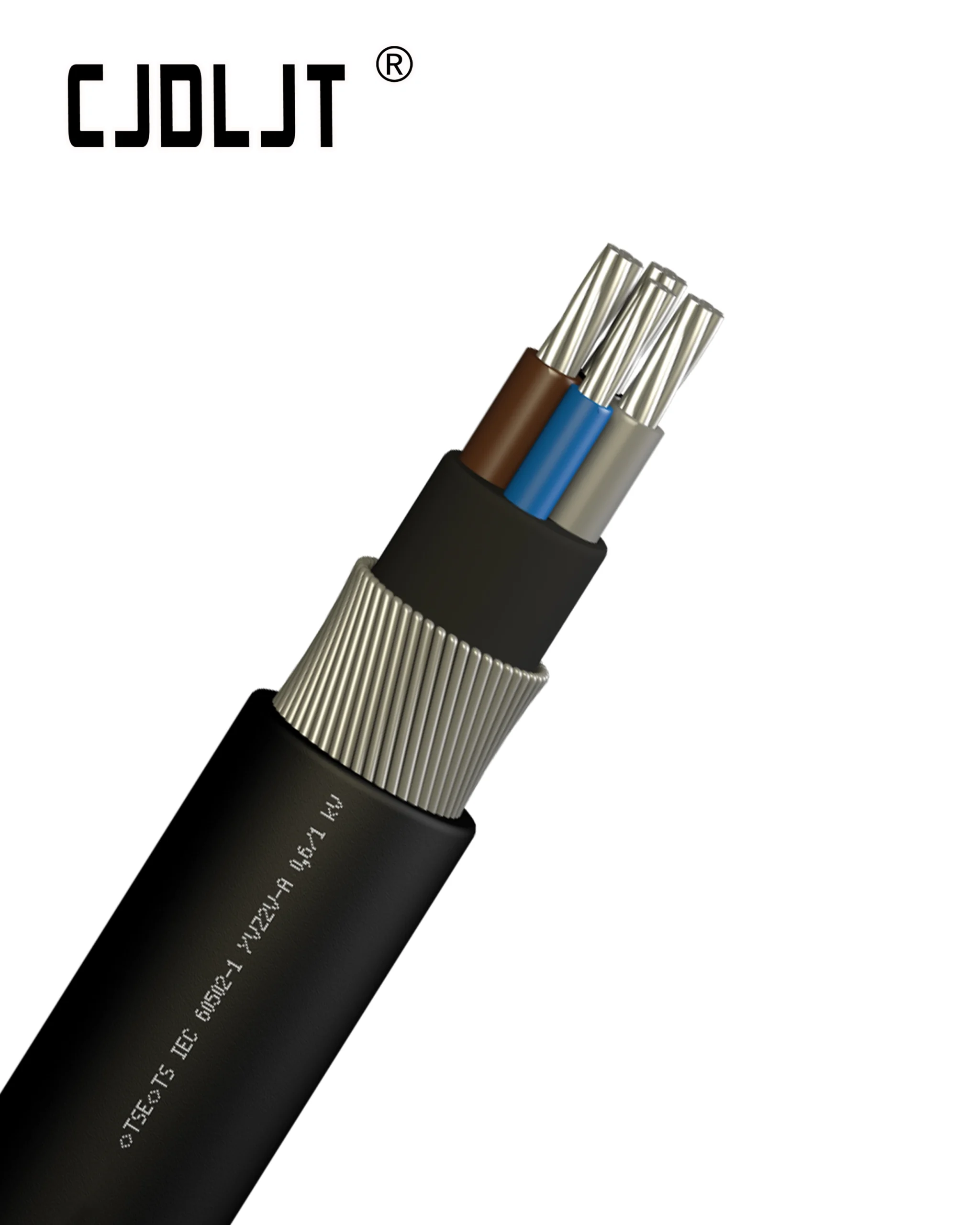


Selecting the Right Messenger Wire Design for Low Voltage ABC (Aerial Bundled Cable)
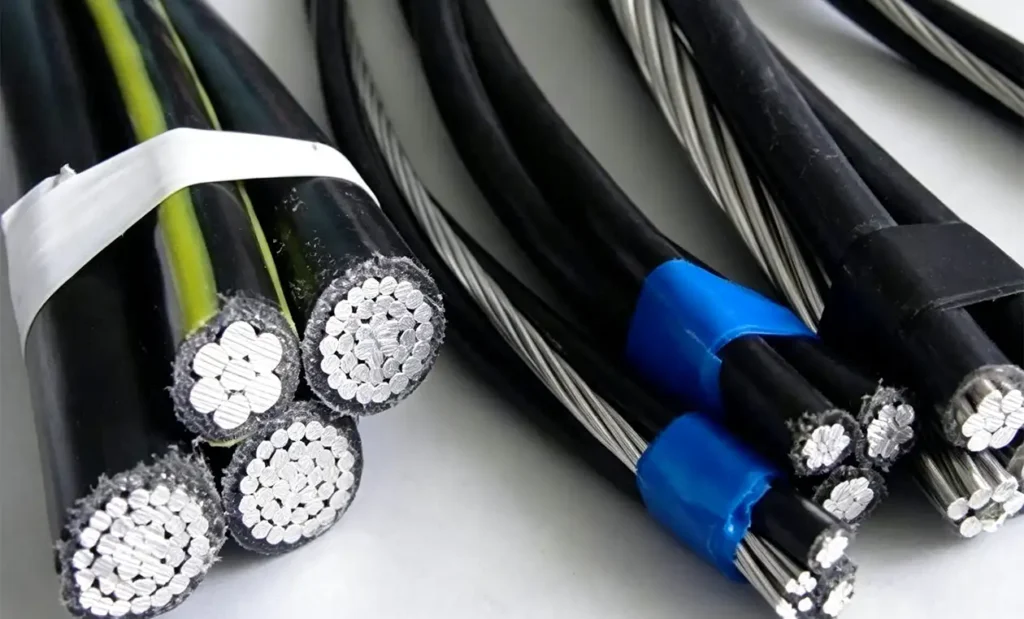
Low voltage Aerial Bundled Cable (LV ABC, rated 0.6/1 kV) utilizes three primary messenger system designs: Neutral Messenger System (NFC 33-209), Self-Supporting System (HD 626 S1), and Bare Steel Messenger System (ANSI/ICEA S-76-474). Choosing the correct configuration depends directly on mechanical tensile loads, environmental corrosion parameters, and safety requirements. The Neutral Messenger System uses an Aluminum Alloy Conductor (AAAC 6201) as an insulated, load-bearing neutral wire, ideal for long spans and urban distribution. The Self-Supporting System distributes mechanical tension equally across all phase conductors, making it suitable for short spans. The Steel-Core System uses an ACSR messenger for high-strain utility lines.
Technical Comparison Matrix: ABC Messenger System Configurations
The parameters below define the structural, mechanical, and electrical distinctions across the three main LV ABC messenger system standards, compliant with IEC 60502-1, NFC 33-209, and HD 626.
| Technical Parameter | Insulated Neutral Messenger System (NFC 33-209) | Self-Supporting System (HD 626 S1) | Bare/Insulated Steel-Core System (ANSI/ICEA) |
| Primary Messenger Material | AAAC (Al-Mg-Si Alloy 6201) | None (Tension shared by AAC Phase Cores) | ACSR or Galvanized Steel Wire |
| Tensile Strength Range | 295–320 MPa | 160–200 MPa (Per Phase Conductor) | 1,200–1,400 MPa (Steel Core) |
| Mechanical Load Bearing | Dedicated Neutral Conductor only | Distributed equally among 4 cores | Dedicated Steel/ACSR Conductor |
| Standard Span Capability | Medium to Long Spans (50m – 80m) | Short Spans (30m – 40m) | Extreme Spans (> 100m) |
| Insulation Material | XLPE or HDPE (Carbon Black ≥ 2%) | XLPE (Cross-Linked Polyethylene) | Optional PVC / XLPE sheath or Bare |
| Max Operating Temperature | 90°C (Continuous) / 250°C (Short Circuit) | 90°C (Continuous) / 250°C (Short Circuit) | 90°C (Continuous) / 250°C (Short Circuit) |
| Corrosion Resistance | High (Insulated Alloy) | High (Insulated AAC) | Moderate to Low (Atmospheric exposure risk) |
| Neutral Electrical Function | Combines Return Neutral + Mechanical Support | Phase cores carry load; neutral is non-structural | Return Neutral + High Tension Support |
Technical Analysis of LV ABC Messenger Architectures
1. Insulated Neutral Messenger System (French Standard NFC 33-209)
In this system, mechanical tension is borne exclusively by an insulated AAAC neutral core (typically 50 mm², 70 mm², or 95 mm²). The phase conductors (AAC) are bundled loosely around the messenger without bearing structural load.
- Key Benefit: Eliminates short circuits caused by phase-to-phase mechanical stress.
- Application: Urban and rural distribution networks requiring high reliability and medium span lengths (50m–80m).
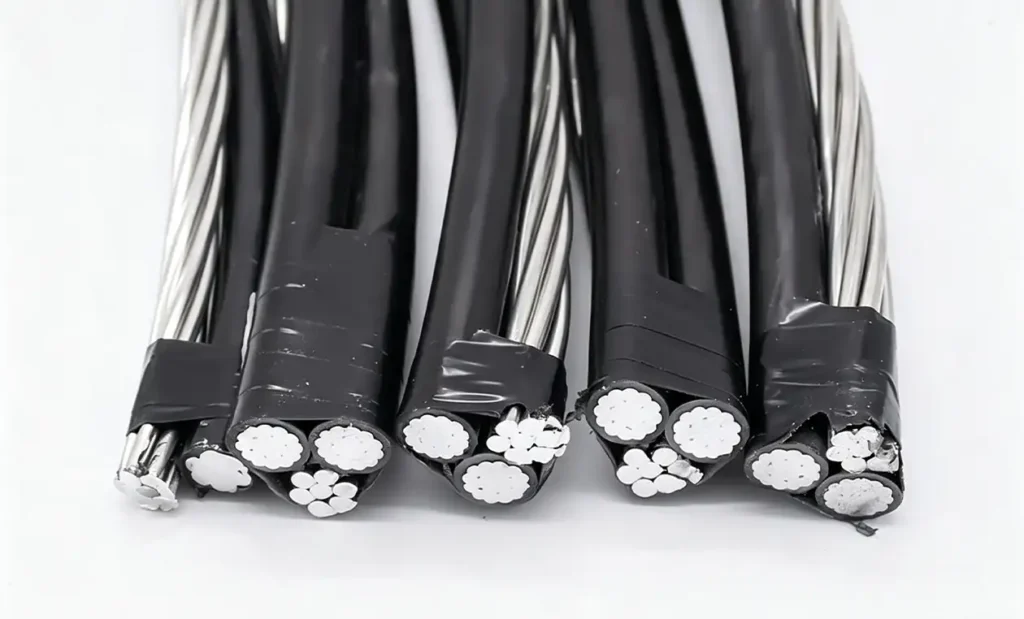
2. Four-Core Self-Supporting System (European Standard HD 626 S1)
This configuration lacks a dedicated high-strength messenger core. All four cores (3 Phases + Neutral) consist of AAC and are tensioned equally using four-groove strain clamps.
- Key Benefit: Lower manufacturing cost and uniform hardware geometry.
- Application: Short-span service connections (30m–40m), drop cables, and low-wind residential zones.
3. ACSR / Steel Core Messenger System (ANSI / ICEA Standard)
Utilizes an ACSR (Aluminum Conductor Steel Reinforced) or solid galvanized steel strand as the messenger wire. The neutral conductor can be bare or covered.
- Key Benefit: Highest breaking load capability for extreme mechanical spans or heavy ice loading.
- Application: River crossings, mountainous terrain, and long-span utility networks exceeding 100 meters.