

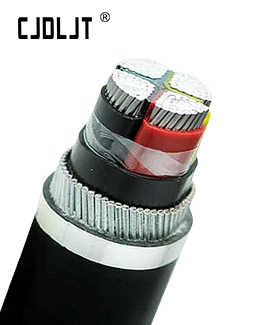
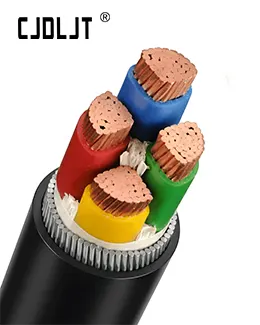
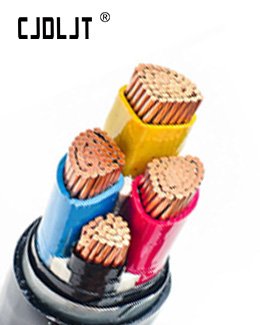
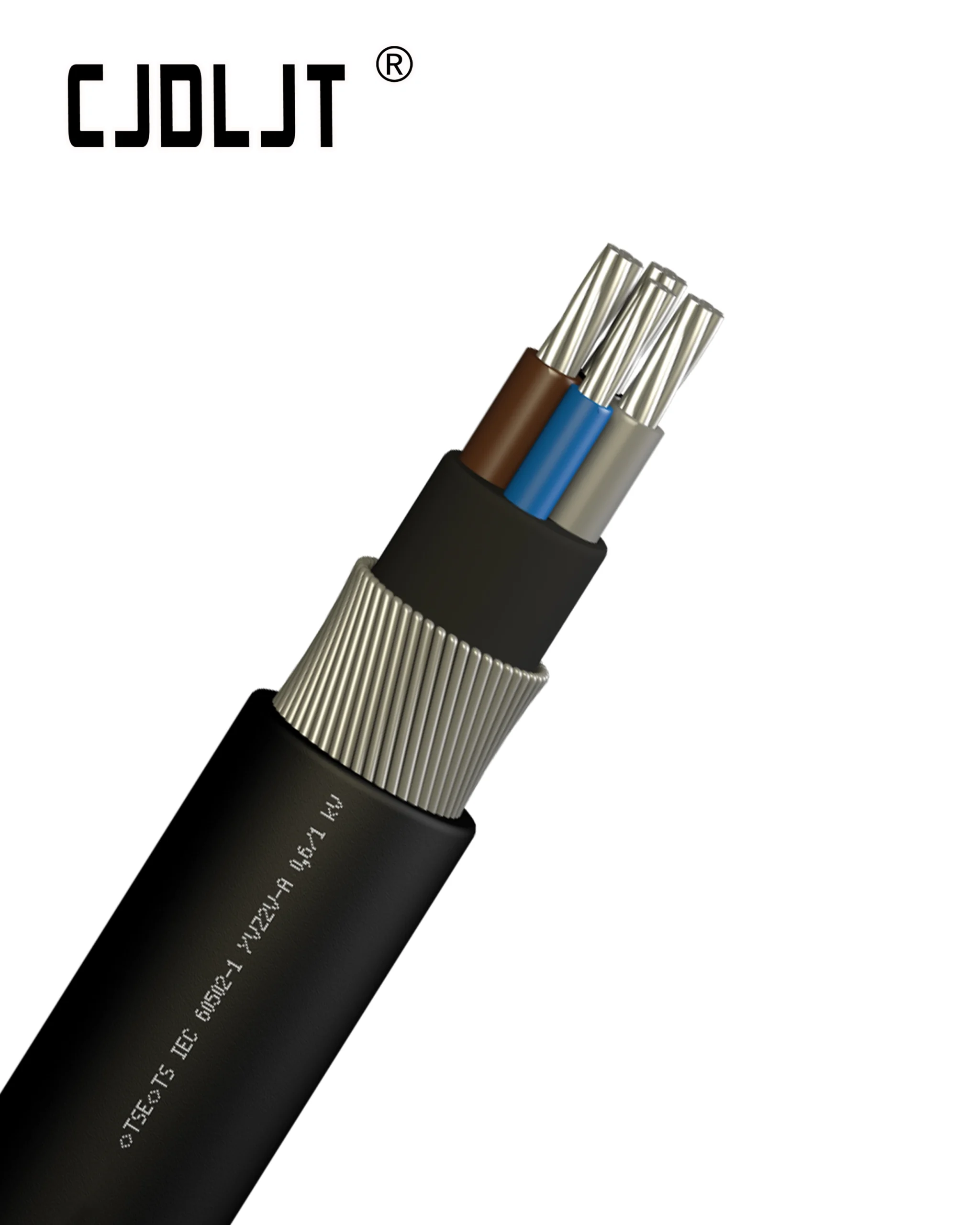


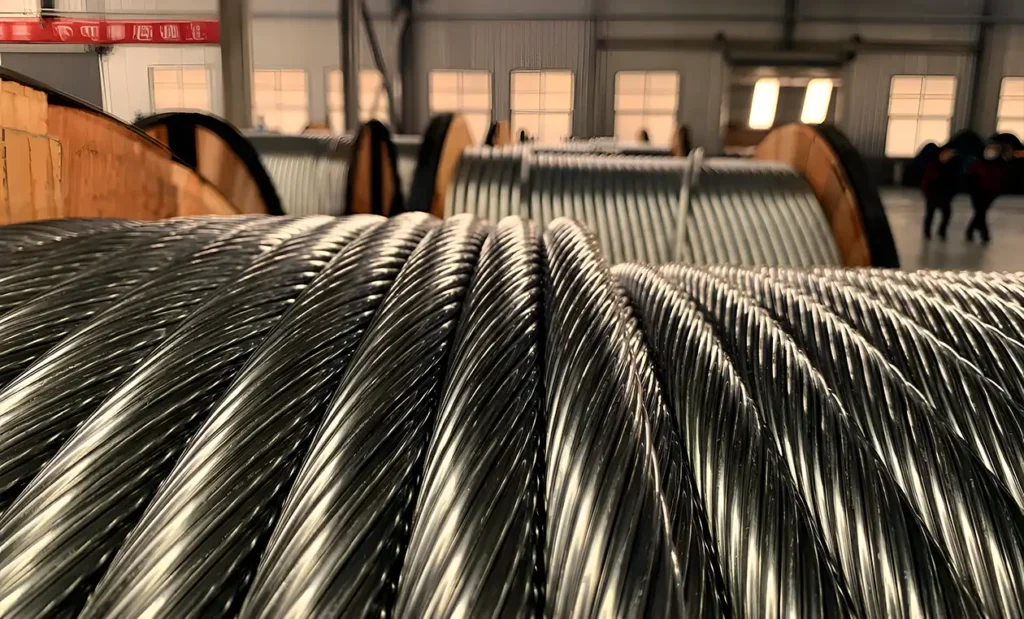
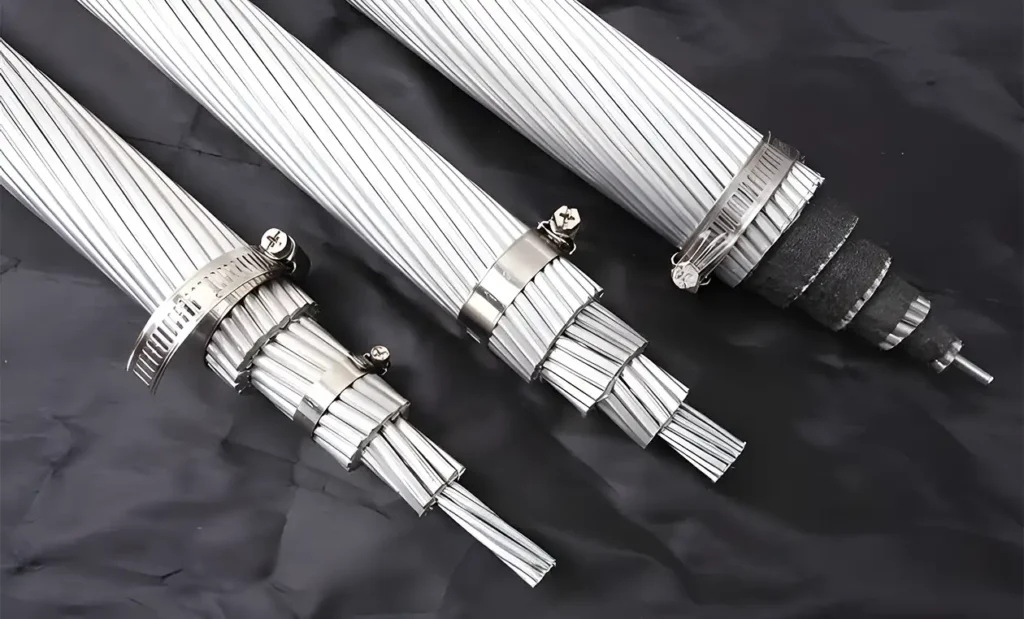
AAC (All Aluminium Conductor) is a refined, concentric-lay-stranded conductor composed exclusively of 1350-H19 aluminum wires (minimum 99.5% purity). Designed primary for short-span overhead power transmission and distribution lines, AAC delivers high electrical conductivity relative to weight in low-to-medium voltage urban utility networks. Operating at standard temperatures up to 75°C, it provides optimal corrosion resistance in coastal and industrial environments where steel reinforcement (such as in ACSR) is prone to galvanic degradation. AAC adheres to international manufacturing standards including IEC 61089, ASTM B231, and BS EN 50182, ensuring high dimensional accuracy and predictable electrical performance.
Technical Specifications & Performance Matrix
The structural and operational parameters below outline standard AAC performance criteria based on ASTM B231 and IEC 61089 guidelines for 1350-H19 hard-drawn aluminum conductors.
| Conductor Code Word / Size | Stranding No. × Wire Dia. (mm) | Approx. Overall Diameter (mm) | Total Cross-Sectional Area (mm2) | Max. DC Resistance at 20°C (Ω/km) | Rated Tensile Strength / Breaking Load (kN) | Current Carrying Capacity (A)* |
| Peach (70 MCM) | 7 × 2.54 | 7.62 | 35.47 | 0.8140 | 6.27 | 155 |
| Iris (150 MCM) | 7 × 3.71 | 11.13 | 75.69 | 0.3810 | 12.80 | 250 |
| Pansy (300 MCM) | 19 × 3.20 | 16.00 | 152.81 | 0.1890 | 25.10 | 400 |
| Dahlia (550 MCM) | 19 × 4.33 | 21.65 | 279.78 | 0.1030 | 44.50 | 590 |
| Orchid (650 MCM) | 37 × 3.37 | 23.59 | 329.98 | 0.0874 | 54.10 | 660 |
| Magnolia (950 MCM) | 37 × 4.08 | 28.56 | 483.42 | 0.0597 | 77.20 | 850 |
*Note: Ampacity ratings are based on conductor operating temperature, ambient air temperature, wind velocity, and solar radiation.
Conductor Structure & Material Composition
AAC conductors are engineered via reverse concentric-lay stranding, where successive wire layers are helically wound in opposite lay directions (typically right-hand outer lay) to prevent unwinding and maintain structural geometry.
- Conductor Material: 1350-H19 hard-drawn aluminum wires exhibiting a minimum conductivity of 61.2% IACS (International Annealed Copper Standard).
- Strand Construction: Single-wire center core surrounded by concentric layers of 6, 12, 18, or 24 wires. Common strand counts are 7, 19, 37, 61, and 91 wires.
- Weight-to-Conductivity Ratio: Provides approximately 2:1 conductivity-to-weight ratio compared to electrolytic copper, minimizing dead-weight load on supporting structures.
- Corrosion Resistance: Complete absence of ferrous components eliminates galvanic action, rendering AAC suitable for high-humidity, marine, and chemical atmosphere installations.
Primary Application Scenarios
AAC is deployed in overhead line architecture where mechanical tension requirements are modest, but high ampacity and corrosion protection are paramount.
- Urban Distribution Networks: Short-span overhead lines in urban sub-transmission and distribution grids where pole spacing is relatively tight ().
- Substation Busbars & Connections: Outdoor high-voltage substation connections, jumper leads, and busbar systems requiring high flexibility and lightweight conductors.
- Coastal Overhead Infrastructure: Power lines operating in coastal salt-spray environments where steel-reinforced conductors (ACSR) experience rapid core degradation.
- Industrial Power Distribution: Primary incoming overhead feeds within industrial parks, chemical processing plants, and port facilities.