

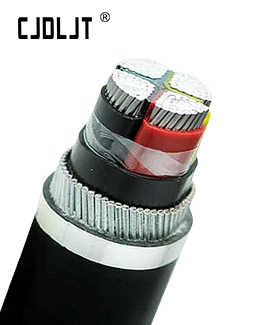
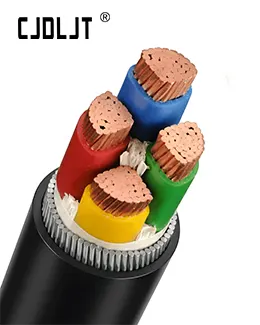
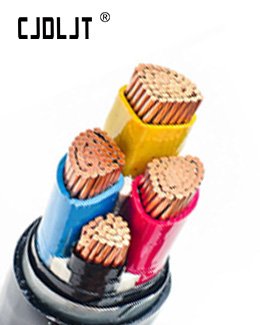
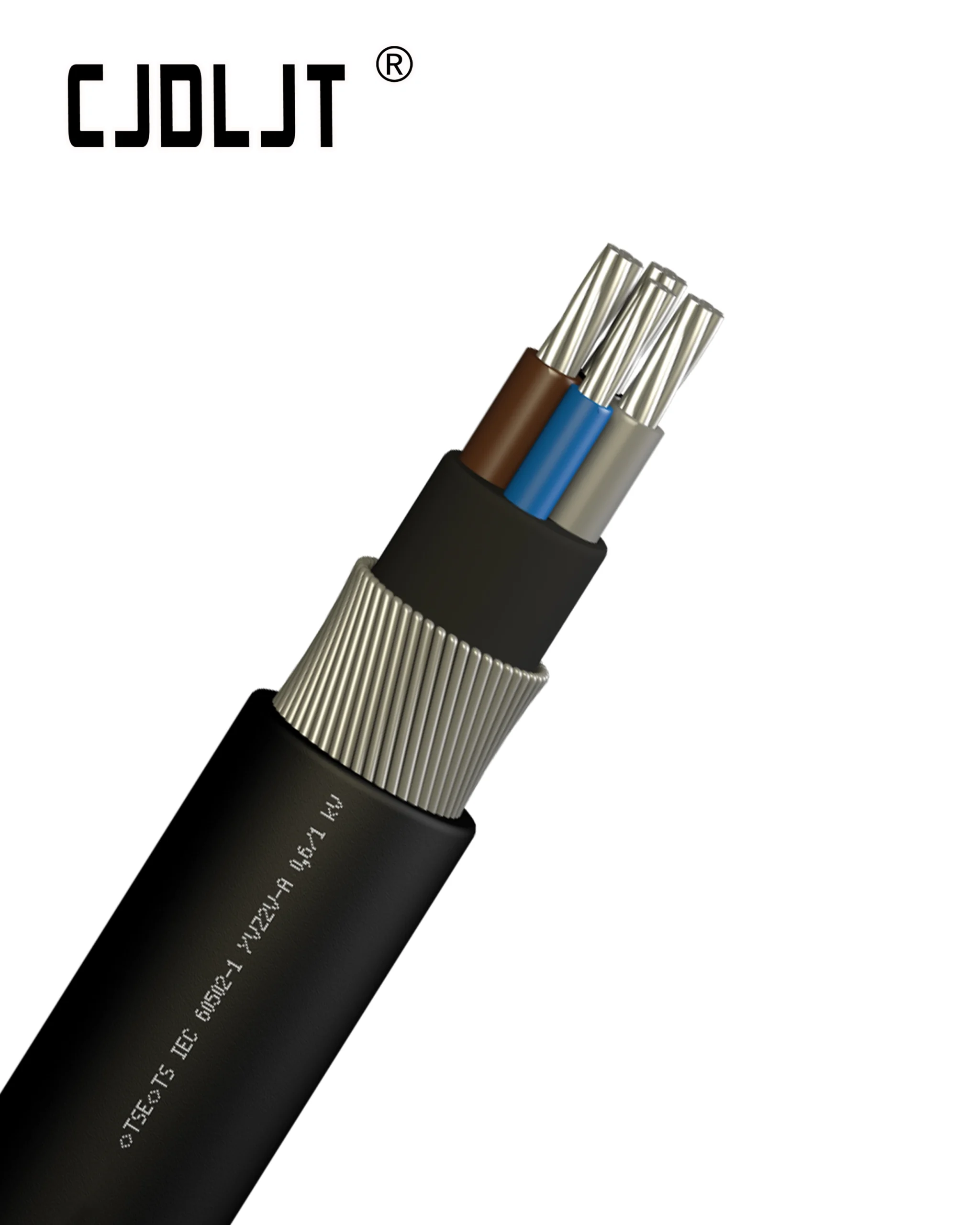


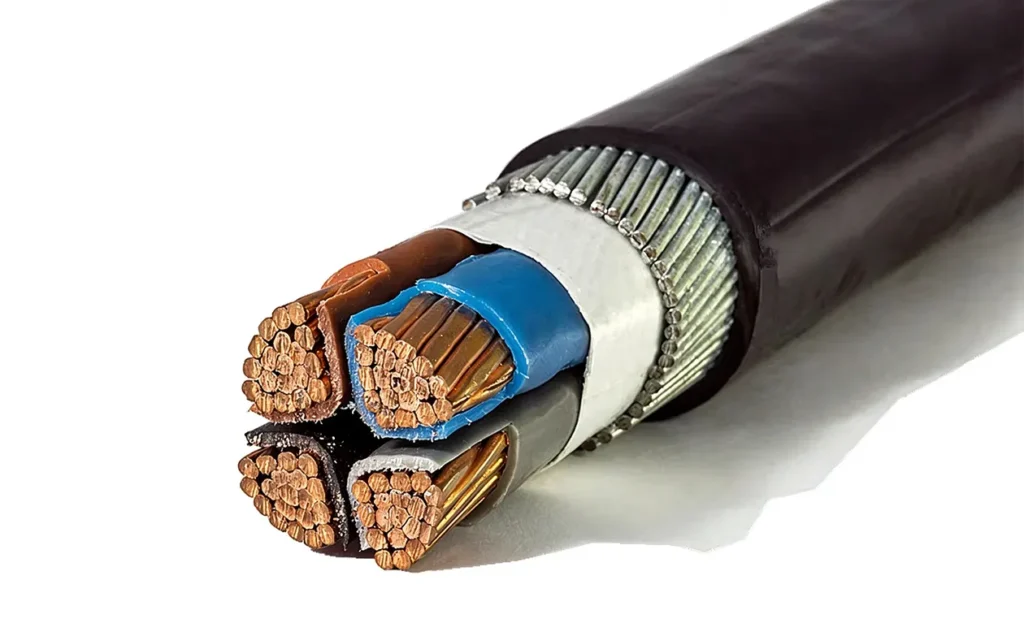
The minimum bending radius for N2XY SWA (Steel Wire Armoured) cable is 12 times its overall cable outer diameter () for multi-core cables during installation, and 10 times its overall outer diameter () after fixed installation. Single-core variants utilizing Aluminum Wire Armour (AWA) typically require 15 times the overall outer diameter (). Manufactured to [1] and BS 5467 standards, this 0.6/1 kV cable features plain annealed copper conductors, [2] insulation, [3] inner bedding, galvanized steel wire armour, and a PVC outer sheath. Adhering to these bending limits prevents insulation stress, armor buckling, and dielectric breakdown.
Technical Parameter & Bending Radius Specification Matrix
| Cable Specification / Parameter | Single-Core (AWA) Variant | Multi-Core (SWA) Variant | Standard / Test Method |
| Rated Voltage () | 0.6 / 1 kV (1.2 kV ) | 0.6 / 1 kV (1.2 kV ) | IEC 60502-1 / VDE 0276-603 |
| Conductor Material | Plain Annealed Copper (Class 1 or 2) | Plain Annealed Copper (Class 1 or 2) | [4] / BS EN 60228 |
| Insulation Material | Cross-linked Polyethylene (XLPE) | Cross-linked Polyethylene (XLPE) | IEC 60502-1 Type XLPE |
| Armour Layer Type | Aluminum Wire Armour (AWA) | Galvanized Steel Wire Armour (SWA) | BS 5467 / IEC 60502-1 |
| Bending Radius (Fixed Position) | HD 603 S1 / Factory Specs | ||
| Bending Radius (During Pulling) | Installation Guidelines | ||
| Max. Conductor Temperature | 90°C Continuous / 250°C Short-Circuit | 90°C Continuous / 250°C Short-Circuit | IEC 60502-1 Thermal Limits |
| Outer Sheath Material | Flame Retardant PVC (Type ST2) | Flame Retardant PVC (Type ST2) | IEC 60332-1-2 |
Structural Breakdown of N2XY SWA Cable
N2XY SWA is specified under standardized European/VDE and IEC coding schemes:
- N: Standardized power cable (VDE designation).
- 2X: XLPE (Cross-linked Polyethylene) insulation allowing continuous 90°C operation.
- Y: PVC (Polyvinyl Chloride) bedding and inner sheath.
- SWA: Steel Wire Armour (galvanized steel wires applied helically for mechanical and high-tensile protection).
- Y (Outer): PVC Outer Sheath providing moisture protection, flame retardancy, and mechanical integrity.
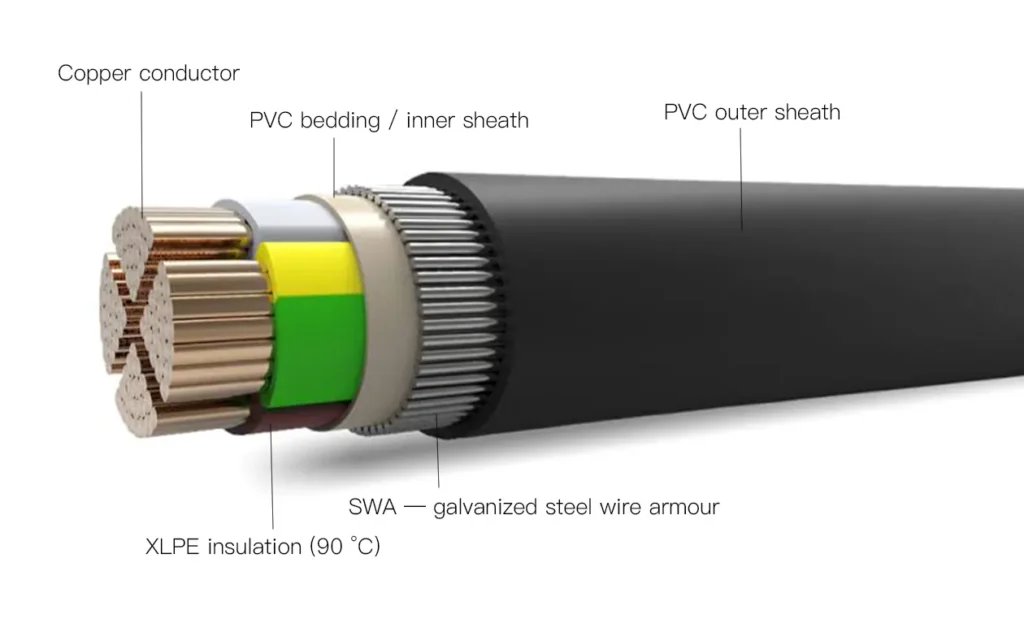
Factors Influencing Cable Bending Radius During Installation
1. Mechanical Stress on the Galvanized Steel Wire Armour (SWA)
Bending the cable beyond the threshold forces the outer helical steel wires under high tensile strain while compressing the inner wires. Violating this limit causes armour cage distortion, wire birdcaging, or sheath rupture.
2. Micro-Fissuring of XLPE Insulation
XLPE provides superior thermal resistance up to 90°C compared to standard PVC (70°C), but excessive bending torque compresses the inner insulation wall against the copper conductor, creating micro-fissures that degrade the cable’s dielectric breakdown voltage strength.
3. Ambient Temperature Constraints
Under cold installation conditions (), the PVC outer sheath and bedding harden, significantly increasing stiffness. Cables must be conditioned above 0°C for 24 hours prior to bending, or the minimum bending radius must be increased to prevent surface cracking.
CJDL CABLE Engineering Insight: For multi-core N2XY SWA cables, the 12×OD installation and 10×OD fixed bending radii are practical site limits — exceeding them risks armour birdcaging and XLPE micro-fissuring, especially below 0°C where 24-hour conditioning is required.
References
[1] Wikipedia. IEC 60502 [EB/OL]. 2026-09-28.
[2] Wikipedia. Cross-linked polyethylene [EB/OL]. 2026-09-28.
[3] Wikipedia. Polyvinyl chloride [EB/OL]. 2026-09-28.
[4] Wikipedia. IEC 60228 [EB/OL]. 2026-09-28.