

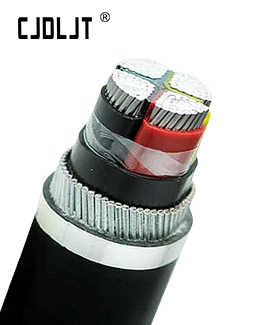
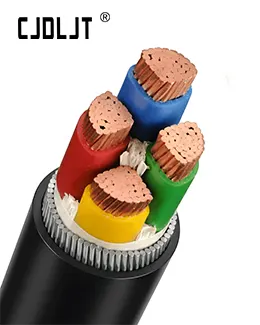
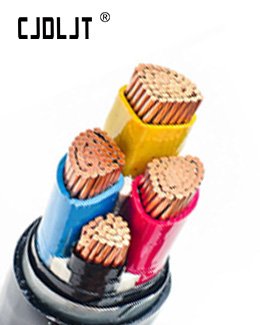
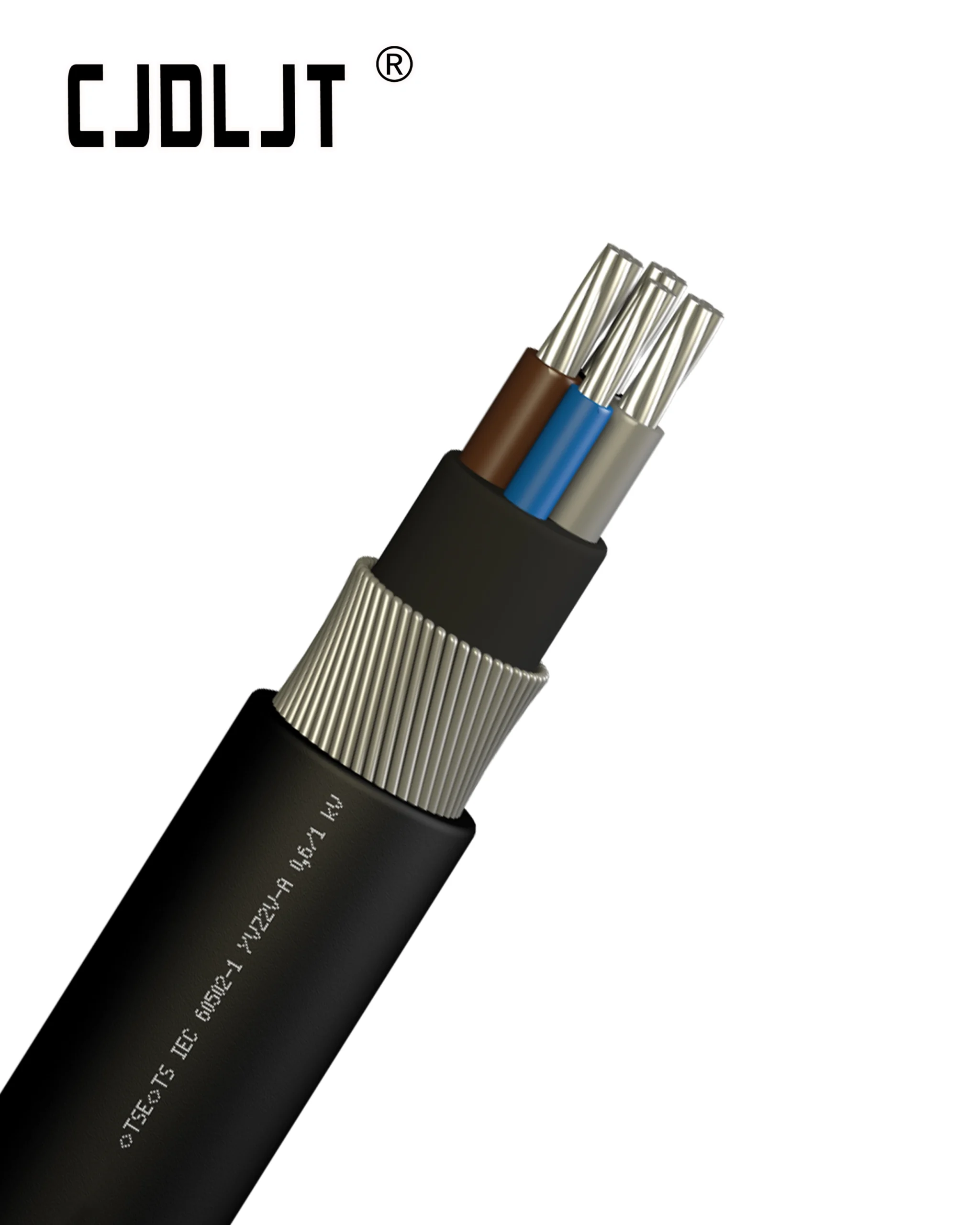

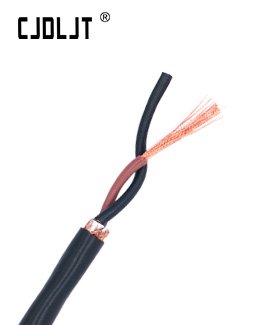

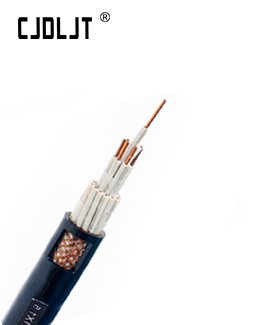
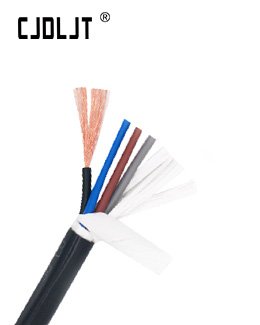
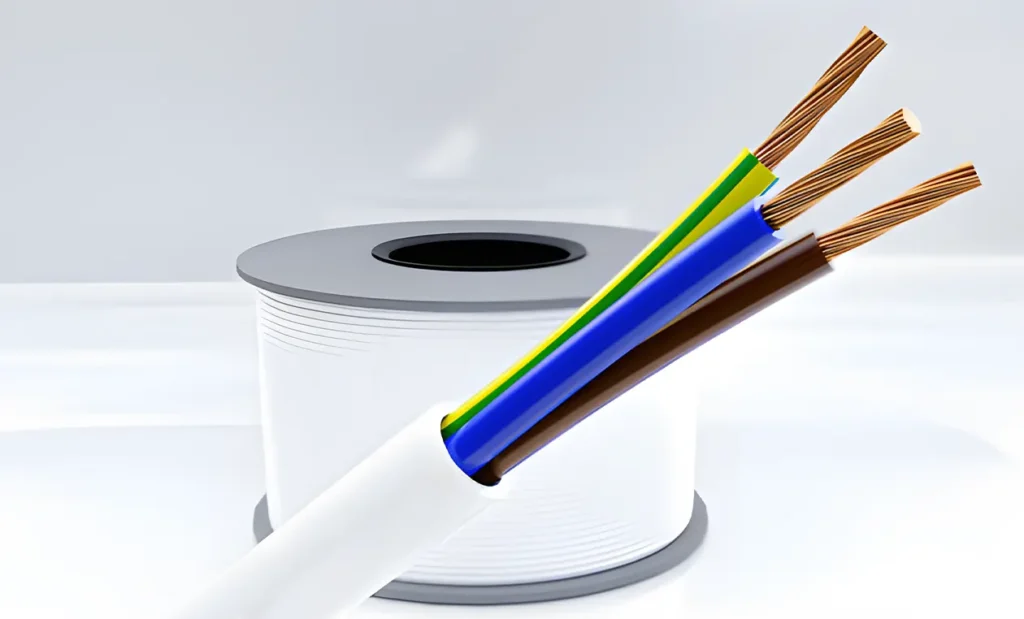
Public transport infrastructure prefers 318-B / H05Z1Z1-F cables because their [1](LSZH / LSOH) thermoplastic cross-linked construction eliminates toxic halogen gas emissions () and reduces heavy smoke opacity during combustion. Manufactured to [2]and IEC 60227/61034 standards, this 300/500V light-to-medium duty flexible cable features [3]fine-stranded plain copper conductors, LSZH thermoplastic insulation (TI 7), and an LSZH outer sheath (TM 7). It ensures human safety, maintains optical visibility for subway/rail station evacuations, and prevents acid-gas corrosion on sensitive electronic signaling systems during fire incidents.
Technical Parameter Comparison Matrix
| Technical Parameter | 318-B (H05Z1Z1-F) LSZH Cable | 318-Y (H05VV-F) PVC Cable | Standard / Test Method |
| Harmonized Standard | BS EN 50525-3-11 / CENELEC | BS EN 50525-2-11 / CENELEC | CENELEC Cable Standards |
| Rated Voltage () | 300 / 500 V | 300 / 500 V | IEC 60227-1 |
| Conductor Material | Class 5 Flexible Plain Annealed Copper | Class 5 Flexible Plain Annealed Copper | BS EN 60228 / IEC 60228 |
| Insulation & Outer Sheath | Thermoplastic LSZH (TI 7 / TM 7) | Polyvinyl Chloride (PVC) | BS EN 50363-7 / BS EN 50363-4-1 |
| Halogen Acid Gas Emission | Zero Halogen () | High Emission () | BS EN 60754-1 / IEC 60754-2 |
| Smoke Density & Transmittance | High Transmittance () | Low Transmittance (Dense Smoke) | BS EN 61034-2 / IEC 61034-2 |
| Flame Retardancy | Self-extinguishing | Self-extinguishing | BS EN 60332-1-2 / IEC 60332-1-2 |
| Temperature Limits (Flexing) | -5°C to +70°C | -5°C to +70°C | EN 60811 Thermal Aging |
Harmonized Designation Breakdown (H05Z1Z1-F)
The structural hierarchy of the cable follows the CENELEC harmonized codification scheme:
- H: European Harmonized Standard certification (BS EN 50525-3-11).
- 05: Voltage rating of 300/500 V.
- Z1: Thermoplastic Low Smoke Zero Halogen (LSZH) conductor insulation.
- Z1: Thermoplastic Low Smoke Zero Halogen (LSZH) outer sheath.
- -F: Class 5 Flexible Conductor, comprising fine-stranded copper wires for high bend vibration resistance.
Core Safety Advantages in Public Transport Infrastructure
1. Zero Halogen Toxic Gas Elimination
Standard PVC cables release toxic hydrogen chloride () gas when burned, which combines with moisture in human lungs to form hydrochloric acid. H05Z1Z1-F uses halogen-free polyolefin compounds that emit negligible acid gases under fire conditions ( pursuant to BS EN 60754-1/2), critical for underground metro tunnels and enclosed railway terminals.
2. High Light Transmittance for Emergency Evacuation
Under fire conditions, standard cables generate thick black smoke that obscures emergency exit signage. Under BS EN 61034-2 testing, H05Z1Z1-F maintains light transmittance above 60%, preserving visibility for passengers and emergency personnel.
3. Protection Against Corrosion in Automated Transit Electronics
Halogenated acid fumes corrode sensitive printed circuit boards (PCBs), relays, and communication nodes. Using LSZH cable prevents post-fire asset loss by eliminating corrosive gas exposure to transit signaling and ticketing control infrastructure.
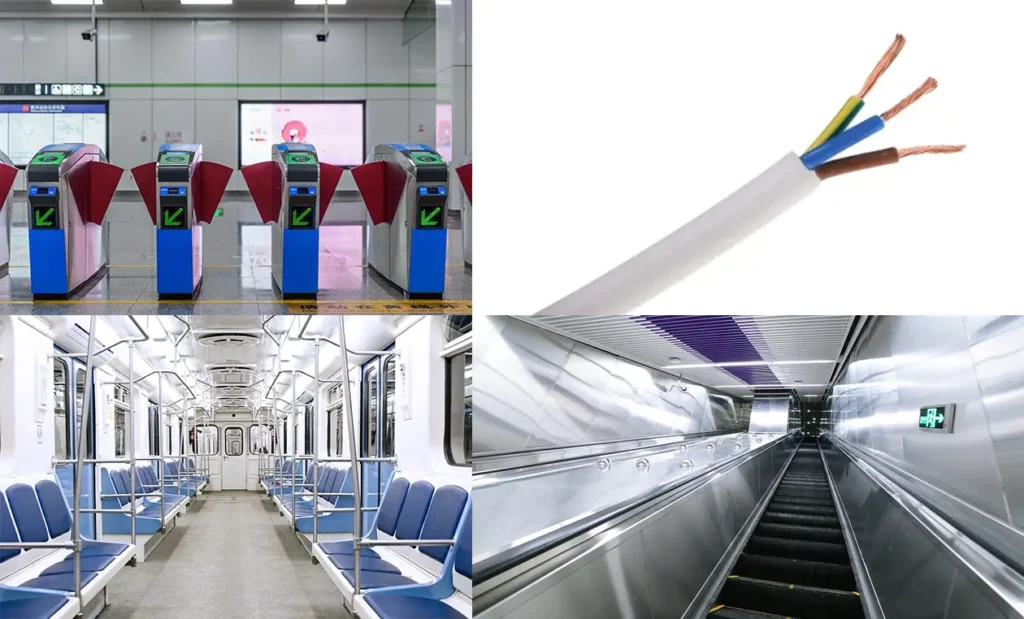
Key Application Scenarios in Transit Networks
- Passenger Stations & Tunnels: Wiring for ticket barriers, LED display boards, passenger information systems (PIS), and CCTV cameras.
- Rolling Stock Interior Wiring: Portable equipment drops, HVAC controls, and lighting power in trains, buses, and trams.
- Sub-surface Public Corridors: Light-duty power cords for escalator controls, automatic doors, and ventilation dampers.
CJDL CABLE Engineering Insight: For enclosed transit environments — metro tunnels, station concourses and rolling stock — 318-B H05Z1Z1-F is the recommended light-duty flexible choice over PVC, combining zero-halogen combustion (≤0.5% HCl per BS EN 60754-1/2) with ≥60% light transmittance (BS EN 61034-2) to safeguard evacuation visibility and signaling electronics. CJDL CABLE manufactures and routinely tests these harmonized flexible cords to BS EN 50525-3-11, supplying passenger stations, tunnels, and rail-vehicle wiring.
References
[1] Wikipedia. Low smoke zero halogen[EB/OL]. 2026-09-28.
[2] Cleveland Cable. BS EN 50525-3-11 Cable[EB/OL]. 2026-09-28.
[3] Wikipedia. IEC 60228[EB/OL]. 2026-09-28.