

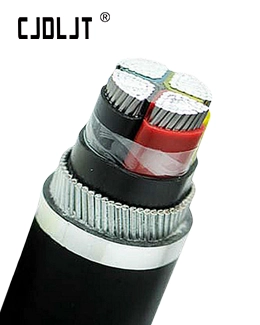
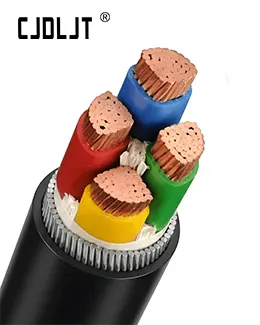
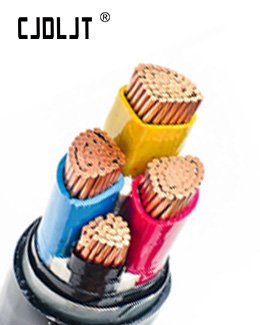
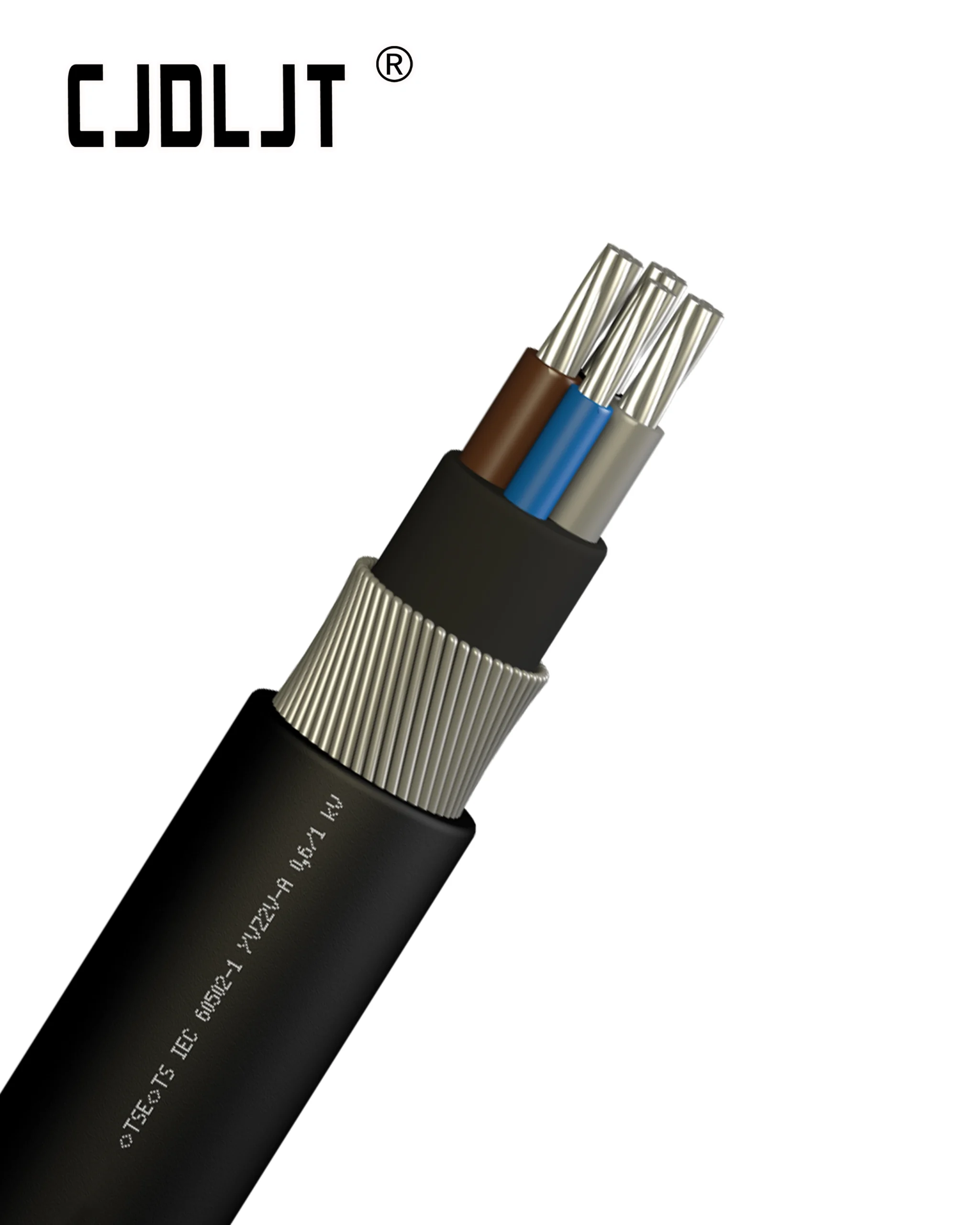

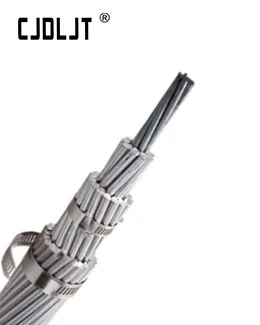
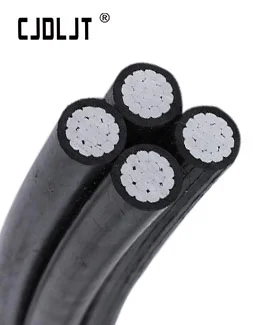
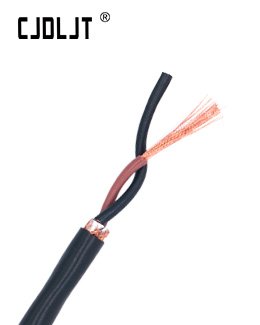

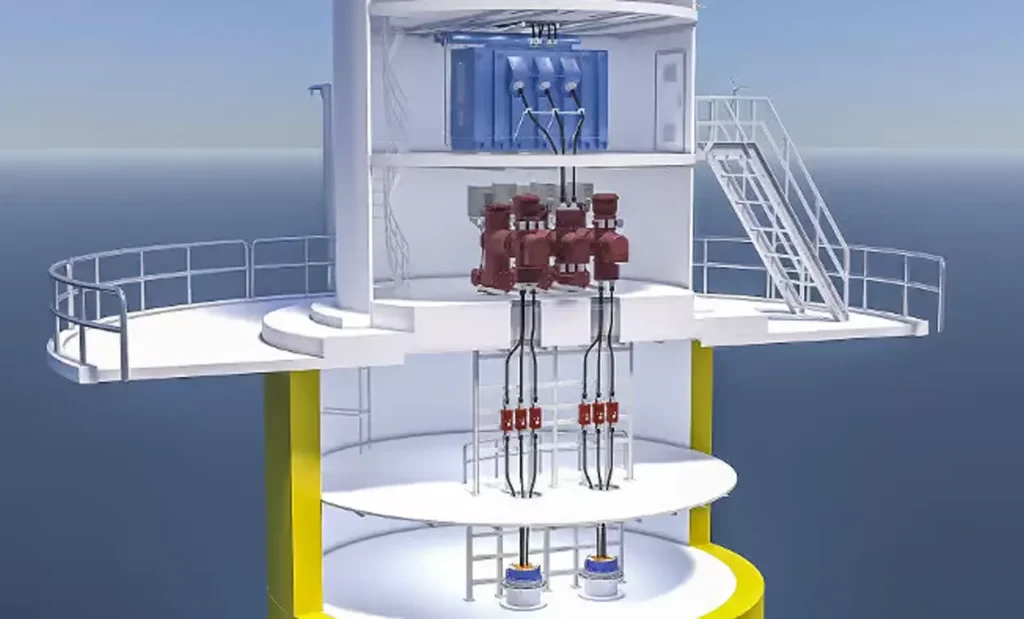
Offshore wind turbine tower internal wiring requires cables designed to withstand electrical loads, mechanical vibration, temperature variations, and the demanding conditions of offshore wind installations. For fixed power distribution inside the tower, 600/1000 V (0.6/1 kV) low-voltage power cable with suitable insulation and a durable outer sheath is a common starting point. The final specification depends on the turbine manufacturer’s design, installation route, environmental exposure, and project fire-safety requirements.
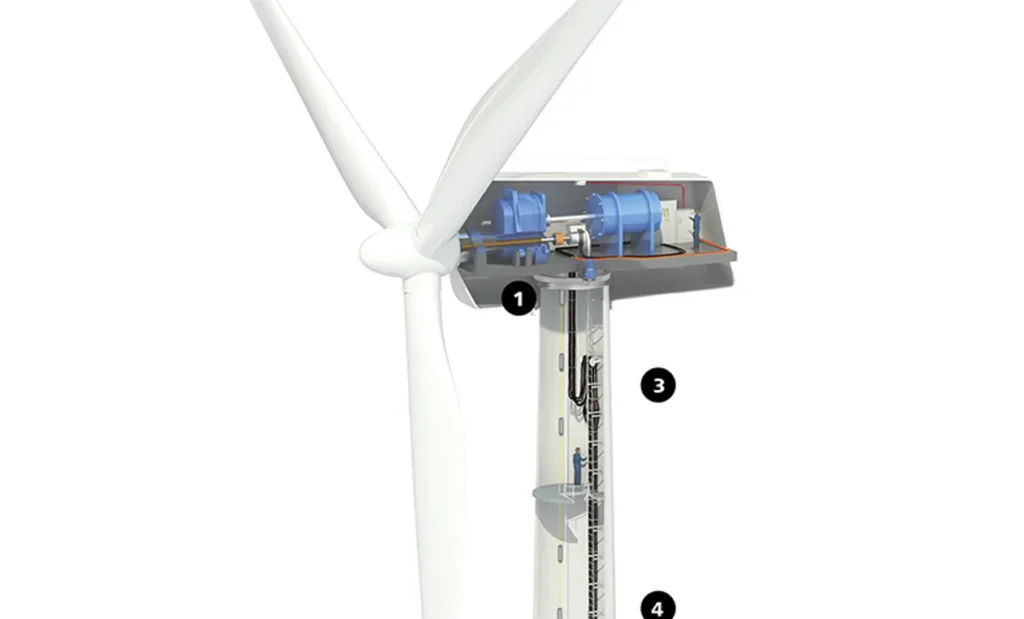
What Are the Key Technical Parameters for Tower Internal Wiring Cable?
For a typical low-voltage power cable used inside a wind turbine tower, the following parameters provide a useful preliminary specification. These are reference values for engineering evaluation, not universal requirements for every offshore turbine.
| Technical Parameter | Typical Reference Specification |
|---|---|
| Rated Voltage (U₀/U) | 0.6/1 kV |
| Conductor Material | Stranded copper or aluminium, according to project design |
| Conductor Class | Class 2 stranded conductor, IEC 60228 |
| Insulation Material | EPR / HEPR or another approved material suitable for the operating environment |
| Outer Sheath | Oil-, ozone-, and moisture-resistant compound as required |
| Operating Temperature | Project-specific; some turbine cables are rated from −40°C to +90°C |
| Flame Propagation | IEC 60332-1-2 and/or IEC 60332-3, as specified |
| Smoke Density | IEC 61034-2, where required |
| Halogen Gas Emission | IEC 60754-1 and/or IEC 60754-2, where required |
| Minimum Bending Radius | According to the approved cable datasheet and installation conditions |
Which Standards Should Be Checked Before Selecting the Cable?
IEC 60228 defines conductor classes and electrical resistance requirements, while IEC 60502-1 covers power cables with extruded insulation for rated voltages from 1 kV (Uₘ = 1.2 kV) up to 3 kV (Uₘ = 3.6 kV). Fire-performance requirements should be evaluated separately: IEC 60332 addresses flame propagation, IEC 61034 addresses smoke density, and IEC 60754 addresses gases evolved during combustion. Compliance with one of these standards does not automatically establish compliance with the others. Offshore projects may also specify additional marine, environmental, or turbine-manufacturer requirements.
How Should Buyers Specify Tower Internal Wiring Cable?
When requesting a quotation, buyers should provide the rated voltage, conductor material and cross-section, number of cores, installation method, ambient temperature, exposure to oil or moisture, minimum bending radius, and required fire-performance tests. The specification should also clarify whether the cable is intended for fixed tower wiring or another installation duty. The most suitable cable is the one that meets the turbine manufacturer’s approved design and the project’s verified electrical, environmental, and fire-safety requirements, rather than a cable selected solely because it is marketed for wind power applications.
References
[1] Wikipedia contributors. IEC 60228 [EB/OL]. 2026-03-29.