

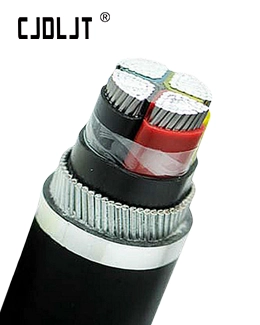
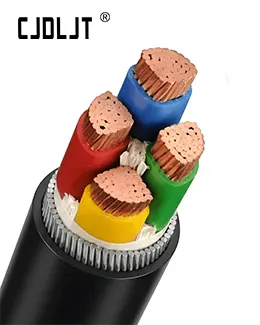
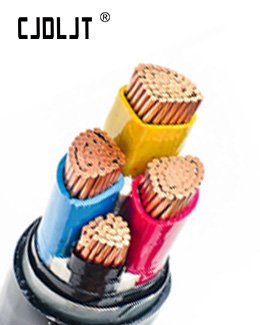
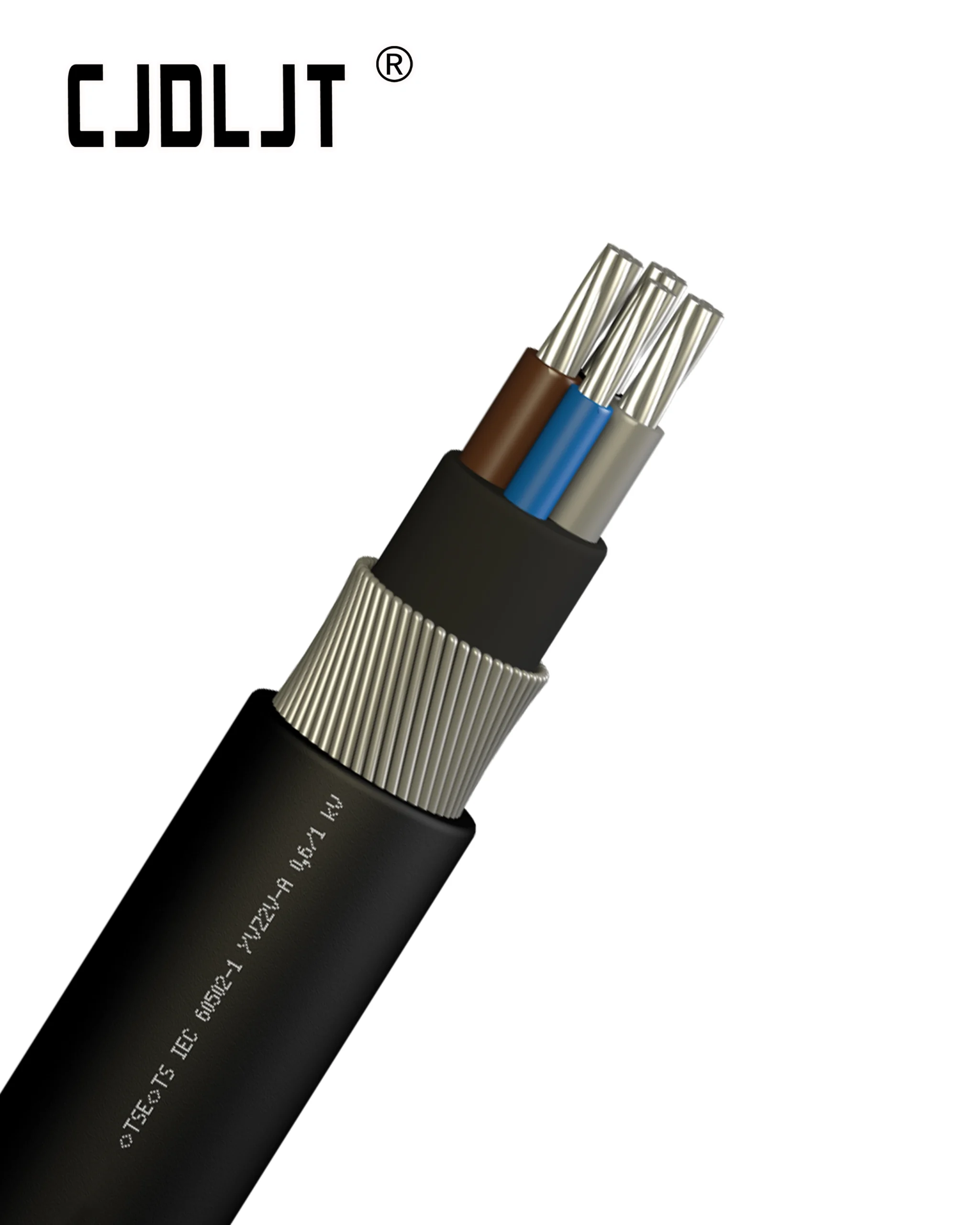


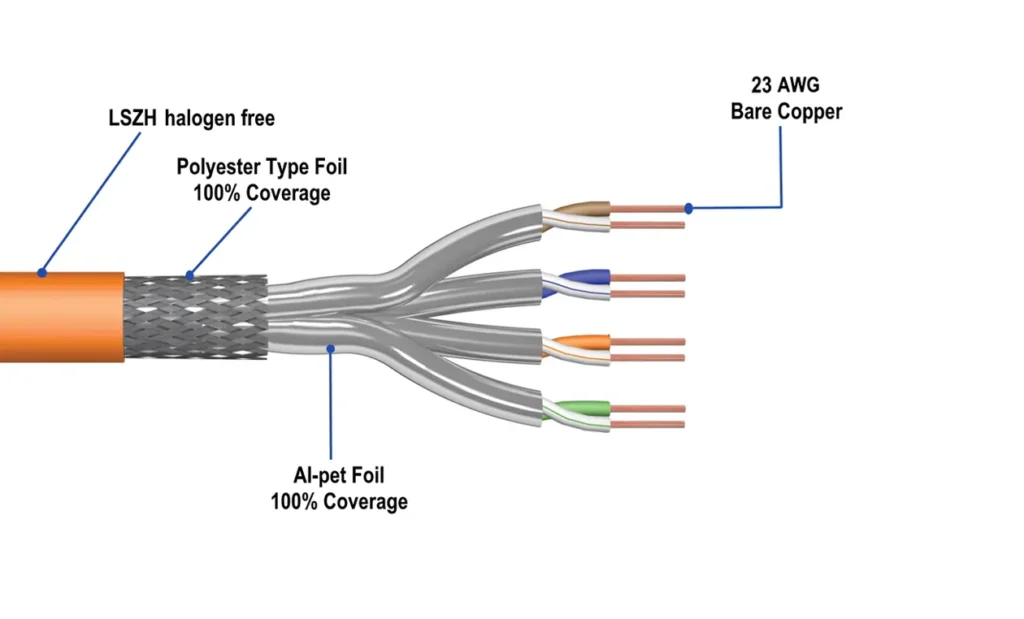
Low Smoke Zero Halogen (LSZH) cables[1]are legally and technically mandatory in enclosed, densely populated, or subterranean environments where smoke toxicity and visibility hazards pose critical life-safety risks during a fire. Global fire safety codes—such as IEC 60332, IEC 61034, and IEC 60754, alongside regional building regulations like BS 7671[2]and NFPA standards—dictate their deployment in spaces with restricted ventilation and high evacuation density. These include underground mass transit stations, rail and road tunnels, high-rise public commercial complexes, airports, hospitals, and educational facilities, where halogen-free jacketing minimizes corrosive acid gas emission and dense smoke obscuration.
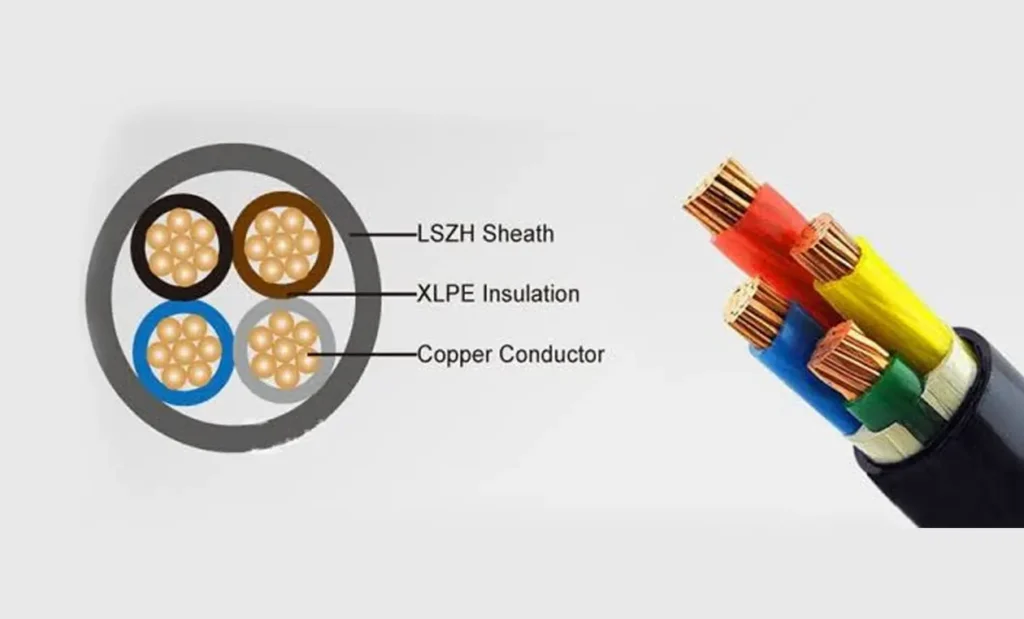
LSZH Compliance & Application Matrix
| Environment / Facility | Governing Standards | Primary Risk Mitigated | Mandatory Performance Criteria |
| Underground Railway & Metro Stations | IEC 60332-3, NFPA 130, EN 50575 | Smoke obscuration, panic, toxic gas inhalation in confined tubes | Low smoke density (>60\% light transmittance), zero halogen acid gas (\text{pH} \ge 4.3, conductivity < 10\,\mu\text{S/mm}) |
| Road & Rail Tunnels | BS 6724, IEC 60754, ECE regulations | Structural corrosion from hydrochloric acid gas, impaired evacuation visibility | Flame propagation resistance, halogen-free compound formulation |
| High-Rise Public Buildings & Malls | IBC, BS 7671, Local Fire Codes | Rapid flame spread across vertical cable trays, mass casualty risks | Flame retardancy (IEC 60332-1/-3), low smoke emission (IEC 61034) |
| Hospitals & Critical Healthcare Facilities | NFPA 99, IEC standards | Patient incapacitation from toxic fumes, disruption of life-support circuits | Non-toxic combustion byproducts, circuit integrity under fire (PH rating) |
Regulatory Standards and Testing Frameworks
Mandatory compliance relies on rigorous international testing protocols that verify material behavior under thermal stress:
- Halogen Content (IEC 60754-1/-2): Mandates that materials release negligible halogen acid gas during combustion. The resulting aqueous solution must maintain a \text{pH} value of \ge 4.3 and a conductivity of \le 10\,\mu\text{S/mm} to prevent corrosive damage to metallic building structures and sensitive electronics.
- Smoke Emission (IEC 61034-1/-2): Measures light transmittance through smoke generated by burning cable samples in a 3-cubic-meter chamber. Mandatory thresholds typically require a minimum light transmittance of 60\% to 70\% to ensure clear evacuation pathways.
- Flame Propagation (IEC 60332-3): Evaluates the vertical flame spread of bunched cables mounted on a ladder test rig, ensuring that the fire does not self-propagate along cable trays through vertical risers and shafts[3].
Critical Infrastructure Scenarios
Underground Stations and Mass Transit
Subterranean rail networks lack natural ventilation, concentrating combustion products rapidly. LSZH sheathing prevents the release of hydrogen chloride (\text{HCl}) gas—common in standard PVC compounds—which forms hydrochloric acid upon contact with moisture in human respiratory tracts and damages critical signaling and communication infrastructure.
Tunnels and Enclosed Corridors
Long-distance road and rail tunnels require cables that maintain circuit operation while resisting flame ignition. LSZH and Low Smoke Halogen-Free Armored (LSZH-SWA) configurations prevent cascading electrical failures and ensure emergency lighting, ventilation fans, and drainage pumps remain functional during evacuation windows.
High-Density Public Complexes
Airports, convention centers, and shopping malls feature massive horizontal and vertical cable distribution pathways. Building codes mandate LSZH utilization in ceiling plenums and riser shafts to stop fire from bypassing compartmentalized fire barriers via cable penetrations.
References
[1] Wikipedia. Low smoke zero halogen[EB/OL]. 2026-01-01.
[2] Wikipedia. BS 7671[EB/OL]. 2026-01-01.
[3] Wikipedia. Fire retardant[EB/OL]. 2026-01-01.