


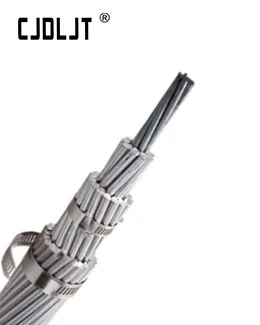
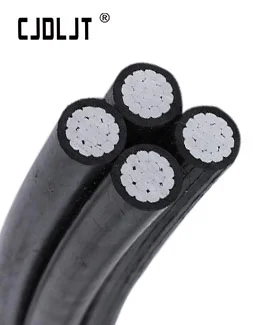
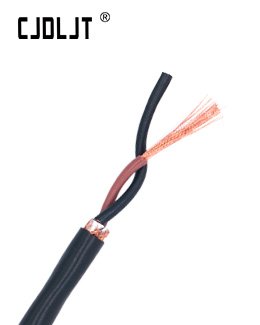

Outdoor power distribution projects frequently face a core decision: select Aerial Bundled Cables (ABC) for overhead routes or armoured power cables (mostly SWA/AWA type) for underground deployment. While both deliver outdoor power transmission, their mechanical structure, installation conditions, fault‑resistance and total‑life‑cost performance differ significantly.
Many project engineers mistakenly treat ABC and armoured cables as interchangeable alternatives. In fact, ABC is purpose‑built for overhead pole‑mount installation, whereas armoured power cables are optimised for underground burial or mechanical‑risk exposed outdoor runs. Mis‑selection will trigger higher failure rates, extra construction investment and long‑term maintenance burdens.
This blog compares their core features, advantages, limitations and typical applicable scenarios, helping you make evidence‑based decisions for rural electrification, urban residential distribution, industrial park and renovation projects.

Brief Overview of Two Cable Types
ABC (Aerial Bundled Cable) ABC bundles insulated phase conductors together with a messenger neutral conductor. XLPE/PE insulation provides UV‑resistance for overhead service. It is designed for pole‑supported aerial distribution under IEC 61394 standards, widely used for low‑voltage overhead power supply.
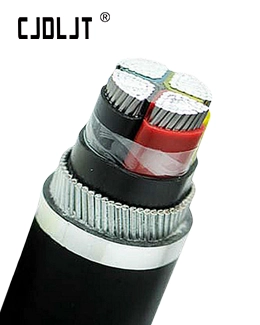
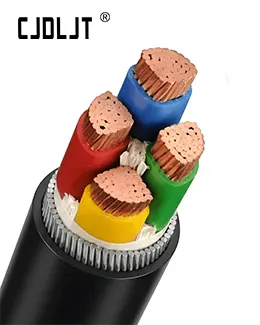
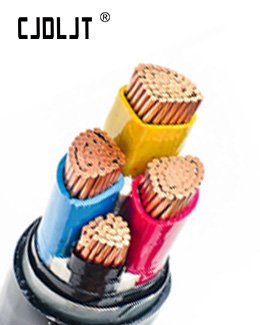
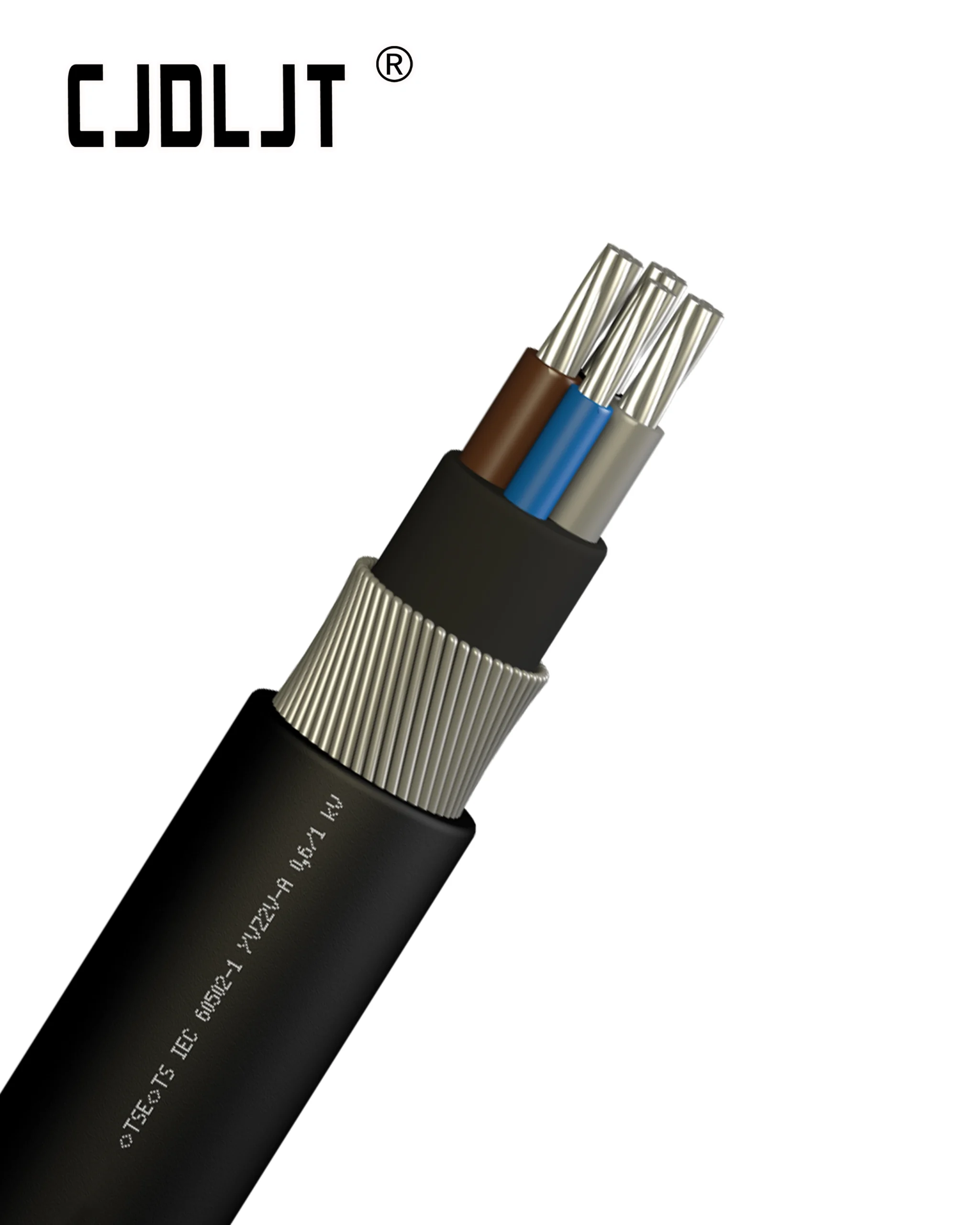
Armoured Power Cable Armoured power cables adopt XLPE insulation plus metallic armour (SWA steel‑wire armour or AWA aluminium‑wire armour) and outer protective sheath, complying with IEC 60502‑1/-2. The armour layer delivers crush, impact and rodent‑bite protection for underground or mechanically‑threatened outdoor fixed wiring.
Core Performance & Application Scenario Comparison Table
| Comparison Item | ABC (Aerial Bundled Cable) | Armoured Power Cable (SWA / AWA) |
|---|---|---|
| Primary installation mode | Overhead pole‑mounted aerial laying | Direct burial, duct, underground trench; exposed outdoor fixed runs |
| Core strengths | Light‑weight, fast overhead erection; anti‑short‑circuit caused by tree contact / wildlife; anti‑illegal tapping; smaller clearance requirementCentral El…. | Excellent mechanical protection against crushing, digging impact and rodent damage; waterproof and soil‑corrosion resistant; hidden underground layout, free from wind and ice load interference. |
| Main limitations | Not suitable for underground burial; vulnerable to vandalism and large‑object aerial impact; subject to wind‑ice weather load restriction. | Heavy weight, higher material & excavation construction cost; larger minimum bending radius; armour needs reliable earthing at both ends. |
| Key applicable scenarios | Rural electrification, mountain‑hilly and forest zones; congested old urban streets; overhead service drop for residential communities; reconstruction project replacing bare overhead conductors. | Urban underground distribution network; industrial park outdoor power supply; roadside routes at risk of mechanical excavation damage; areas requiring anti‑rodent performance; campus and commercial district buried power linesAlibaba.co…. |
| Inapplicable scenarios | Underground laying; locations with frequent heavy mechanical impact risk. | Long‑distance overhead large‑span pole lines (poor tensile‑weight economy). |
| Relevant standards | IEC 61394 | IEC 60502‑1, IEC 60502‑2 |
| Typical lifecycle cost | Low construction cost for overhead routes; moderate material cost; low routine maintenance cost. | High excavation‑related installation cost; long service life, low underground maintenance intervention frequencyCentral El…. |
Practical Project‑Selection Guidance
Choose ABC cables when these conditions apply
- The project adopts overhead distribution framework, and poles can be arranged along power routes.
- Working in mountainous, hilly or forest‑covered rural areas, where underground trenching construction is expensive and difficult.
- Congested narrow urban lanes, where bare overhead conductors face high short‑circuit risk and limited electrical clearance space.
- Projects aiming to reduce illegal energy tapping and tree‑contact‑caused overhead faults.
Important reminder: ABC must not be directly buried underground, even if its outer sheath appears robust. It lacks anti‑crushing metallic armour for soil pressure and excavation hazards.
Choose armoured power cables under these conditions
- The project requires underground power distribution, including direct burial or duct‑trench laying.
- Routes pass construction‑active zones, roadside green belts or industrial sites with high risk of accidental digging and mechanical damage.
- Sites suffering severe rodent hazards; underground wiring is mandatory for urban beautification planning requirements.
- Need stable power supply performance without exposure to wind, snow and ice weather disturbances.
Note: SWA steel‑wire armour must be properly earthed at both cable ends. For single‑core medium‑voltage circuits, select AWA aluminium‑wire armour to avoid magnetic‑heating losses.
Common Specification Pitfalls to Avoid
- Treating ABC and armoured cables as fully interchangeable: ABC cannot replace armoured cable for underground routes, and armoured cables are uneconomical for long‑span overhead distribution.
- Ignoring messenger‑conductor tensile‑load calculation for ABC overhead spans, leading to cable sag and mechanical failure.
- Skipping armour‑earthing design for armoured power cables, creating hidden safety risks.
- Neglecting local utility regulations: Some regional codes specify armoured‑cable requirements for public underground distribution networks.