

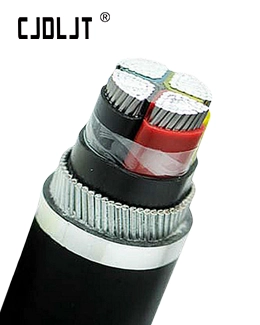
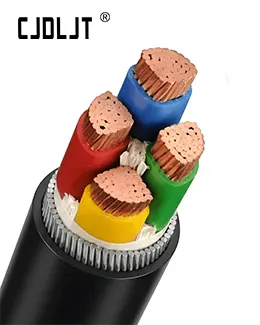
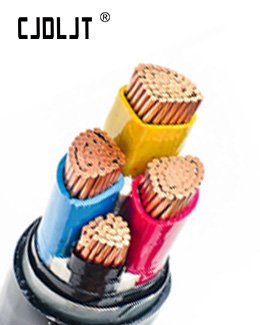
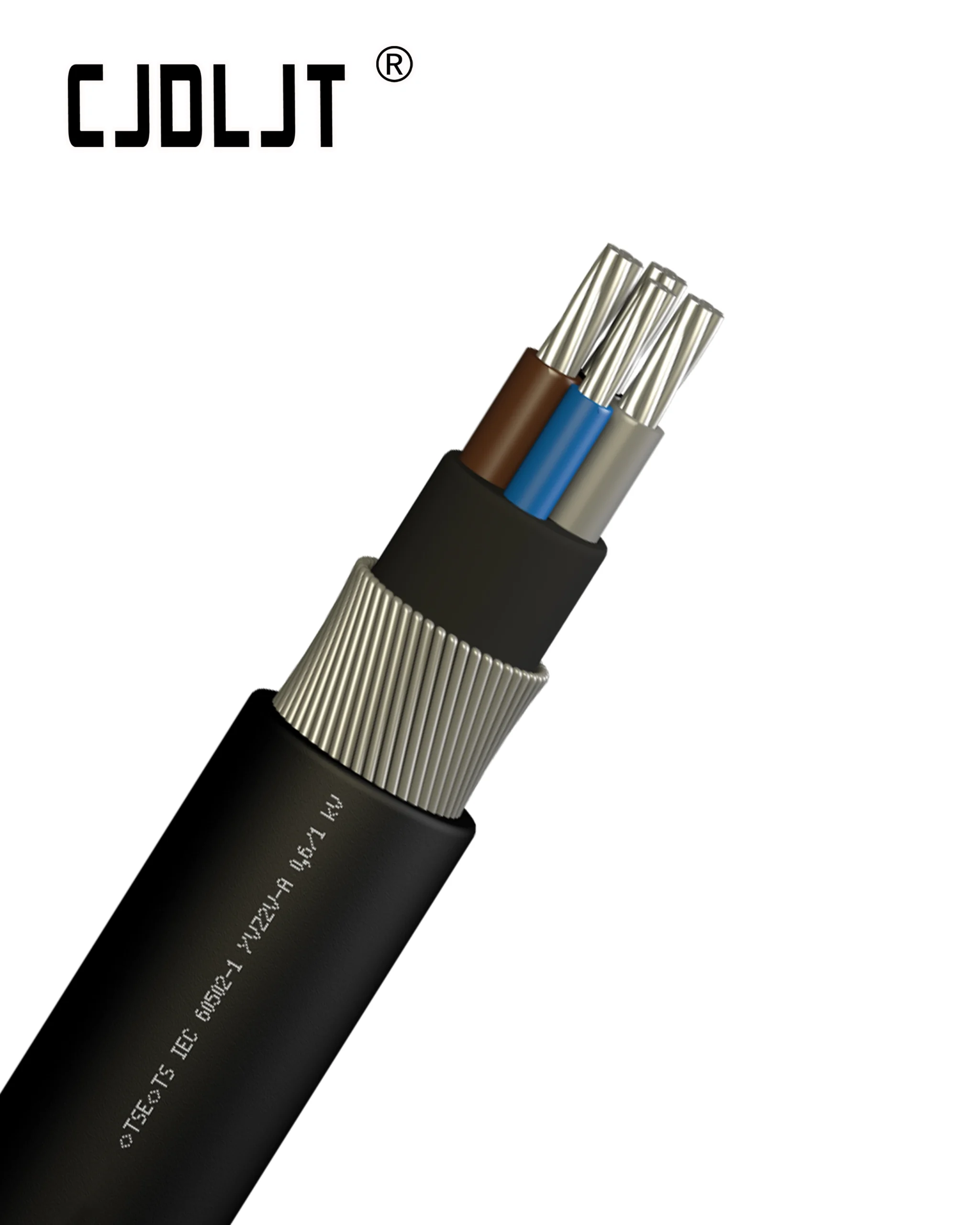


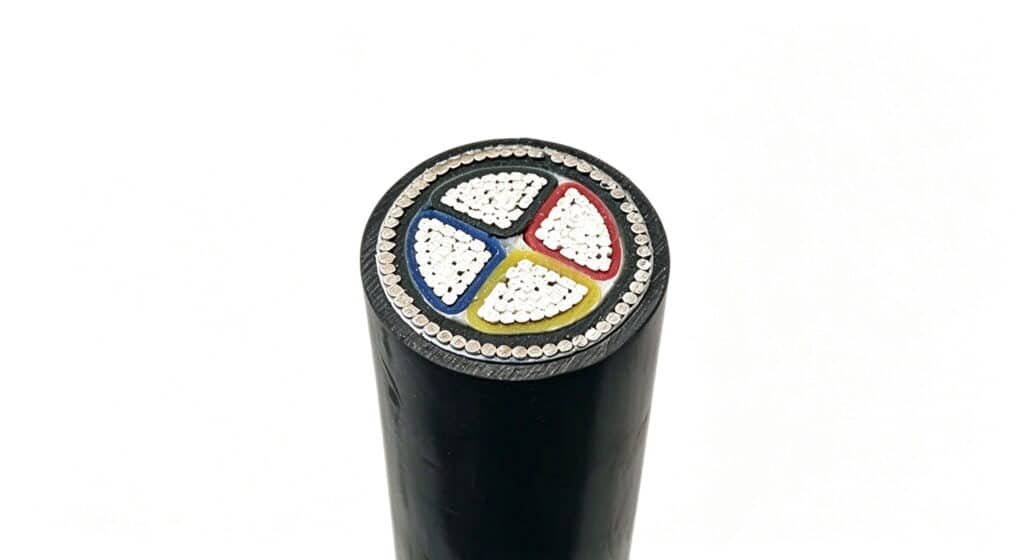
NA2XRY is an aluminium-conductor, XLPE-insulated, galvanised steel-wire-armoured (SWA), PVC-sheathed cable rated 0.6/1 kV according to IEC 60502-1. NA2XBY uses the same aluminium conductor and XLPE insulation but employs double steel-tape armour (DSTA) instead of wire armour, also with a PVC outer sheath. Both cables support a continuous conductor temperature of 90 °C and a short-circuit temperature of 250 °C. The primary difference lies in the armour construction: SWA provides superior tensile strength and longitudinal protection, while DSTA offers higher resistance to radial crushing forces. Selection depends on installation method, mechanical risk, and bending requirements.
Technical Parameter Comparison Matrix
| Parameter | NA2XRY | NA2XBY |
|---|---|---|
| Conductor Material | Aluminium (Class 1 or Class 2, IEC 60228) | Aluminium (Class 1 or Class 2, IEC 60228) |
| Insulation | XLPE | XLPE |
| Rated Voltage | 0.6/1 kV | 0.6/1 kV |
| Continuous Operating Temperature | 90 °C | 90 °C |
| Short-Circuit Temperature (5 s) | 250 °C | 250 °C |
| Armour Type | Galvanised Steel Wire Armour (SWA) | Double Steel Tape Armour (DSTA) |
| Outer Sheath | PVC | PVC |
| Primary Mechanical Strength | High tensile / longitudinal protection | High radial / crushing resistance |
| Minimum Bending Radius | Larger (typically 12–15 × overall diameter) | Smaller than equivalent SWA |
| Typical Installation | Direct burial, cable trays, outdoor runs | Direct burial with high soil pressure |
| Standard Reference | IEC 60502-1 | IEC 60502-1 |
Conductor and Insulation Construction
Both NA2XRY and NA2XBY use stranded or solid aluminium conductors complying with IEC 60228. The insulation is cross-linked polyethylene (XLPE), providing the same dielectric strength, low dielectric loss, and thermal rating of 90 °C continuous / 250 °C short-circuit. The insulation thickness follows the minimum values specified in IEC 60502-1 for the given cross-sectional area. No difference exists in electrical performance between the two designs under normal operating conditions.
Armour Construction and Mechanical Performance
NA2XRY employs a layer of galvanised steel wires applied helically over the bedding. This steel-wire armour (SWA) delivers high tensile strength, making the cable suitable for pulling over long distances and for installations where longitudinal mechanical stress is expected.
NA2XBY uses double steel tapes applied helically or longitudinally and overlapped. Double steel-tape armour (DSTA) provides superior resistance to radial crushing and impact forces, which is advantageous in direct-burial applications with high soil pressure or where the cable may be subject to external mechanical loading after installation.
Installation and Bending Considerations
SWA cables (NA2XRY) generally require a larger minimum bending radius because of the stiffness introduced by the wire armour. DSTA cables (NA2XBY) are relatively more flexible in the radial plane and can accommodate tighter bends in confined routes, provided the manufacturer’s recommended bending radius is observed. Both constructions are suitable for outdoor and underground use when the outer PVC sheath is intact.
Application Suitability
- Choose NA2XRY (SWA) when the cable will be pulled through ducts, installed in trays with long unsupported spans, or subjected to tensile forces during installation or service.
- Choose NA2XBY (DSTA) when the primary risk is crushing or impact from soil, backfill, or external mechanical loads in direct-burial installations.
Both cable types are manufactured to IEC 60502-1 and are commonly specified for low-voltage power distribution in industrial plants, infrastructure projects, and utility networks where aluminium conductors offer a cost-effective alternative to copper.
Selection Summary
The electrical and thermal performance of NA2XRY and NA2XBY is identical. The decision rests solely on the type of mechanical protection required: steel-wire armour for tensile strength versus double steel-tape armour for crushing resistance. Project-specific factors such as installation method, soil conditions, pulling tension, and available bending radius should determine the final choice.