

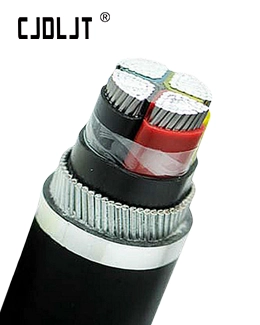
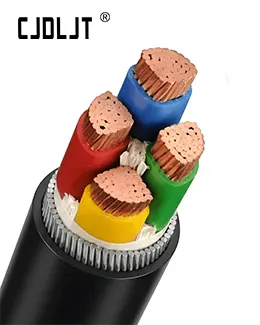
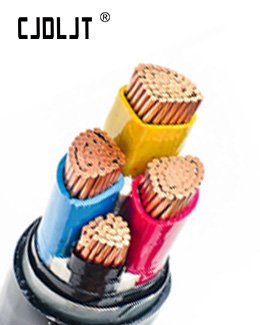
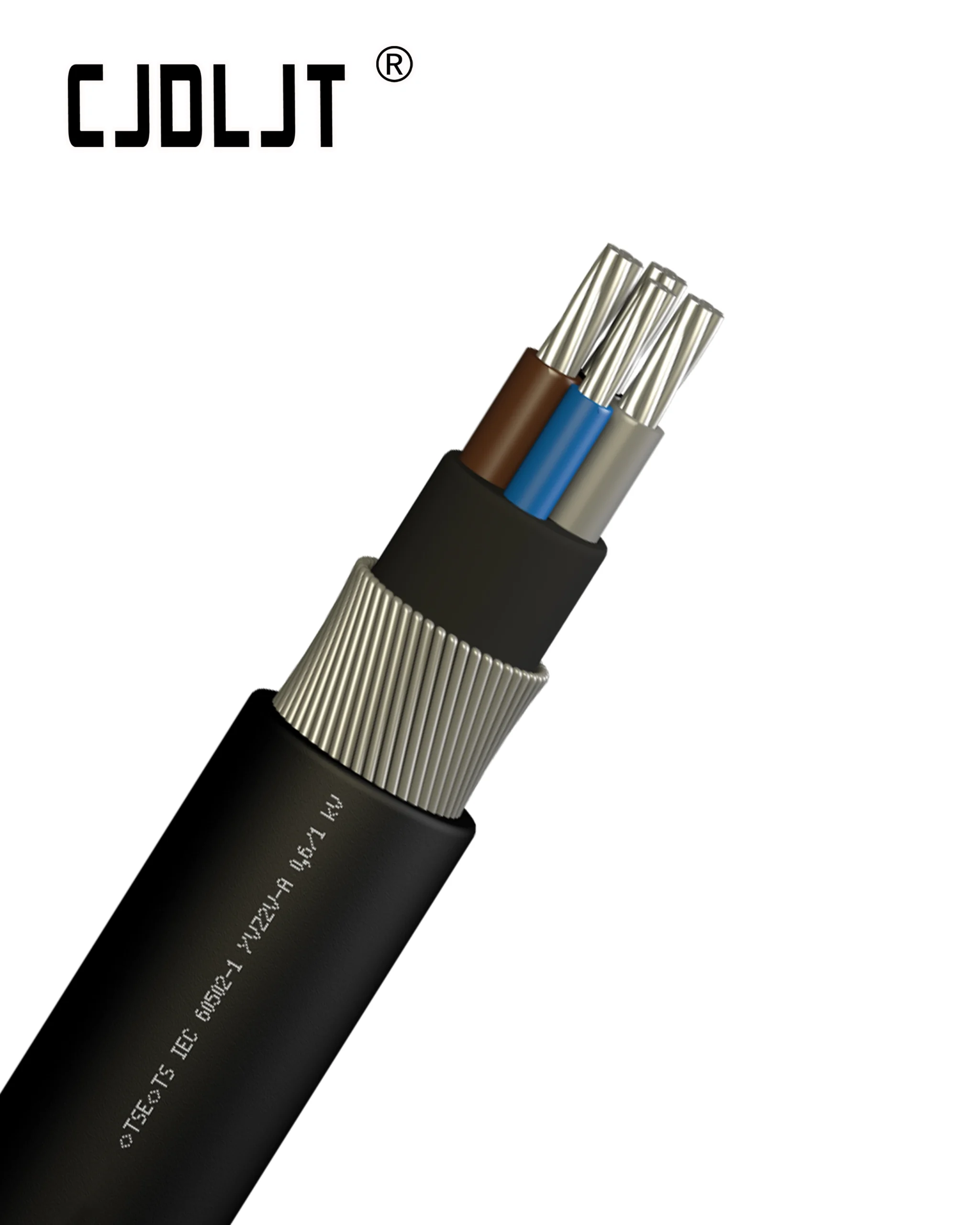

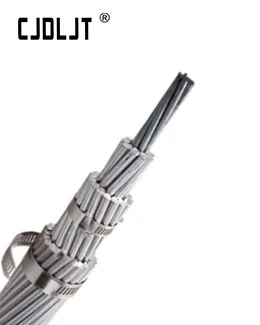
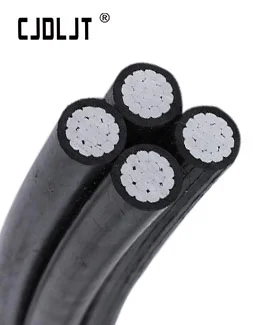
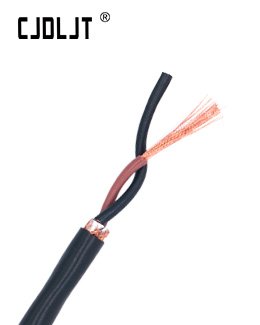

Concentric cables feature a central phase conductor (or conductors) surrounded by a concentric layer of neutral or earth conductors arranged in a helical or longitudinal formation, typically under a common outer sheath. In low-voltage applications (usually 0.6/1 kV), they provide a combined phase + neutral/earth path in a single cable, offering improved safety, reduced installation time, and better electromagnetic performance compared with separate phase and neutral cables. They are commonly used in utility distribution, street lighting, and industrial feeder systems where a reliable neutral or protective earth return path is required.
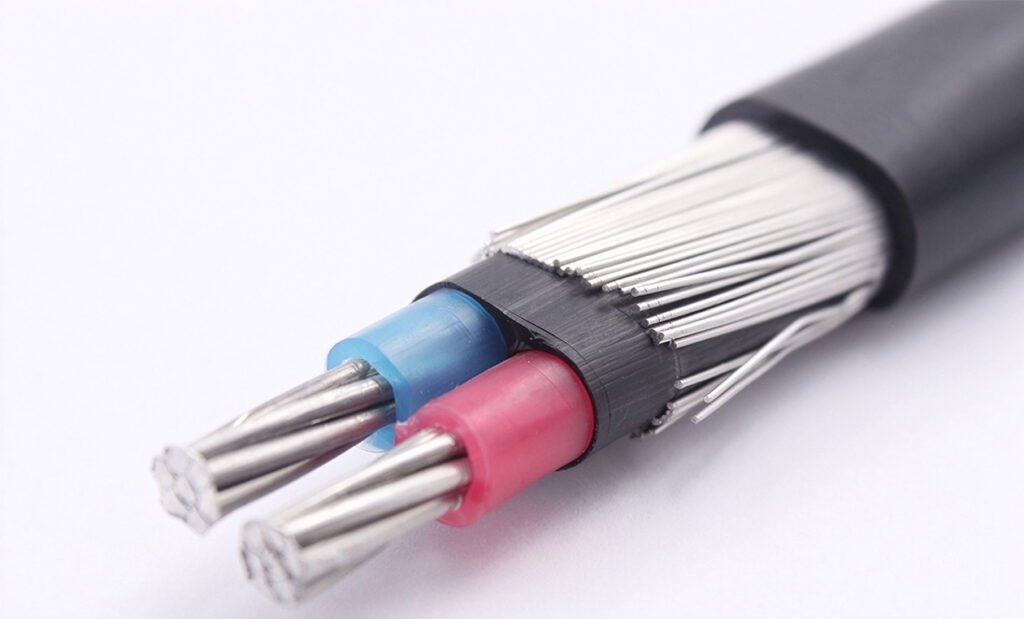
Technical Parameter Comparison Matrix: Concentric vs Conventional Multi-Core Cables
| Parameter | Concentric Cable | Conventional Multi-Core LV Cable |
|---|---|---|
| Conductor Arrangement | Central phase + concentric neutral/earth | Separate insulated cores |
| Neutral/Earth Path | Distributed around phase conductor(s) | Dedicated core(s) |
| Electromagnetic Compatibility | Lower external magnetic field | Higher external field possible |
| Installation Convenience | Single cable for phase + neutral/earth | Multiple cables or multi-core required |
| Fault Current Return Path | Excellent (low impedance concentric layer) | Dependent on separate earth conductor |
| Typical Voltage Rating | 0.6/1 kV | 0.6/1 kV |
| Common Insulation | XLPE or PVC | XLPE or PVC |
| Armour Options | Often unarmoured or lightly protected | Frequently SWA or STA |
| Typical Applications | Utility LV distribution, street lighting, PME systems | General industrial power distribution |
| Relevant Standards | IEC 60502-1, utility-specific specs | IEC 60502-1 |
Construction Features
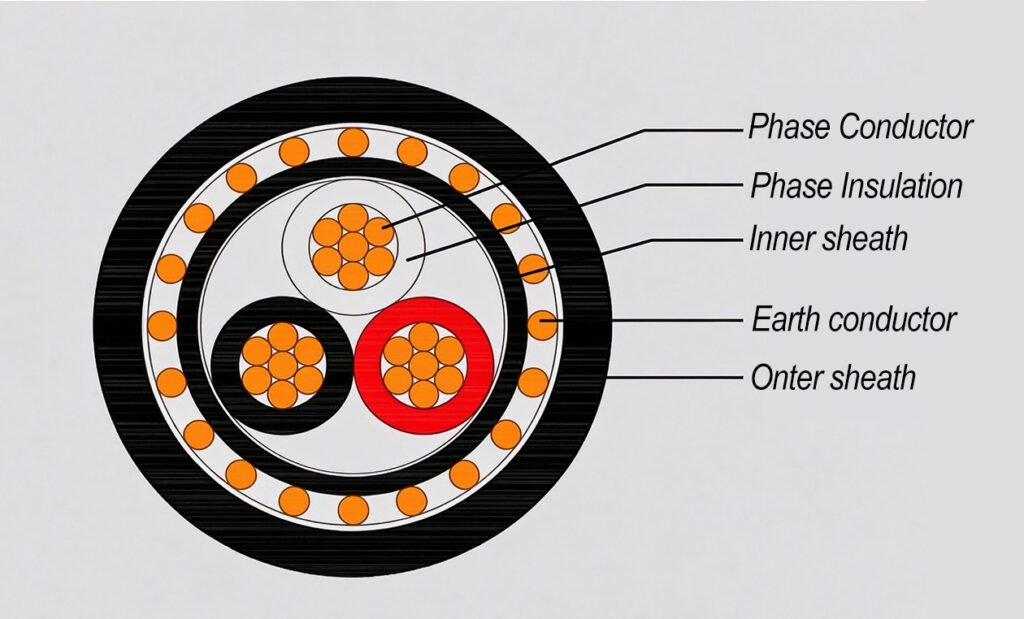
A typical concentric LV cable consists of:
- One or more central phase conductors (copper or aluminium)
- XLPE or PVC insulation over the phase conductor(s)
- A concentric layer of bare or insulated copper/aluminium wires serving as neutral and/or protective earth
- Optional bedding and outer sheath (PVC or LSZH)
The concentric neutral provides a continuous, low-impedance return path distributed around the phase conductor, which reduces inductive reactance and improves touch-voltage safety under fault conditions.
Key Advantages in LV Systems
- Improved safety: The concentric earth/neutral surrounds the phase conductor, helping to contain fault currents and reduce the risk of external touch voltages.
- Simplified installation: Only one cable needs to be pulled and terminated instead of separate phase and neutral/earth cables.
- Better EMC performance: The symmetrical concentric arrangement produces a lower external magnetic field.
- Reliable neutral path: Especially valuable in TN-C-S or PME (Protective Multiple Earthing) distribution systems.
Typical Application Scenarios
Concentric cables are particularly suitable for:
- Low-voltage utility distribution networks
- Street and public lighting circuits
- Industrial feeders requiring a combined neutral/earth
- Installations where space for multiple cables is limited
- Systems operating under PME or similar earthing arrangements
They are less commonly used for complex multi-phase industrial motor circuits where conventional multi-core armoured cables remain the standard choice.
Selection and Installation Considerations
When specifying concentric cables:
- Confirm the required neutral/earth cross-section relative to the phase conductor (often equal or reduced according to local regulations)
- Verify compatibility with the system earthing arrangement (TN-S, TN-C-S, etc.)
- Ensure termination methods correctly connect the concentric layer to the neutral/earth bar
- Check current-carrying capacity tables specific to concentric construction, as heat dissipation differs slightly from conventional multi-core designs
Summary: Concentric cables offer a compact, safe, and electromagnetically efficient solution for LV power distribution where a combined phase and neutral/earth path is required. They are the preferred choice for utility networks, street lighting, and certain industrial feeders, provided the system earthing design supports their use.