



Overhead distribution networks deliver power for cities, rural communities and industrial facilities. Utility engineers and procurement teams often face a critical selection decision: bare ACSR (Aluminum Conductor Steel‑Reinforced) conductors or insulated ABC (Aerial Bundled Cable). Both solutions transmit electricity, yet they differ greatly in mechanical structure, safety performance, maintenance workload and suitable operating environments. Poor selection may result in frequent power outages, high lifecycle costs, safety risks or unnecessary capital waste.
1. Basic structural differences
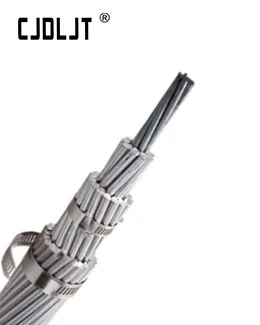
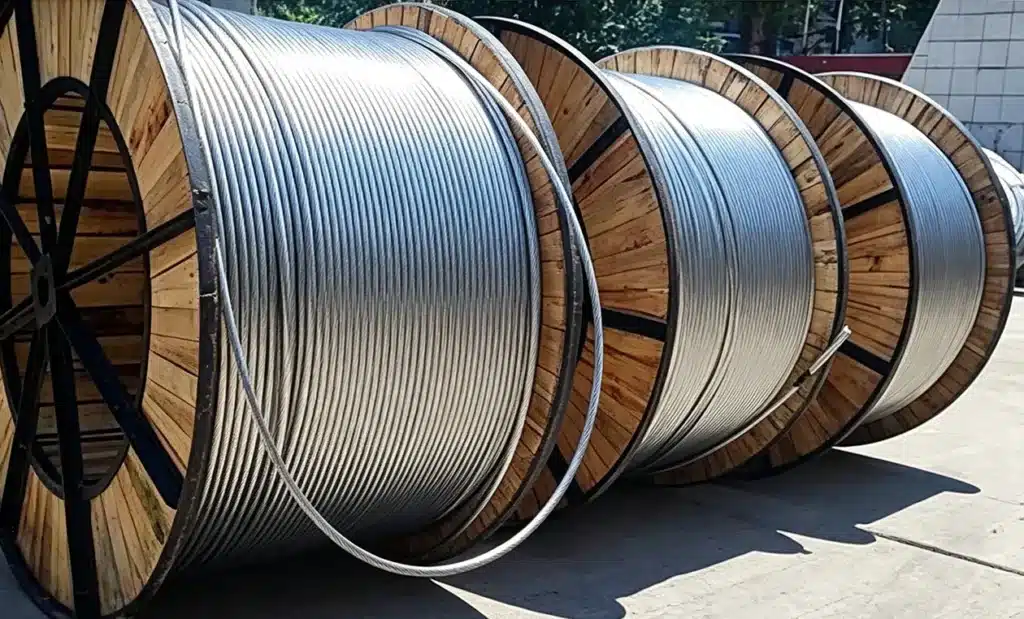
ACSR Conductors: Classic bare overhead conductors. Galvanized steel strands form the central core to bear most tensile stress, while outer hard‑drawn aluminum strands conduct current. There is no polymer insulation; air provides phase‑to‑phase insulation. Separate conductors are mounted on cross‑arms with individual insulators on utility poles.
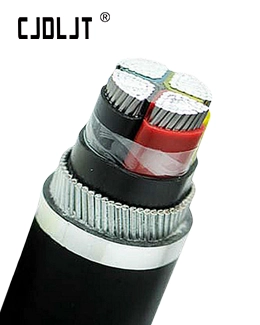
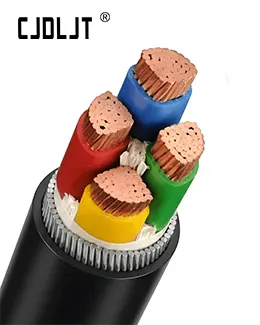
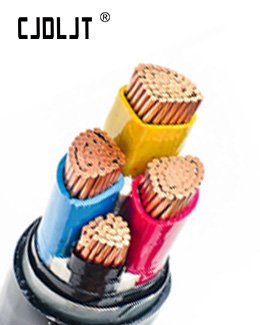
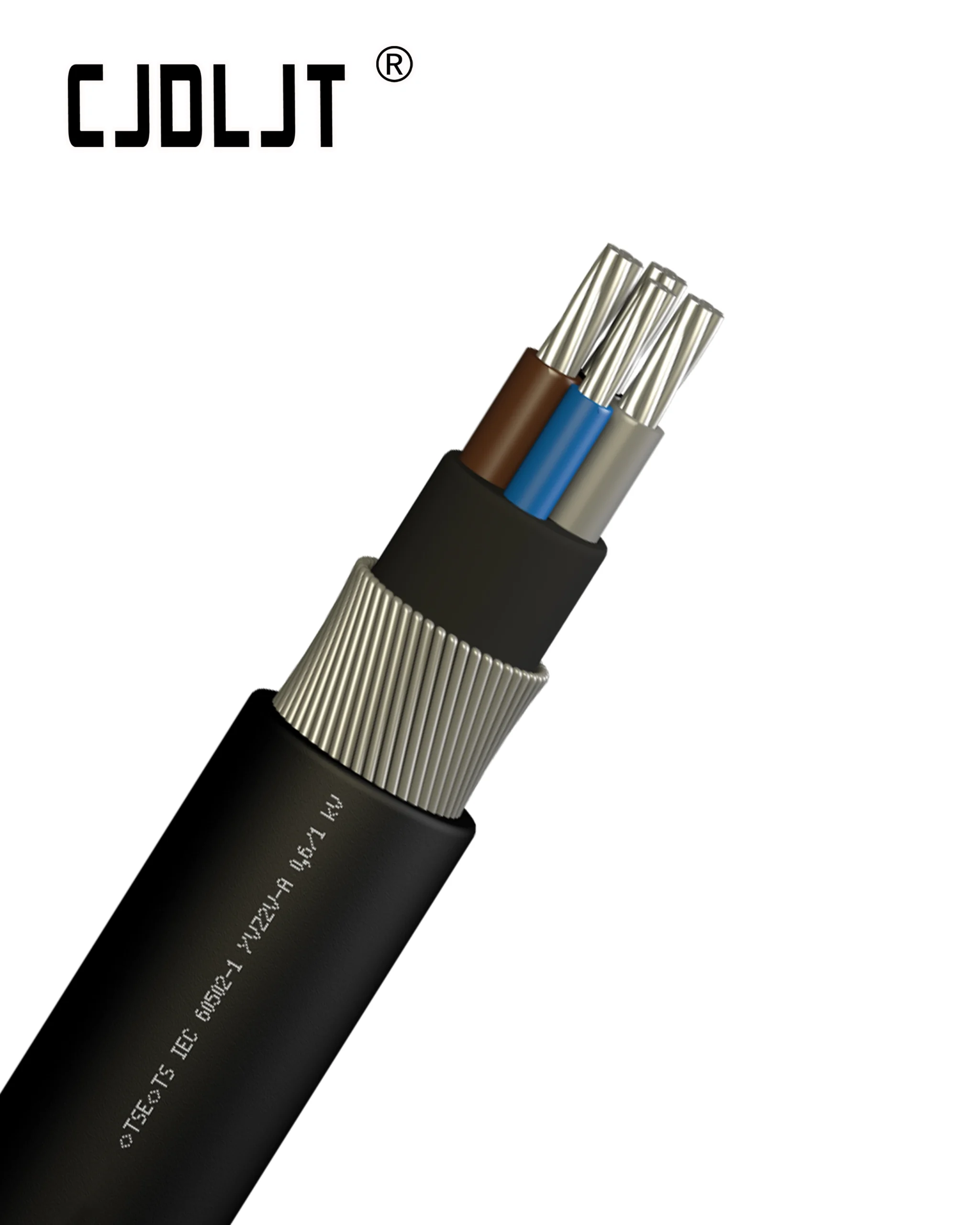
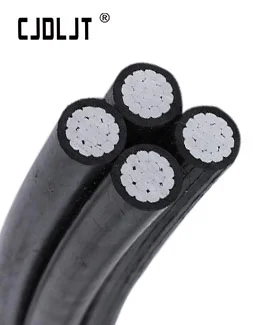
ABC Aerial Bundled Cables: Integrates phase conductors, neutral conductors and optional messenger wire into one compact bundle. Each live conductor is wrapped with UV‑resistant XLPE or HDPE insulation. The whole assembly hangs as a single unit without bulky cross‑arms. The messenger strand carries mechanical tension for the complete cable bundle.
2. Core performance comparison for distribution scenarios
| Evaluation Item | ACSR Bare Conductors | ABC Aerial Bundled Cables |
|---|---|---|
| Safety performance | Risk of short‑circuit caused by tree branches, wildlife and wind‑induced conductor clashing; exposed live parts create electrocution hazards | Insulation prevents most contact‑triggered faults; greatly reduces shock and wildfire risks |
| Right‑of‑way requirement | Large phase clearance required; wide line corridor and heavy‑duty cross‑arms | Narrow corridor; tolerates proximity to buildings and vegetation; cross‑arms may be omitted |
| Anti‑power‑theft capacity | Easy for illegal tapping; high non‑technical energy loss | Insulated structure makes simple hook‑tap theft very difficult |
| Mechanical span capability | Excellent tensile strength; supports long spans over valleys, rivers and mountain zones | Insulation adds weight and limits maximum span length |
| Thermal dissipation & ampacity | Open‑air cooling brings good heat dissipation | Bundled layout restricts heat dissipation; ampacity derating is required in design |
| Initial material cost | Low per‑kilometer material price | Higher upfront material and accessory cost |
| Operation & maintenance cost | High: regular tree trimming and frequent fault repairs | Low: less vegetation pruning and fewer outage incidents |
| Typical voltage scope | LV‑EHV, covers full transmission and distribution range | Mainly low‑voltage 0.6/1kV distribution; limited for medium voltage up to around 33kV |
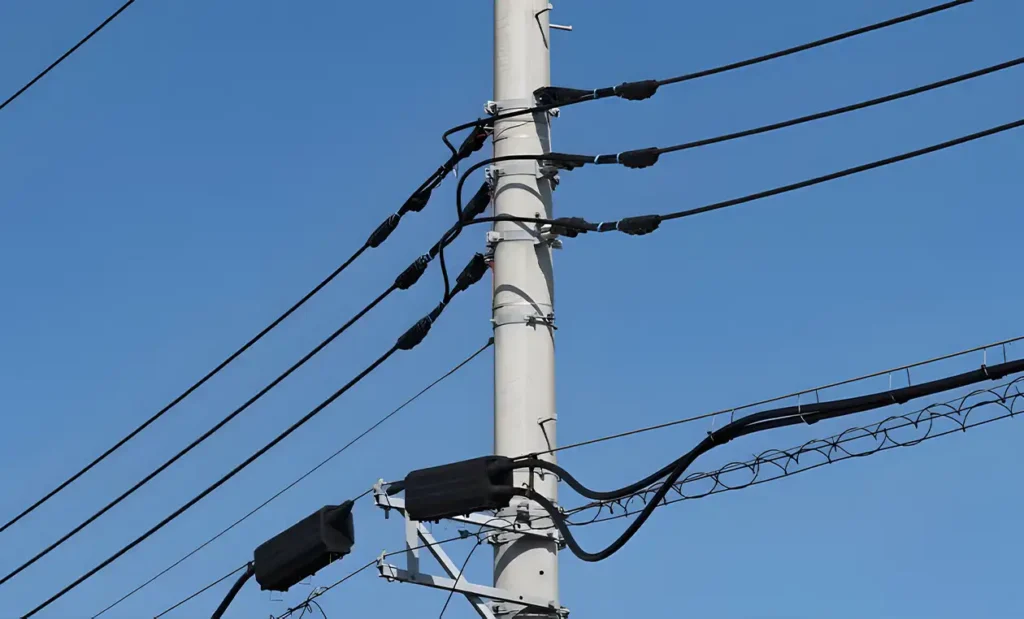
3. Typical application scenarios for ACSR conductors
Thanks to high tensile strength and low material cost, ACSR remains irreplaceable in many overhead distribution projects.
- Sparse rural and remote areas with sufficient land for line clearance;
- Long‑span crossings such as rivers and valleys in mountainous terrain, where long pole‑to‑pole distances are needed;
- Medium‑to‑high‑voltage sub‑transmission overhead routes;
- Projects with tight short‑term budgets and available resources for regular vegetation maintenance.
Note: ACSR requires continuous tree trimming. Fault frequency and safety risks will rise sharply in wooded or populated areas without proper maintenance.
4. Typical application scenarios for ABC aerial bundled cables
ABC has gained wide adoption in modern low‑voltage distribution upgrades to solve pain points of bare ACSR.
- Dense urban and suburban residential zones with narrow streets and limited corridor space;
- Theft‑prone communities and rural electrification projects to cut non‑technical losses;
- Forest‑rich and bushfire‑risk zones, reducing spark risks from branch contact;
- Hilly settlements where large‑scale tree trimming proves uneconomical.
Key limitations of ABC: it is not fit for long‑span installation. XLPE insulation will age under continuous over‑temperature, so load derating calculation is mandatory. Special installation hardware must be used; improper construction will damage insulation and leave hidden defects.
5. Practical selection principles for overhead distribution projects
Neither ACSR nor ABC is universally superior. Engineers should make decisions based on site conditions, safety priorities, budget and total‑lifecycle‑cost rather than only initial purchase price.
Choose ACSR when:
- Long mechanical spans for river or valley crossings are required
- Sufficient line corridor and vegetation‑trimming budget are available
- Operating voltage exceeds ABC’s practical upper limit
- Project focuses on minimizing upfront material expenditure
Choose ABC when:
- Operating voltage falls within low‑voltage distribution range
- Sites are densely‑populated, narrow‑corridor or heavily‑wooded
- Improving public safety and anti‑theft performance is a high priority
- Long‑term maintenance savings offset higher initial investment